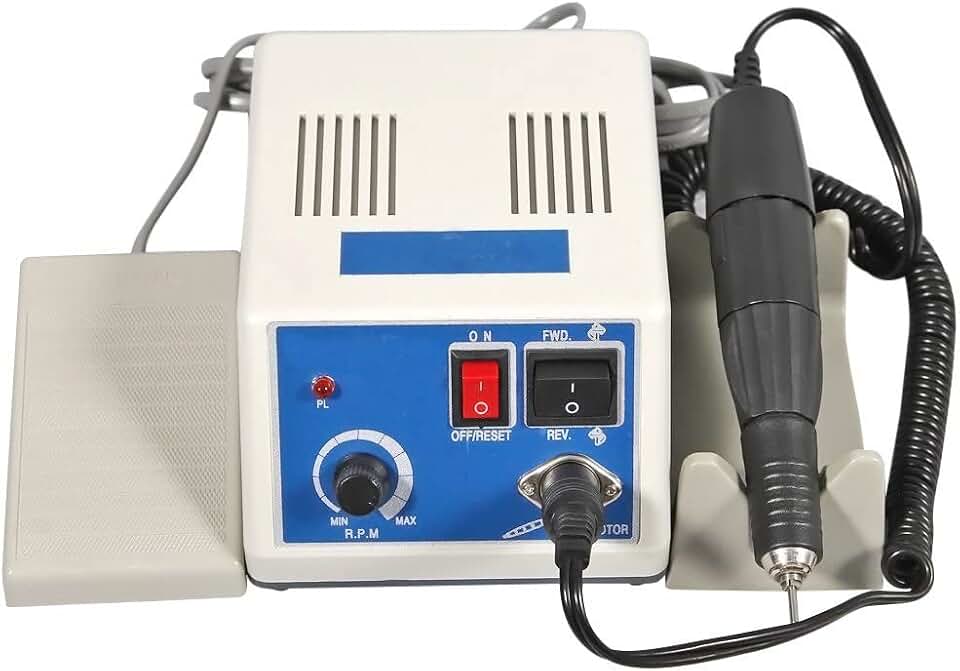
The world of precision craftsmanship, whether in jewelry making, dental labs, or intricate hobby work, demands tools that offer both power and delicate control. Introducing the Marathon Micromotor Kit, a versatile and essential piece of equipment designed to meet these exact needs. This particular model, often referred to as the Marathon -III, is engineered to provide a reliable and efficient solution for a wide array of fine motor tasks. Our in-depth review will explore its capabilities, performance, and overall value, helping you decide if this micromotor hand kit is the right investment for your workshop.
Quick Summary: Marathon Micromotor Kit
Rating: 3.6/5 stars (Based on 276 reviews)
Price: $59.88 USD
Key Pros:
- Precision Control: Offers excellent variable speed control for intricate tasks.
- Versatile Application: Suitable for jewelry, dental, lab, and hobby use.
- Compact & Portable: Small footprint ideal for various workspaces.
Key Cons:
- Durability Concerns: Some users report issues with longevity over time.
- Limited High-Torque: May not be ideal for heavy-duty material removal.
Table of Contents
Marathon Micromotor Kit Overview
The Marathon Micromotor Kit represents a fundamental piece of equipment for professionals and serious hobbyists engaged in tasks requiring high-speed rotation and precise control. This particular model, often identified as the Marathon-III, is designed for a broad spectrum of applications, ranging from intricate jewelry polishing and stone setting to detailed dental laboratory work and even delicate carving. Its core function is to provide a smooth, consistent rotary motion to various burs, drills, and polishing attachments.
At its heart, a micromotor system consists of a control box, a foot pedal for variable speed operation, and a handpiece. The control box houses the power supply and circuitry that regulate the motor’s speed and direction. The handpiece, which is lightweight and ergonomically designed, holds the interchangeable tools, allowing for easy manipulation during fine work.
Users often seek out a Marathon Micromotor Kit for its ability to deliver high RPMs without significant vibration, which is crucial for achieving clean and precise results. Unlike traditional flex-shaft motors, micromotors typically offer a more compact and portable setup, making them suitable for smaller workshops or for users who need to move their equipment frequently. The Marathon-III is known for its relatively straightforward operation, making it accessible to those new to micromotor technology while still offering the performance demanded by experienced users.
The system’s adaptability is a significant advantage. Whether you are grinding down excess metal, shaping acrylics, or polishing intricate surfaces, the variable speed control allows you to match the rotational speed to the specific material and task at hand. This adaptability minimizes the risk of overheating delicate materials and ensures optimal material removal efficiency. The design prioritizes user comfort, with a handpiece that reduces fatigue during extended periods of use.
Understanding the context of its use helps appreciate the value of this Marathon Micromotor Kit. In dental labs, it’s indispensable for fabricating prosthetics, crowns, and bridges. Jewelers rely on it for intricate detailing, engraving, and finishing precious metals. Even in general craft and hobby applications, where precision is paramount, this tool provides a level of control that manual methods cannot replicate. Its robust construction, despite some reported longevity issues, suggests it’s built for regular use in demanding environments.
Compared to larger, more industrial rotary tools, micromotors like this unit excel in fine detail work where bulkier equipment would be cumbersome. The handpiece’s slim profile allows for access to tight spaces and intricate angles, enabling a level of artistry and precision that is often required in high-stakes craftsmanship. This balance of power, precision, and ergonomic design makes the Marathon-III a compelling choice for a wide range of users seeking a reliable rotary tool solution.
Marathon Micromotor Kit Key Features & Specs
The effectiveness of any precision tool lies in its specific features and technical specifications. The Marathon Micromotor Kit, specifically the Marathon-III model, boasts several characteristics that contribute to its functionality and appeal in various professional and hobby settings. Understanding these elements is crucial for evaluating its suitability for your particular needs. We’ll delve into the core components and their individual contributions to the overall performance of this micromotor hand kit.
Control Unit Specifications
- Input Voltage: Typically 110V/220V (often switchable or auto-sensing), making it adaptable to different regions.
- Output Power: Provides consistent power to the handpiece, ensuring stable operation even under load.
- Speed Control: Features a variable speed dial on the control box, allowing for precise RPM adjustments.
- Direction Control: Includes a forward and reverse switch, essential for left-handed users or specific grinding/polishing techniques.
- Foot Pedal Compatibility: Comes with a foot pedal for hands-free speed control, enhancing operational efficiency and safety.
Handpiece Details
- Motor Type: Often a brushed DC motor, known for its consistent torque at lower speeds.
- Max RPM: Capable of reaching up to 35,000 RPM (Revolutions Per Minute), providing high-speed capabilities for rapid material removal or fine polishing.
- Collet Size: Standard 2.35mm (3/32 inch) collet, compatible with a vast range of commonly available burs, drills, and polishing accessories.
- Weight & Ergonomics: Designed to be lightweight and well-balanced, minimizing hand fatigue during prolonged use. The ergonomic grip ensures comfortable and secure handling.
- Chuck Type: Twist-type chuck mechanism for quick and easy bur changes, improving workflow efficiency.
Additional Features
- Overload Protection: Many Marathon units include a safety feature that cuts power if the motor is overloaded, protecting both the tool and the workpiece.
- Quiet Operation: Micromotors are generally much quieter than air-driven handpieces, contributing to a more pleasant working environment.
- Compact Footprint: Both the control unit and handpiece are designed to be space-efficient, fitting easily onto crowded workbenches.
- Durability of Components: While some general durability concerns exist, the core components are typically made from robust materials intended for continuous professional use.
The combination of these features in the Marathon Micromotor Kit allows for remarkable precision. The high RPMs are perfect for fine grinding and finishing, while the variable speed control allows delicate work to be performed at lower, more manageable speeds. The foot pedal is a game-changer for many users, offering immediate and intuitive speed adjustments without interrupting the delicate work being performed by hand. This hands-free operation significantly improves both precision and safety.
The standard collet size is a major advantage, as it means users are not limited to proprietary accessories. This opens up a world of possibilities for different tasks and materials, from tungsten carbide burs for metal to diamond-coated points for ceramics. The twist-type chuck is another small but significant detail that enhances usability, allowing for tool changes in seconds without the need for additional wrenches or keys, which can be cumbersome in a busy workshop. This efficient design ensures that the user can maintain focus on the task at hand, rather than wrestling with tool changes.
Furthermore, the forward and reverse function is not just a convenience but a critical feature for certain applications. For instance, in jewelry work, reversing the direction can be useful for polishing specific angles or for dislodging trapped debris. In dental applications, it might be used for specific grinding or shaping techniques. This versatility adds another layer of utility to the Marathon-III micromotor system, making it a truly comprehensive tool for precision work. For more technical specifications and diagrams, you might consult resources like Wikipedia’s Rotary Tool page for general information on such devices.
Pros & Cons
Every tool, no matter how specialized, comes with its own set of advantages and disadvantages. The Marathon Micromotor Kit is no exception. While it offers impressive capabilities for precision work, it’s important to weigh its strengths against its potential drawbacks to make an informed purchasing decision. This section will elaborate on the key pros and cons, providing a balanced perspective on what to expect from this micromotor hand kit.
Pros of the Marathon Micromotor Kit
- Exceptional Precision and Control: The standout feature of this micromotor is its ability to deliver incredibly fine control over rotational speed. The variable speed dial and foot pedal allow users to precisely match the RPM to the material and task, leading to superior finish and accuracy. This is critical for delicate operations where even slight deviations can ruin a workpiece.
- High Speed for Efficiency: With speeds reaching up to 35,000 RPM, the Marathon-III can quickly and efficiently remove material or achieve a high polish. This high-speed capability, combined with appropriate burs, significantly reduces working time on many tasks, boosting productivity for professionals.
- Versatile Applications: As highlighted, the kit’s adaptability across jewelry, dental, lab, and hobby fields makes it a valuable asset. It can handle a wide range of materials, including various metals, acrylics, ceramics, woods, and plastics, making it a multi-purpose tool for diverse workshops.
- Ergonomic and Lightweight Handpiece: The handpiece is designed for comfort, weighing very little and fitting naturally in the hand. This ergonomic design is crucial for minimizing operator fatigue during long working sessions, allowing for more consistent and accurate work over extended periods.
- Quiet Operation: Compared to pneumatic tools or even some older flex-shaft motors, the Marathon Micromotor Kit operates with significantly less noise. This creates a more pleasant and less distracting working environment, which is a considerable benefit for both the operator and others in the vicinity.
- Compact and Portable Design: The entire system, including the control box and handpiece, has a small footprint. This makes it ideal for smaller workshops, home studios, or for professionals who need to transport their equipment between different locations. Its portability does not compromise its power or precision.
- Easy Tool Changes: The twist-type chuck mechanism allows for quick and effortless changing of burs and accessories. This convenience saves valuable time and improves workflow, as users can switch between different tools in seconds without fumbling with collet wrenches.
Cons of the Marathon Micromotor Kit
- Durability and Longevity Concerns: A recurring theme in user feedback, as reflected in the average rating, pertains to the long-term durability of the unit. Some users report that components, particularly within the handpiece or control unit, can wear out or fail after a period of regular use, leading to premature replacement needs.
- Limited High-Torque for Heavy Duty: While excellent for precision work, the micromotor may struggle with very heavy material removal or tasks requiring significant torque at lower speeds. For robust grinding or cutting through very dense materials, a more powerful, higher-torque tool might be necessary. It excels in finesse, not brute force.
- Maintenance Requirements: Like all precision tools, micromotors require some level of maintenance, particularly handpiece lubrication. Failure to perform routine maintenance can accelerate wear and lead to performance degradation or failure. This might be a drawback for users who prefer low-maintenance tools.
- Initial Learning Curve for Foot Pedal: While the foot pedal offers great control, new users might experience a slight learning curve in mastering its variable speed function. It requires coordination between hand and foot, which can take some practice to achieve seamless operation.
- Potential for Generic Parts/Support: Given that