
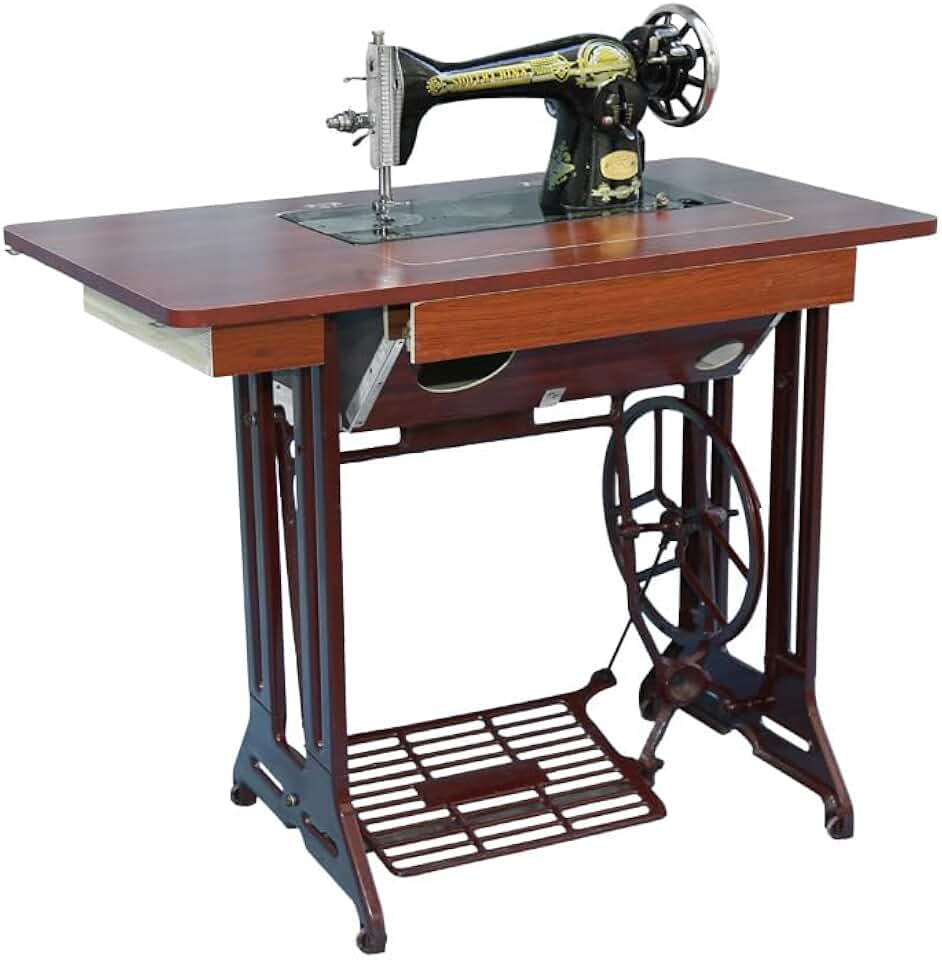
The Vintage Pedal Sewing Machine presents itself as a charming relic from a bygone era, promising a touch of historical elegance and manual craftsmanship. This retro household desktop sewing machine, crafted from cast iron with a wooden table, aims to appeal to collectors, decorators, and those seeking a unique, non-electric item. However, its allure is quickly overshadowed by significant practical limitations and a challenging user experience, making it a potentially disappointing acquisition for many.
Quick Summary: Vintage Pedal Sewing Machine
An antique-style manual sewing machine with a distinct aesthetic, but significant functional drawbacks.
- Rating: 1.4/5 (Based on 3 reviews)
- Price: $580.00 USD
Key Pros:
- Authentic vintage aesthetic and design, ideal for decor.
- Manual, foot-pedal operation requires no electricity.
- Robust cast iron construction suggests durability.
Key Cons:
- Extremely low user rating indicates significant functional issues.
- High price point for a product with questionable usability.
- Lacks modern features and convenience, steep learning curve.
Table of Contents
Vintage Pedal Sewing Machine Overview
The Vintage Pedal Sewing Machine aims to transport users back to a simpler time, offering a manual, non-electric sewing experience. This particular model is marketed as an antique-style household desktop machine, featuring a robust cast-iron construction and a classic wooden table. Its primary appeal lies in its aesthetic as a decorative piece and its historical nod to traditional craftsmanship, rather than its practical sewing capabilities.
Many consumers are drawn to vintage items for their unique charm and the perceived quality of older manufacturing techniques. This sewing machine capitalizes on that sentiment, presenting itself as a collectible item that can enhance home decor. The absence of electricity is a key characteristic, requiring the user to operate it entirely via a foot pedal, a method common in early sewing machines.
However, the reality of owning and operating such a machine, especially one that is a replica or homage rather than a true antique, can be quite different from the romanticized ideal. Modern users accustomed to electric machines with numerous features and conveniences may find the manual operation cumbersome and inefficient. The learning curve for mastering a foot-pedal machine can be steep, requiring considerable practice and patience.
Furthermore, the product’s low rating of 1.4 out of 5 stars, based on limited reviews, raises significant concerns about its actual performance and quality. While its appearance might be appealing, fundamental issues with its functionality, construction, or ease of use appear to plague this specific model. For an item priced at $580.00, such a low rating signals a substantial disconnect between expectation and reality.
True antique sewing machines, often painstakingly restored, can be reliable workhorses. However, this product is described as a "manual retro household desktop sewing machine," implying it might be a reproduction rather than a genuine antique. This distinction is crucial, as reproductions sometimes lack the engineering precision and material quality of their historical counterparts, leading to functional problems.
For those considering this machine, it’s essential to understand its primary role. Is it a functional sewing tool or a decorative accent? Based on the available information, its strength leans heavily towards the latter. If the intention is to actually sew, the manual operation, coupled with reported issues, suggests it may fall short of expectations, particularly for anyone used to modern machines. The charm of its design is undeniable, but practical utility seems to be a significant compromise.
The cast iron material and wooden table certainly contribute to its authentic vintage look and feel. This construction choice provides a sense of solidity and durability, characteristics often associated with older manufacturing. However, even robust materials do not guarantee smooth operation if the internal mechanisms are poorly designed or assembled. The elegance of its exterior might mask underlying mechanical deficiencies that affect its ability to perform basic sewing tasks effectively.
Understanding the historical context of foot pedal sewing machines can help set realistic expectations. Early machines like those from Singer or Wheeler & Wilson required significant skill to operate efficiently. This modern "retro" version attempts to replicate that experience, but without the benefit of decades of refinement and robust internal components that made historical machines reliable. For a deeper dive into the history of sewing machines, consider visiting Wikipedia’s page on sewing machines.
Ultimately, the Vintage Pedal Sewing Machine presents a paradox: an attractive, historically inspired piece that struggles to deliver on the fundamental function implied by its name. Its high price point further exacerbates the disappointment when its functional shortcomings become apparent. Potential buyers must weigh the aesthetic appeal against the practical performance and the significant investment required.
Vintage Pedal Sewing Machine Key Features & Specs
The Vintage Pedal Sewing Machine boasts several distinctive features that contribute to its antique appeal, yet these same characteristics also define its limitations in a modern context. Understanding these elements is crucial for anyone considering this unique piece for either decor or limited functional use. Its design prioritizes historical aesthetics over contemporary convenience.
One of the most prominent features is its manual, foot-pedal operation. This means the machine requires no electricity, relying entirely on the user’s foot power to drive the needle and feed the fabric. While this offers a nostalgic and eco-friendly aspect, it also necessitates a significant amount of practice to achieve smooth, consistent stitching. Unlike electric machines, speed control is entirely dependent on the user’s rhythm and coordination.
The construction material is primarily cast iron, which gives the machine a substantial weight and a very sturdy, durable feel. This heavy-duty material is characteristic of authentic antique sewing machines and contributes significantly to the vintage aesthetic. The cast iron frame is often intricately detailed, adding to its decorative value, but also making the machine less portable.
Complementing the cast iron base is a wooden table or desktop surface. This integration creates a complete furniture piece, offering a dedicated workspace for the sewing mechanism. The wooden component enhances the retro look, providing a warm, classic contrast to the dark metal. The quality of the wood and its finish are important for both appearance and longevity.
As a "retro household desktop sewing machine," it is designed to be a standalone unit that sits on a larger surface. It’s not a portable handheld device nor is it typically integrated into a cabinet like some larger treadle machines. This desktop format makes it suitable for display in a craft room, living area, or study, where its vintage charm can be appreciated.
The machine is marketed as a "collectible," which highlights its value as an item of historical interest or decorative art rather than a primary tool for garment construction. This designation suggests that its appeal is often more about its story and appearance than its raw sewing power or versatility. Collectors might appreciate its faithfulness to older designs.
However, the lack of specific detailed specifications beyond its general description is a notable drawback. Information regarding the type of stitch it produces (e.g., lockstitch, chain stitch), the maximum stitch length, needle compatibility, or bobbin type is generally absent from the product listing. This ambiguity makes it difficult for potential users to assess its practical sewing capabilities accurately.
Modern sewing machines come with features like multiple stitch patterns, automatic needle threaders, adjustable presser foot pressure, and free arms for cuff sewing. The Vintage Pedal Sewing Machine, by its very nature, lacks all these contemporary conveniences. Its operation is basic, focused on performing a single, straightforward stitch, likely a simple straight stitch, in a manual fashion.
Maintenance is another feature, or lack thereof, to consider. While cast iron is durable, the internal mechanisms of any sewing machine require oiling and occasional adjustment. Without clear instructions or readily available parts, maintaining this "retro" machine could be challenging. Users might need to consult resources for maintaining antique sewing machines to keep it in working order.
Despite its robust appearance, the internal workings of a replica vintage machine might not match the precision engineering of genuine antiques. This can lead to issues such as skipped stitches, thread breakage, or inconsistent tension, which are common complaints with lower-quality machines. The overall user experience is heavily influenced by these internal mechanical tolerances.
In summary, the key features of the Vintage Pedal Sewing Machine are its manual operation, cast iron construction, integrated wooden table, and its primary role as a decorative collectible. While these attributes contribute to its unique vintage aesthetic, they also underscore its functional limitations and the significant learning curve required for practical use. Buyers seeking a high-performance sewing tool should look elsewhere.
Pros & Cons
Evaluating the Vintage Pedal Sewing Machine requires a balanced look at its strengths and weaknesses. While its aesthetic appeal is a clear advantage, its functional performance and value proposition present significant challenges. A thorough understanding of these points is essential before making a purchasing decision.
Pros:
- Authentic Vintage Aesthetic: The machine’s design is its strongest suit. With its cast iron body and classic wooden table, it exudes a genuine antique charm that can significantly enhance home decor. It serves as a conversation piece and a beautiful display item, perfect for those who appreciate historical design and craftsmanship.
- Manual, No Electricity Required: For individuals seeking an off-grid solution or a machine free from electrical dependence, this is a distinct advantage. It offers a truly traditional sewing experience, relying solely on human power. This aspect can appeal to preppers, historical reenactors, or those who simply enjoy the mechanical nature of older technologies.
- Robust Cast Iron Construction: The use of cast iron ensures a very sturdy and durable build. This material choice provides significant weight, which helps stabilize the machine during operation, reducing vibrations. It also gives the machine a long-lasting quality, reminiscent of tools built to endure generations.
- Unique Collectible Item: Beyond its potential for sewing, the machine holds value as a collectible. Its retro design and manual operation make it a distinctive addition to any collection of vintage tools or home decor. For enthusiasts of antique machinery, it can be a fascinating piece to own and display.
- Educational Value: Operating a manual pedal machine can offer an insightful educational experience. It teaches users about the fundamental mechanics of sewing without the complexities of modern electronics. This can be particularly valuable for teaching younger generations about historical technology and basic engineering principles.
Cons:
- Extremely Low User Rating (1.4/5): This is arguably the most significant drawback. A rating this low indicates widespread dissatisfaction among actual purchasers. It strongly suggests that the machine fails to meet basic expectations for functionality, quality, or ease of use, making it a high-risk purchase despite its appealing looks.
- High Price Point for Questionable Usability: Priced at $580.00, this machine commands a premium. For this price, consumers typically expect a highly functional and reliable product. Given the low rating and inherent limitations of a manual machine, the value proposition is severely undermined, making it seem overpriced for its practical utility.
- Lack of Modern Features and Convenience: Users accustomed to electric sewing machines will find this model significantly lacking. There are no multiple stitch options, no automatic threaders, no reverse stitching, and no speed control beyond manual foot power. This makes it unsuitable for complex projects or efficient, high-volume sewing.
- Steep Learning Curve and Physical Effort: Mastering the foot pedal requires considerable coordination and physical effort. Maintaining a consistent speed and stitch quality can be challenging, especially for beginners. This can lead to frustration and fatigue, deterring users from regular operation. It’s not a "plug and play" device.
- Limited Practical Sewing Applications: Due to its manual nature and probable basic stitch capabilities, the machine is best suited for very simple, straightforward sewing tasks, or as a decorative item. It is not designed for heavy-duty fabrics, intricate designs, or professional-grade work. Its utility as a primary sewing tool is highly restricted.
- Potential for Poor Mechanical Performance: The low rating hints at possible issues with the internal mechanisms, such as inconsistent tension, skipped stitches, or frequent thread jams. While the exterior is robust, the precision of the internal components is critical for a sewing machine, and this model may fall short in that regard.
- Uncertainty Regarding Parts and Service: As a "retro" or replica item, obtaining replacement parts or finding specialized service for repairs might be difficult. Unlike well-known antique brands with established communities, support for this specific model could be scarce, adding to potential long-term ownership costs and frustrations.
In conclusion, the Vintage Pedal Sewing Machine offers undeniable aesthetic appeal and a unique, manual experience. However, its significant functional drawbacks, reflected in its low user rating and high price, make it a challenging recommendation for anyone primarily seeking a reliable sewing tool. Its value lies almost exclusively in its decorative and collectible aspects, with practical utility being a distant secondary consideration.
Who Should Buy the Vintage Pedal Sewing Machine?
The Vintage Pedal Sewing Machine caters to a very specific niche, and it is crucial for potential buyers to identify if they fall within this group. Given its significant functional limitations and high price point, this machine is certainly not for everyone. Its target audience prioritizes aesthetics, historical appreciation, and a particular type of interaction over modern sewing efficiency.
Firstly, home decorators and antique enthusiasts are the primary audience for this machine. If your goal is to enhance a rustic, vintage, or industrial-themed interior, this machine serves as an excellent decorative prop. Its cast iron and wooden construction, coupled with its historical design, make it a striking focal point in a living room, study, or craft space. It’s an item to be admired for its appearance and the era it represents.
Secondly, collectors of vintage tools and machinery might find this piece appealing. For those who enjoy curating collections of historical artifacts, even a modern reproduction that faithfully captures the essence of an antique sewing machine can be a valuable addition. The machine’s design and manual operation offer a tangible connection to the past, making it an interesting display item within a broader collection.
Thirdly, individuals seeking a novelty item or a unique gift for someone with a very specific interest in manual crafts or antique aesthetics could consider it. It stands out from conventional gifts and offers a talking point. However, the recipient should be aware of its functional limitations to avoid disappointment.
Fourthly, educators or hobbyists interested in the mechanics of early sewing machines might find value in owning one for demonstration or learning purposes. Operating a foot pedal machine provides hands-on insight into the principles of mechanical advantage and coordination required before the advent of electric motors. It can be a practical teaching aid for understanding historical technology.
Finally, individuals with a strong desire for an off-grid or non-electric sewing solution, and who are also prepared for the challenges of manual operation, might consider it. This could include preppers, individuals living in remote areas without reliable electricity, or those committed to a minimalist, self-sufficient lifestyle. However, even within this group, the machine’s reported functional issues would need careful consideration.
It is equally important to identify who should NOT buy this machine. This includes anyone looking for a primary, functional sewing machine for regular use. If you intend to sew garments, home decor items, or undertake any significant sewing projects, this machine will likely prove frustrating and inefficient. Its lack of features, speed, and potential for mechanical issues make it unsuitable for practical, day-to-day sewing.
Beginners in sewing should also steer clear. The steep learning curve of a manual pedal machine, combined with potential operational difficulties, could quickly lead to discouragement and a negative first experience with sewing. Modern electric machines are far more forgiving and user-friendly for those just starting out.
People on a tight budget for a sewing machine will find the $580.00 price tag disproportionately high for its functional output. There are numerous highly capable, entry-level electric sewing machines available for significantly less money that offer far greater utility and ease of use. This machine represents a luxury purchase primarily for its aesthetic value.
Ultimately, the Vintage Pedal Sewing Machine is a specialist item. Its value is derived from its appearance and the unique, manual experience it offers, rather than its performance as a sewing tool. Buyers must prioritize its decorative and historical qualities and be fully prepared for a potentially challenging and limited functional experience. It’s a piece of art or a collectible, not a workhorse.
For those interested in understanding the broader context of antique sewing machines and their functional aspects, exploring dedicated antique sewing machine forums or collector websites can provide valuable insights. These resources often offer advice on restoration, operation, and the true capabilities of historical models, helping to differentiate them from modern reproductions. One such resource could be ISMACS (International Sewing Machine Collectors’ Society), which provides a wealth of information for collectors and enthusiasts.
In essence, if you are seeking a stunning piece of decor that occasionally might stitch a very simple seam and are willing to invest time and patience, this machine could be for you. If, however, you need a reliable, efficient, and user-friendly tool for actual sewing projects, it’s advisable to explore modern alternatives that are specifically designed for practical utility.
FAQ about Vintage Pedal Sewing Machine
Understanding the intricacies of a product like the Vintage Pedal Sewing Machine often involves addressing common questions. These FAQs aim to clarify its functionality, suitability, and overall value, helping potential buyers make an informed decision about this unique item.
Q1: Is the Vintage Pedal Sewing Machine a genuine antique or a reproduction?
A1: The product description refers to it as a "manual retro household desktop sewing machine" and "antique foot pedal sewing machine." While it captures an antique style, the phrasing "retro" and the general market for such items suggest it is likely a modern reproduction designed to look vintage. Genuine antiques typically come with specific historical branding and provenance.
Q2: Can I use this machine for everyday sewing projects like making clothes or quilts?
A2: It is highly unrecommended for everyday sewing projects or complex tasks like making clothes or quilts. The Vintage Pedal Sewing Machine lacks the speed, features, and reliability of modern electric machines. Its manual operation is slow, and its basic functionality means it’s better suited for very simple, occasional mending or purely decorative purposes.
Q3: Does the Vintage Pedal Sewing Machine require electricity?
A3: No, this machine explicitly states "No Electricity Required." It operates entirely using a foot pedal mechanism, making it a completely manual device. This is one of its distinguishing features, appealing to those seeking an off-grid or traditional sewing experience.
Q4: What kind of fabric can this machine sew?
A4: Due to its manual nature and potentially limited mechanical precision, the machine is likely best suited for light to medium-weight fabrics such as cotton, linen, or thin denim. Heavy-duty materials like thick canvas, multiple layers of denim, or leather would likely be very challenging to sew, potentially causing strain on the mechanism or producing poor stitch quality.
Q5: Is it difficult to learn how to use a foot pedal sewing machine?
A5: Yes, learning to use a foot pedal sewing machine can be quite difficult, especially for those accustomed to electric models. It requires significant coordination between operating the foot pedal for speed and guiding the fabric simultaneously. Achieving a consistent stitch speed and even tension takes considerable practice and patience.
Q6: Is this machine suitable for a beginner sewer?
A6: No, the Vintage Pedal Sewing Machine is generally not suitable for beginner sewers. The steep learning curve, manual effort, and potential for frustrating operational issues could easily discourage a novice. Beginners are better served by modern electric machines that offer ease of use, automatic features, and consistent performance.
Q7: Can I attach modern sewing machine accessories or feet to this vintage-style machine?
A7: It is highly unlikely that modern sewing machine accessories or presser feet would be compatible with this vintage-style machine. Older machines, and reproductions of them, often have different attachment mechanisms and shank types than contemporary models. You would need to verify compatibility, which is rarely straightforward for such niche products.
Q8: What kind of maintenance does the Vintage Pedal Sewing Machine require?
A8: Like any mechanical device, it would require regular cleaning and oiling of its moving parts to ensure smooth operation and prevent rust, especially given its cast iron components. Specific maintenance instructions might be limited, so users may need to rely on general knowledge for antique sewing machine care, including using appropriate sewing machine oil and keeping it dust-free. Proper tension adjustment is also critical for consistent stitching.
Q9: Given the low rating, why would anyone buy this machine?
A9: The primary appeal of the Vintage Pedal Sewing Machine, despite its low functional rating, lies in its aesthetic and collectible value. It is purchased more as a decorative item, a conversation piece, or a historical display than as a functional sewing tool. Buyers are often looking for its unique visual charm and the romantic idea of manual craftsmanship, rather than high-performance utility.
Q10: Are parts readily available if something breaks?
A10: It is generally difficult to find readily available replacement parts for generic "retro" or replica vintage machines. Unlike genuine antique machines from well-known brands where communities and specialized suppliers exist, this specific model may not have a dedicated parts supply. This could make repairs challenging and potentially costly, or even impossible.
Final Verdict
The Vintage Pedal Sewing Machine is a product that strongly emphasizes style over substance, offering a captivating glimpse into the past but faltering significantly in practical application. Its robust cast iron construction and classic wooden table deliver an undeniable aesthetic charm, making it a visually appealing decorative piece for any home or collection. For those whose primary interest is decor, historical appreciation, or a unique conversation starter, its appearance alone might justify the purchase.
However, the extremely low user rating of 1.4 out of 5 stars, coupled with its substantial price tag of $580.00, paints a stark picture of its functional shortcomings. As a sewing machine, it appears to be a disappointing choice for anyone expecting even basic utility. The manual foot-pedal operation, while authentic to its vintage inspiration, demands considerable skill, patience, and physical effort, making it inefficient and frustrating for modern sewing tasks.
Its lack of modern features, limited fabric compatibility, and the potential for mechanical inconsistencies further solidify its position as a niche item. It is not suitable for beginners, regular sewers, or those seeking a cost-effective and reliable tool for crafting. The difficulty in finding replacement parts or technical support also adds to the long-term risk of ownership, potentially turning a charming display piece into a costly, non-functional ornament.
In conclusion, if you are a collector of vintage aesthetics, a decorator seeking a unique focal point, or someone with a very specific, limited need for a manual, non-electric sewing device and are prepared for its significant operational challenges, the Vintage Pedal Sewing Machine might hold a sliver of appeal. For everyone else, particularly those looking for a functional and efficient sewing machine, this product is likely to be a significant disappointment and an ill-advised investment. Its beauty is undeniable, but its utility is severely compromised.