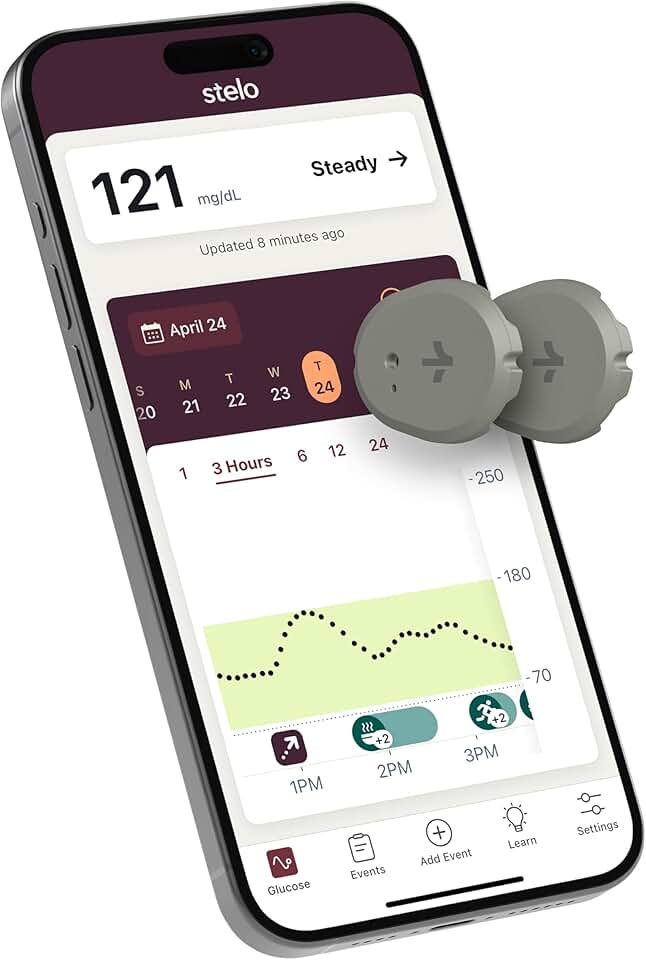
The Stelo Glucose Biosensor from Dexcom represents a significant step in personal health monitoring, offering continuous glucose insights without the need for traditional fingerstick methods. This innovative device aims to empower individuals to understand their body’s response to food, exercise, and stress, fostering proactive health management. It promises a convenient way to reveal glucose patterns and make informed lifestyle adjustments.
Quick Summary: Stelo Glucose Biosensor
Rating: 3.0/5.0 (Based on 3357 reviews)
Price: $99.00 USD
Key Pros:
- Non-invasive, continuous glucose monitoring eliminates the need for frequent fingerstick tests.
- Provides insightful data for understanding how diet, exercise, and lifestyle impact blood sugar levels.
- Features a user-friendly mobile app that simplifies data interpretation and pattern analysis.
Key Cons:
- Some users report inconsistencies or inaccuracies in glucose readings compared to lab tests.
- Each sensor has a limited 15-day lifespan, requiring frequent replacements for continuous use.
- The overall cost can be high, especially for individuals without specific medical indications or insurance coverage.
Table of Contents
Stelo Glucose Biosensor Overview
The Stelo Glucose Biosensor is Dexcom’s entry into the burgeoning consumer health and wellness market for continuous glucose monitoring (CGM). Unlike their medical-grade G-series devices primarily for diabetes management, Stelo is positioned for individuals seeking to proactively manage their health. It offers a convenient, wearable solution to track glucose levels around the clock.
This biosensor is designed to provide users with a deeper understanding of their metabolic health. By continuously measuring interstitial fluid glucose, it translates complex biological responses into actionable data. This helps users identify how daily activities, food choices, and stress levels influence their blood sugar.
The system comprises a small, disposable sensor that attaches to the back of the upper arm and a corresponding mobile application. Once applied, the sensor wirelessly transmits glucose data to a compatible smartphone or tablet. The Stelo app then processes this information, presenting it in easy-to-understand graphs and summaries.
Dexcom, a recognized leader in CGM technology, brings its expertise to the Stelo platform. This background suggests a foundation of reliable sensor technology, even if the specific application and target audience differ from their clinical products. The focus here is on wellness and preventive health, rather than strict medical management.
Understanding glucose fluctuations can be a powerful tool for optimizing diet and exercise routines. For many, blood sugar can spike or dip unexpectedly, leading to energy crashes or cravings. The Stelo Biosensor aims to demystify these reactions, allowing users to tailor their habits for better energy, mood, and overall well-being.
The product comes in a 2-pack, with each sensor designed to last up to 15 days. This provides a total of 30 days of monitoring, suitable for short-term insights or for users who want to periodically check their glucose responses. This duration is a key factor differentiating it from longer-term medical CGMs.
Despite its promising concept, the Stelo Glucose Biosensor has garnered mixed reviews, reflected in its average rating. Consumers often weigh the convenience and insights against factors like accuracy, comfort, and overall value proposition. This review will delve into these aspects to provide a comprehensive picture.
The primary appeal of Stelo lies in its ability to offer a window into metabolic health that was previously only accessible through more invasive or medically prescribed means. It democratizes access to continuous glucose data for a broader audience. This allows for a personalized approach to nutrition and fitness, moving beyond generic health advice.
However, it’s crucial to set appropriate expectations for a device like the Stelo Biosensor. While it provides valuable trend data, it is not a diagnostic tool for diabetes nor should it replace medical advice. Its utility is in empowering individuals to make informed lifestyle choices based on their unique physiological responses.
The integration with a smartphone app is central to the Stelo experience. The app not only displays real-time and historical glucose data but also often includes features for logging food intake, exercise, and other relevant lifestyle factors. This holistic approach helps users connect the dots between their actions and glucose responses, fostering behavioral change.
For those new to CGM, the Stelo offers an accessible entry point. It removes the barrier of needing a prescription (in many regions for wellness use) and simplifies the data presentation. This ease of use is a major selling point for individuals curious about their metabolic health without clinical necessity.
The continuous nature of the monitoring means users don’t have to remember to perform manual tests. This passive data collection provides a complete picture of glucose levels throughout the day and night. It captures post-meal spikes, overnight trends, and exercise-induced changes, which intermittent testing often misses.
Ultimately, the Stelo Biosensor aims to be a personal health coach, providing the data needed to optimize one’s metabolic fitness. Its effectiveness largely depends on the user’s commitment to interpreting the data and implementing changes. The 3.0 rating suggests that while the concept is strong, execution or user experience might have areas for improvement.
Stelo Glucose Biosensor Key Features & Specs
The Stelo Glucose Biosensor is packed with features designed to make continuous glucose monitoring accessible and informative for wellness-focused individuals. Understanding these specifications is key to appreciating its capabilities and limitations. Dexcom has leveraged its core CGM technology to create this consumer-friendly device.
Continuous Glucose Monitoring (CGM)
The primary feature is its ability to provide 24/7 glucose tracking. Unlike traditional blood glucose meters that offer a snapshot, Stelo continuously measures glucose levels in the interstitial fluid. This constant stream of data reveals trends and patterns that are impossible to detect with intermittent testing, offering a dynamic view of metabolic responses.
This continuous data allows users to see how glucose levels respond to specific meals, exercise sessions, and stress events in real-time. It provides immediate feedback, which is crucial for learning and adjusting dietary habits. The consistent monitoring helps in identifying peak glucose times and recovery periods.
Wearable Design
The Stelo Biosensor features a small, discreet sensor that adheres to the back of the upper arm. Its low-profile design ensures it’s comfortable to wear and largely unnoticeable under clothing. The application process is generally straightforward, designed for self-application by the user.
The adhesive is designed to withstand daily activities, including showering and light exercise, ensuring continuous data collection. Comfort is a critical factor for any wearable, and Stelo aims to minimize interference with daily life while providing robust data. Users often appreciate the ease of application and the general comfort during the 15-day wear period.
Mobile App Integration (iOS & Android)
Data from the biosensor is wirelessly transmitted to a compatible smartphone or tablet via Bluetooth. The dedicated Stelo app, available for both iOS and Android devices, serves as the central hub for all glucose information. This app is designed for intuitive navigation and clear data visualization.
The app displays current glucose readings, historical trends, and customizable reports. It often includes features for logging meals, exercise, and medication, allowing users to correlate these inputs with their glucose responses. This comprehensive approach helps users gain a holistic understanding of their metabolic health.
Personalized Insights & Pattern Revelation
Beyond just displaying numbers, the Stelo app focuses on providing personalized insights. It helps users identify patterns in their glucose data, such as common triggers for spikes or effective strategies for maintaining stable levels. This analytical capability is a significant differentiator from simple glucose meters.
The app might highlight how certain foods consistently cause a sharp rise in glucose or how a particular exercise routine helps mitigate post-meal spikes. These insights are invaluable for making targeted adjustments to diet and lifestyle. The goal is to move beyond generic health advice to truly personalized wellness strategies.
Sensor Duration: 2-Pack (Up to 15 Days Each)
The product comes with two sensors, each designed to function for up to 15 days. This provides a total of 30 days of continuous monitoring per purchase. This duration is suitable for short-term health exploration or periodic check-ups rather than long-term, uninterrupted use typical for diabetes management.
The 15-day lifespan means users will need to replace the sensor regularly if they desire continuous monitoring beyond a month. This might be a consideration for those seeking longer-term data without interruption. The replacement process is designed to be simple and hygienic.
Data Sharing Capabilities
Some versions of the Stelo app or Dexcom ecosystem allow for data sharing with healthcare providers or trusted individuals. This feature can be beneficial for those who wish to discuss their glucose trends with a nutritionist, trainer, or doctor. Secure data sharing ensures privacy while facilitating collaborative health management.
This capability enhances the utility of the Stelo Biosensor by enabling professional interpretation and guidance. It bridges the gap between personal tracking and expert advice, making the insights more actionable. The ability to export data for further analysis is also a valuable aspect for many users.
Technical Specifications Summary:
- Monitoring Type: Continuous Glucose Monitoring (CGM)
- Sensor Life: Up to 15 days per sensor
- Pack Size: 2 sensors included (30 days total monitoring)
- Connectivity: Bluetooth Low Energy (BLE)
- Compatibility: iOS and Android smartphones and tablets
- Data Transmission: Wireless to Stelo mobile app
- Application Site: Back of the upper arm
- Intended Use: Health and wellness, pattern identification (not for diabetes diagnosis or treatment decisions without professional guidance)
These features combine to create a powerful tool for personal metabolic awareness. The emphasis is on convenience, data accessibility, and actionable insights. While the Stelo Glucose Biosensor offers advanced technology, its real-world performance and user satisfaction, as indicated by the 3.0 rating, suggest that some aspects, particularly accuracy or consistency, may not always meet user expectations.
Pros & Cons
Evaluating the Stelo Glucose Biosensor requires a balanced look at its strengths and weaknesses. While it offers a cutting-edge approach to personal health, certain aspects may impact its overall appeal and effectiveness for different users. The 3.0-star rating points to a mixed user experience, where benefits are often weighed against perceived drawbacks.
Pros:
- Non-Invasive Continuous Monitoring: The most significant advantage is the ability to track glucose levels 24/7 without the need for painful finger pricks. This greatly enhances convenience and encourages consistent monitoring, providing a more complete picture of glucose dynamics throughout the day and night. It eliminates the hassle of carrying test strips and lancets.
- Detailed Data & Pattern Identification: The Stelo app provides rich, continuous data visualized in clear graphs and reports. This allows users to identify specific patterns in their glucose response to meals, exercise, stress, and sleep. Understanding these patterns is crucial for making informed dietary and lifestyle adjustments, moving beyond guesswork to data-driven decisions.
- User-Friendly Mobile Application: Dexcom has designed the companion app to be intuitive and easy to navigate. It presents complex glucose data in an accessible format, often with educational insights and logging features for food and activity. This helps users connect their actions directly to their metabolic responses, fostering a deeper understanding.
- Empowers Proactive Health Management: For individuals focused on wellness, weight management, or optimizing athletic performance, the Stelo Biosensor offers a powerful tool. It allows for proactive adjustments to diet and exercise before issues become significant, supporting a preventive health approach. This can lead to improved energy levels and better overall health outcomes.
- Discreet and Comfortable Wear: The sensor’s small size and placement on the upper arm make it discreet and generally comfortable for the 15-day wear period. Users can go about their daily activities, including showering and light exercise, without significant discomfort or interference. This ease of wear contributes to consistent data collection.
Cons:
- Accuracy Concerns: A recurring theme in user feedback, and likely a major contributor to the 3.0 rating, are reports of accuracy inconsistencies. Some users find that Stelo readings do not align closely with traditional blood glucose meters or laboratory tests, particularly during rapid glucose changes. This can undermine confidence in the data and its actionable insights.
- Limited Sensor Lifespan and Cost: Each sensor lasts only 15 days, meaning a 2-pack provides 30 days of monitoring. For individuals seeking longer-term, continuous insights, this necessitates frequent and costly replacements. Without insurance coverage (which is often not available for wellness CGMs), the ongoing expense can be substantial, making it less accessible for many.
- Potential for Skin Irritation: As with any adhesive medical device, some users may experience skin irritation, redness, or discomfort at the application site. While generally well-tolerated, this is a potential drawback for individuals with sensitive skin or allergies to adhesives. Proper application and removal techniques are important to minimize this risk.
- Not for Medical Diagnosis/Treatment: It’s important to reiterate that Stelo is marketed for wellness and pattern identification, not for diagnosing or directly managing diabetes. Users with diabetes typically require medically approved, higher-accuracy CGMs like Dexcom’s G-series. Misinterpreting Stelo data for medical decisions could be dangerous.
- Learning Curve for Data Interpretation: While the app aims to simplify data, truly understanding glucose patterns and making effective lifestyle changes still requires effort. New users might find the sheer volume of data overwhelming initially and may need guidance to translate insights into actionable steps. This isn’t a “set it and forget it” solution.
In summary, the Stelo Glucose Biosensor offers compelling benefits for proactive health management through continuous, non-invasive glucose tracking. However, potential accuracy issues and the ongoing cost associated with its limited sensor lifespan are significant considerations. These factors collectively contribute to a mixed user perception and highlight the importance of understanding its intended use and limitations before purchase.
Who Should Buy the Stelo Glucose Biosensor?
The Stelo Glucose Biosensor is designed for a specific segment of the population, not necessarily for everyone. Its utility shines for individuals who are proactive about their health and are looking for deeper insights into their metabolic responses. Understanding its target audience is crucial for determining if this device is the right fit for your needs.
Individuals Focused on General Health & Wellness
If you’re generally healthy but want to optimize your diet, exercise, and overall lifestyle, the Stelo Biosensor can be an invaluable tool. It provides a unique window into how your body processes different foods and activities. This can help you fine-tune your nutrition for better energy levels, improved mood, and sustained well-being.
Many people struggle with fatigue, brain fog, or weight management despite eating “healthy.” Stelo can help identify specific foods or eating patterns that might be contributing to glucose spikes and subsequent crashes. This personalized feedback allows for more effective adjustments than generic dietary advice.
Those Exploring Prediabetes or Metabolic Syndrome Risks
For individuals with a family history of diabetes, or those who have been told they are prediabetic, Stelo offers a way to monitor glucose trends proactively. While not a diagnostic tool, it can help identify patterns that indicate insulin resistance or impaired glucose tolerance. This awareness can motivate early intervention and lifestyle changes.
By observing how their body handles glucose, these individuals can work with healthcare providers to implement preventive strategies. It provides tangible data to support lifestyle modifications that can potentially avert the progression to type 2 diabetes. This proactive stance is a key benefit of the Stelo system.
Athletes and Fitness Enthusiasts
Athletes, especially endurance athletes or those focused on body composition, can benefit from understanding their glucose dynamics. Optimizing fuel intake before, during, and after workouts is critical for performance and recovery. Stelo can help identify the best types and timings of carbohydrates to maintain stable energy and prevent performance dips.
It allows for personalized fueling strategies, ensuring consistent energy supply and efficient recovery. This data-driven approach to sports nutrition can give athletes a competitive edge. It helps them avoid the dreaded “bonk” and optimize their glycogen stores effectively.
Individuals Seeking Weight Management Insights
Weight gain and difficulty losing weight are often linked to erratic blood sugar levels and insulin spikes. The Stelo Biosensor can help individuals identify foods and eating patterns that lead to significant glucose fluctuations, which can contribute to fat storage. By smoothing out these curves, it can support more effective weight management strategies.
Understanding which foods cause a rapid rise in glucose, followed by a crash and subsequent hunger, is powerful. Stelo provides the data to make smarter food choices that promote satiety and stable energy. This personalized feedback is often more effective than generic diet plans.
Curious About Biohacking & Self-Optimization
For those interested in biohacking, self-experimentation, and optimizing various health markers, Stelo fits perfectly. It provides objective data to test different dietary protocols, supplements, or lifestyle interventions. This data-driven approach allows individuals to see direct impacts on their metabolic health.
It’s a tool for continuous learning about one’s own body and its unique biochemistry. This appeals to individuals who want to take an active role in understanding and improving their health beyond conventional methods. The detailed insights enable precise adjustments for peak performance and well-being.
Who Should NOT Buy the Stelo Glucose Biosensor?
- Individuals with Diagnosed Diabetes: If you have type 1 or type 2 diabetes and rely on CGM for medical management, the Stelo is likely not appropriate. You should consult your doctor for a prescription-grade CGM like Dexcom’s G-series or Abbott’s FreeStyle Libre, which are specifically approved for diabetes treatment decisions and often covered by insurance. The Stelo is a wellness device.
- Those Expecting Medical-Grade Accuracy for Clinical Decisions: While Stelo provides continuous data, its accuracy for making critical medical decisions, especially for insulin dosing, is not its intended purpose or validated for such use. Relying solely on Stelo for medical management could be risky. Always consult a healthcare professional for medical advice.
- Budget-Conscious Users Seeking Long-Term Monitoring: Given the 15-day sensor life and the cost per 2-pack, continuous, long-term monitoring with Stelo can become expensive. Without insurance coverage, the recurring cost might be prohibitive for many. Consider the overall investment required for your desired monitoring duration.
In conclusion, the Stelo Glucose Biosensor is an excellent tool for specific users: those who are health-conscious, prediabetic, athletes, or biohackers seeking to understand and optimize their metabolic health through data. It provides valuable insights for lifestyle adjustments. However, it is not a substitute for medical-grade devices for diabetes management, nor is it the most cost-effective solution for prolonged continuous monitoring.
FAQ about Stelo Glucose Biosensor
Here are some frequently asked questions about the Stelo Glucose Biosensor, providing further clarity on its usage, purpose, and capabilities. These answers address common concerns and help potential users make informed decisions.
Q1: Is the Stelo Glucose Biosensor approved for managing diabetes?
A1: No, the Stelo Glucose Biosensor is explicitly marketed for general health and wellness, designed to help individuals understand their glucose patterns and make lifestyle adjustments. It is not approved by regulatory bodies like the FDA for making diabetes treatment decisions, such as insulin dosing. Individuals with diagnosed diabetes should consult their healthcare provider for appropriate medical-grade continuous glucose monitoring devices.
Medical-grade CGMs, like Dexcom’s G-series, undergo rigorous testing and are cleared for clinical use, including aiding in treatment decisions. Stelo serves a different purpose, focusing on proactive health insights for non-diabetic or prediabetic individuals. It offers educational data rather than prescriptive medical guidance.
Q2: How accurate is the Stelo Glucose Biosensor compared to a fingerstick test?
A2: While the Stelo Biosensor provides continuous readings, some user reviews indicate that its accuracy can vary, occasionally showing discrepancies when compared to traditional fingerstick blood glucose meters. CGM devices measure glucose in interstitial fluid, which naturally lags behind blood glucose by several minutes. This physiological difference can lead to variations, especially during rapid glucose changes.
For wellness purposes, tracking trends and patterns is often more critical than pinpoint accuracy at any single moment. However, if precise numbers are paramount for your personal health goals, it’s always advisable to cross-reference with a calibrated blood glucose meter. The average rating suggests that accuracy is a point of contention for some users.
Q3: How long does each Stelo sensor last, and how often do I need to replace it?
A3: Each Stelo Glucose Biosensor is designed to last for up to 15 days. The product comes in a 2-pack, providing a total of up to 30 days of monitoring. After 15 days, the sensor will expire and needs to be replaced with a new one to continue tracking your glucose levels. This means for continuous monitoring beyond 30 days, you would need to purchase additional 2-packs.
The 15-day lifespan is standard for many consumer-grade wellness CGMs. It’s a balance between convenience and sensor technology. Planning your sensor replacements ensures uninterrupted data collection if continuous insights are your goal. Always follow the manufacturer’s instructions for application and removal.
Q4: Can I shower, swim, or exercise with the Stelo Biosensor on?
A4: Generally, the Stelo Glucose Biosensor is designed to be water-resistant and suitable for normal daily activities, including showering, bathing, and light exercise. However, it’s important to check the specific instructions provided by Dexcom for the Stelo device regarding water depth and duration of submersion. Prolonged exposure to water or intense swimming might affect its adhesive or functionality.
For best adhesion and sensor longevity, ensure the application site is clean and dry before applying. Avoid scrubbing the sensor vigorously during showers. Most users find it holds up well during typical daily routines, making it a convenient wearable for active lifestyles. Always refer to the official Dexcom Stelo user guide for precise water resistance specifications.
Q5: What kind of insights can I expect from the Stelo app?
A5: The Stelo app provides a wealth of information beyond just raw glucose numbers. You can expect to see real-time glucose readings, historical graphs showing trends over hours, days, or weeks, and insights into your Time in Range. The app typically highlights glucose spikes and dips, helping you understand your body’s unique responses.
Many apps of this nature also allow you to log food intake, exercise, and other lifestyle factors, correlating them with your glucose data. This enables personalized learning about which foods or activities lead to stable glucose versus significant fluctuations. The goal is to empower you to make informed decisions for better metabolic health.
Q6: Does the Stelo Biosensor require a prescription?
A6: For its intended use as a general health and wellness device for non-diabetic individuals, the Stelo Glucose Biosensor typically does not require a prescription. This is a key distinction from medical-grade CGMs, which are prescription-only devices for diabetes management. Its availability over-the-counter makes it more accessible to a broader consumer market.
However, regulations can vary by region and over time. It’s always a good idea to check the most current information from Dexcom or local regulatory bodies regarding prescription requirements in your specific area. The ease of access without a prescription is a major draw for wellness-focused users.
Q7: Can I share my Stelo data with my doctor or nutritionist?
A7: Yes, the Stelo app and Dexcom’s broader ecosystem often include features that allow for secure data sharing. You can typically grant access to your glucose data to healthcare professionals, coaches, or family members. This feature is invaluable for collaborative health management, enabling your care team to review your trends and provide tailored advice based on your real-world glucose responses.
The ability to share data facilitates more informed discussions during consultations, moving beyond anecdotal evidence to objective physiological data. Always ensure that any data sharing is done through secure, approved channels within the app to protect your privacy. This feature enhances the device’s utility for integrated health planning.
Q8: Is the Stelo Biosensor painful to apply or wear?
A8: The application process for the Stelo Biosensor is generally considered quick and minimally painful. It involves a simple applicator that inserts a tiny, flexible sensor filament just under the skin. Most users report feeling only a brief pinch, similar to a mosquito bite, during insertion. Once applied, the sensor is designed to be comfortable and largely unnoticeable during its 15-day wear period.
Some individuals might experience mild discomfort or sensitivity initially, but this usually subsides quickly. Proper application technique, as detailed in the user manual, is crucial for comfort and secure adhesion. The goal is to make continuous monitoring as unobtrusive as possible, allowing users to forget they are wearing it.
Final Verdict
The Stelo Glucose Biosensor from Dexcom enters the market with a compelling promise: to democratize continuous glucose monitoring for wellness and proactive health management. It leverages Dexcom’s proven expertise in CGM technology to offer a non-invasive, 24/7 view into one’s metabolic responses. For individuals keen on optimizing their diet, exercise, and overall lifestyle, the insights provided by Stelo can be genuinely transformative. Understanding how specific foods or activities impact your blood sugar in real-time is a powerful tool for personalized health.
However, the device’s average 3.0-star rating and user feedback highlight some significant caveats. The primary concern revolves around reported inconsistencies in accuracy, which can undermine confidence in the data, especially for users accustomed to the precision of medical-grade devices. While trends are valuable, significant deviations from actual blood glucose levels can lead to misinformed decisions or frustration. This is a critical point for any health monitoring device.
Another notable consideration is the cost and limited lifespan of the sensors. With each sensor lasting only 15 days, continuous monitoring quickly becomes an expensive endeavor, particularly without insurance coverage. This positions Stelo more as a short-term diagnostic tool for pattern identification rather than a sustainable, long-term monitoring solution for the average consumer. The recurring expense can be a barrier for many who might otherwise benefit from its insights.
Despite these drawbacks, the Stelo Biosensor remains an innovative product for its target audience: health-conscious individuals, those exploring prediabetes risks, athletes, and biohackers. It provides a level of metabolic insight previously inaccessible without a prescription or more invasive methods. The user-friendly app and discreet design contribute positively to the overall experience, making data interpretation straightforward and convenient.
In conclusion, the Stelo Glucose Biosensor is an essential concept for personal health empowerment, but its execution, particularly regarding accuracy and long-term affordability for continuous use, proves somewhat disappointing. It’s a valuable tool for gaining short-term insights and identifying patterns, serving as an excellent entry point into CGM for wellness. However, potential users should go in with realistic expectations regarding its precision and the ongoing financial commitment.
If you’re willing to accept its limitations and are primarily seeking to understand your body’s unique glucose responses to make informed lifestyle changes, the Stelo Biosensor can be a worthwhile investment for a period of focused self-discovery. For medical diabetes management or uncompromising accuracy, higher-tier, prescription-grade CGMs remain the superior choice. Always consult with a healthcare professional for personalized medical advice.