The Ring Air Quality Monitor marks a significant expansion of Ring’s smart home ecosystem, moving beyond security into environmental monitoring. In an era where indoor air quality is increasingly recognized as a critical component of overall health and well-being, this device offers a proactive solution for homeowners. It aims to provide users with real-time insights into their indoor environment, enabling them to make informed decisions to create a healthier living space. This review will delve into its functionality, features, and overall value, helping you determine if it’s the right addition to your smart home.
Quick Summary: Ring Air Quality Monitor
The Ring Air Quality Monitor introduces comprehensive indoor air quality tracking to the Ring smart home ecosystem, offering instant alerts and practical suggestions. It leverages Amazon Sidewalk for connectivity and operates without needing a separate base station, simplifying setup. This device is designed for those who prioritize a healthier indoor environment and seek seamless integration with their existing Ring security or smart home devices. While a new entrant, its potential for proactive health management is impressive.
- Rating: Not yet rated (New Product)
- Price: $69.99 USD
Key Pros
- Seamless integration with Ring ecosystem
- Instant notifications for air quality changes
- Smart suggestions for improvement
- No dedicated base station needed
- Utilizes Amazon Sidewalk for extended range
Key Cons
- Relies on existing Ring/Amazon Sidewalk network
- New product with limited user reviews
Table of Contents
Ring Air Quality Monitor Overview
The Ring Air Quality Monitor represents a forward-thinking step for Ring, extending its established smart home presence into the vital domain of environmental health. This device is not merely another gadget; it’s a dedicated tool designed to empower homeowners with knowledge about the unseen elements affecting their living spaces. By continuously monitoring various aspects of indoor air, it aims to provide a clearer picture of potential environmental hazards or comfort issues.
Indoor air quality has become a significant concern, with studies indicating that indoor air can often be more polluted than outdoor air. Common sources of indoor pollutants include cooking fumes, cleaning products, pet dander, mold, and volatile organic compounds (VOCs) from furniture or building materials. The cumulative effect of these pollutants can range from minor irritations like headaches and fatigue to more serious long-term health issues, particularly for vulnerable populations such as children, the elderly, or individuals with respiratory conditions.
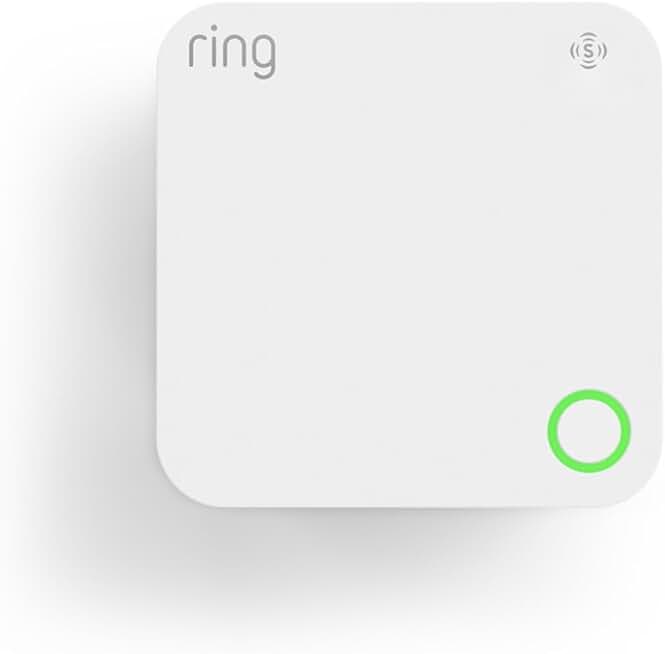
Ring’s entry into this market with the Air Quality Monitor is a strategic move to offer a more holistic smart home experience. It integrates seamlessly with the existing Ring app and ecosystem, meaning users who already have Ring cameras, doorbells, or alarm systems will find the setup and management familiar and straightforward. This integration allows for a unified approach to home monitoring, where security and environmental well-being are managed from a single interface. The device is compact and discreet, designed to blend into various home décors without being an obtrusive presence, reflecting Ring’s typical design philosophy.
One of the most compelling aspects of the Ring Air Quality Monitor is its emphasis on proactive health management. Instead of reacting to symptoms of poor air quality, users can identify issues as they arise and take corrective action. This might involve increasing ventilation, adjusting HVAC settings, or identifying sources of pollution. The device is engineered to provide actionable insights, making the data it collects meaningful for everyday decision-making, rather than just presenting raw numbers that might be difficult to interpret.
Furthermore, the monitor’s connectivity via Amazon Sidewalk is a notable feature. Amazon Sidewalk is a shared network that helps devices work better both inside the home and beyond the front door. It uses a small portion of your internet bandwidth to provide low-bandwidth connectivity for Sidewalk-enabled devices, extending their range and reliability. For an air quality monitor, this means more flexible placement options without worrying about Wi-Fi dead zones, ensuring consistent data collection across larger homes or properties. This innovative approach to connectivity enhances the device’s utility and broadens its appeal to a wider range of users.
The design philosophy behind the Ring Air Quality Monitor appears to prioritize user convenience and accessibility. The fact that it doesn’t require a separate base station is a major advantage, reducing clutter and simplifying the installation process. This plug-and-play approach aligns with the growing demand for smart home devices that are easy to set up and manage, even for those who are not tech-savvy.
The device is powered in a way that allows for continuous monitoring, providing uninterrupted data streams to the user’s Ring app. This continuous feedback loop is essential for understanding air quality trends over time and for identifying patterns related to specific activities or times of day.
Understanding the types of pollutants it detects is also crucial for users. While specific details may vary, typical air quality monitors in this category assess factors such as particulate matter (PM2.5), volatile organic compounds (VOCs), carbon dioxide (CO2), temperature, and humidity. Each of these metrics provides valuable information: PM2.5 relates to fine airborne particles that can affect respiratory health, VOCs are linked to various chemicals found in household products, and CO2 levels can indicate poor ventilation.
Temperature and humidity, while not pollutants themselves, significantly impact comfort and can influence the growth of mold or the effectiveness of other pollutants. The Ring Air Quality Monitor is expected to provide comprehensive data points that cover these critical indicators, ensuring users have a full picture of their indoor environment.
In essence, the Ring Air Quality Monitor is positioned as an essential tool for modern homes, offering peace of mind through continuous, intelligent monitoring. It leverages Ring’s established ecosystem and Amazon’s network capabilities to deliver a user-friendly and effective solution for a healthier indoor living space. Its introduction highlights a shift towards more health-centric smart home solutions, moving beyond traditional security and convenience features to address fundamental aspects of well-being. This device promises to be a valuable asset for anyone looking to gain better control over their home environment and safeguard their family’s health.
Ring Air Quality Monitor Key Features & Specs
The Ring Air Quality Monitor is packed with features designed to provide comprehensive and user-friendly air quality insights. Understanding these key functionalities helps in appreciating the value and utility this device brings to a smart home setup. Its specifications, though not fully detailed by Ring yet, can be inferred based on industry standards for air quality monitors and Ring’s product philosophy.
Instant Notifications
One of the most critical features is the ability to deliver instant notifications directly to your smartphone via the Ring app. This means you don’t have to constantly check the device or the app to stay informed. If the air quality in your home deteriorates beyond a predefined threshold, you’ll receive an immediate alert. This proactive alerting system is crucial for addressing issues quickly, whether it’s a sudden spike in VOCs from cleaning products or elevated particulate matter from cooking.
These notifications are customizable, allowing users to set their preferred alert levels and choose which types of air quality changes they want to be notified about. This ensures that you receive relevant alerts without being overwhelmed by unnecessary information. The immediacy of these alerts can be particularly beneficial in situations where rapid action, such as ventilation or evacuating an area, might be necessary.
Smart Suggestions
Beyond simply alerting you to problems, the Ring Air Quality Monitor is designed to offer smart suggestions for improvement. This is a significant differentiator, as many basic air quality monitors only provide data without context or actionable advice. Ring’s system aims to interpret the data and recommend practical steps you can take to mitigate issues. For instance, if CO2 levels are high, it might suggest opening a window or running your HVAC fan. If humidity is too high, it might recommend using a dehumidifier.
These suggestions can be invaluable for users who may not be experts in indoor air quality management. They transform raw data into practical guidance, making it easier for anyone to maintain a healthier home environment. This feature leverages Ring’s smart home intelligence to provide a more integrated and helpful user experience, moving beyond mere monitoring to active problem-solving.
Amazon Sidewalk Connectivity
The integration with Amazon Sidewalk is a standout technical specification for the Ring Air Quality Monitor. Amazon Sidewalk is a low-bandwidth, long-range wireless network that uses existing Ring and Echo devices as bridges to extend coverage for smart home gadgets. This means the monitor can maintain connectivity even in parts of your home where your Wi-Fi signal might be weak or non-existent.
This extended range enhances placement flexibility, allowing you to position the monitor in optimal locations for accurate readings, such as a child’s bedroom or a kitchen, without worrying about network dropouts. It also contributes to the device’s reliability, ensuring continuous data transmission and uninterrupted monitoring. For users with larger homes or those who struggle with Wi-Fi coverage, Sidewalk connectivity provides a robust and convenient solution.
No Base Station Needed
A significant convenience factor is that the Ring Air Quality Monitor does not require a separate base station. Many smart home sensors and monitors often necessitate a dedicated hub or gateway to function, adding to cost and complexity. By eliminating this requirement, Ring simplifies the setup process and reduces clutter. This makes the device more accessible to a broader audience, including those new to smart home technology.
This feature means that if you already have a compatible Ring device (like a Ring Alarm Pro or certain Echo devices acting as Sidewalk bridges), the Air Quality Monitor can connect directly to your existing network. This ease of integration is a hallmark of the Ring ecosystem, aiming to provide a seamless and user-friendly experience from unboxing to daily operation. The device is essentially plug-and-play, allowing users to get started with air quality monitoring almost immediately.
Monitored Parameters (Inferred)
While Ring has not released an exhaustive list of all specific sensors, typical advanced air quality monitors track several key parameters. It is highly probable that the Ring Air Quality Monitor will measure:
- Particulate Matter (PM2.5): These are microscopic particles that can be inhaled and cause respiratory issues. Sources include dust, smoke, and pollen.
- Volatile Organic Compounds (VOCs): These are gases emitted from certain solids or liquids, including paints, cleaning supplies, and building materials. High levels can cause short-term and long-term health effects.
- Carbon Dioxide (CO2): Elevated CO2 levels often indicate poor ventilation, leading to drowsiness and reduced cognitive function.
- Temperature and Humidity: While not pollutants, these factors significantly impact comfort and can influence the growth of mold and mildew, as well as the concentration of certain pollutants.
The combination of these sensors would provide a comprehensive picture of indoor air quality, enabling the device to deliver meaningful alerts and suggestions. The sensor technology is expected to be accurate and reliable, providing trustworthy data for informed decision-making. The device is likely powered by a standard household outlet, ensuring continuous operation, and may include a backup battery for short power interruptions, although this is speculative without official specs.
Its compact design is intended for discreet placement in any room, ensuring that monitoring can occur without disrupting the aesthetics of your living space. The overall robust set of features and anticipated specifications positions the Ring Air Quality Monitor as a powerful tool for maintaining a healthy home environment.
Pros & Cons
Evaluating any new smart home device requires a balanced look at its advantages and potential drawbacks. The Ring Air Quality Monitor, while promising, is no exception. Understanding these points will help prospective buyers make an informed decision tailored to their specific needs and existing smart home setup.
Pros:
- Seamless Integration with Ring Ecosystem: For existing Ring users, this monitor slots effortlessly into their current setup. Management through the familiar Ring app simplifies monitoring and reduces the learning curve, offering a unified control center for security and environmental health. This integration provides a cohesive experience, avoiding the need for multiple apps or platforms.
- Proactive Health Monitoring: The device moves beyond reactive measures by providing continuous, real-time data on indoor air quality. This allows users to identify potential issues before they become significant problems, enabling proactive interventions such as ventilation or air purification. This focus on prevention is a major benefit for health-conscious households.
- Instant Notifications and Smart Suggestions: Unlike basic monitors, the Ring Air Quality Monitor doesn’t just show data; it actively alerts users to changes and suggests actionable steps. This guidance is incredibly valuable for those who may not be familiar with air quality metrics, turning complex data into simple, understandable recommendations. The suggestions empower users to improve their living environment effectively.
- No Dedicated Base Station Required: This feature significantly simplifies installation and reduces hardware clutter. For many smart home devices, a separate hub is a prerequisite, adding to cost and setup complexity. The Ring monitor’s ability to connect directly via existing Ring or Echo devices makes it more user-friendly and cost-effective for current Amazon ecosystem users.
- Utilizes Amazon Sidewalk for Extended Range: Amazon Sidewalk connectivity provides a robust and expansive network for the monitor. This means greater flexibility in placement within larger homes or properties, ensuring consistent data collection even in areas traditionally prone to Wi-Fi dead zones. The extended range contributes to reliable performance and broader coverage.
- Potential for Automation and Smart Home Routines: Given its integration with the Ring ecosystem and likely compatibility with Alexa, the monitor has the potential to trigger automated actions. For example, if VOC levels spike, it could automatically turn on a smart air purifier or adjust a smart thermostat’s fan settings. This level of automation elevates the device from a mere monitor to an active participant in home health management. This adds another layer of convenience and efficiency, allowing your home to respond intelligently to environmental changes.
- Cost-Effective Entry into Air Quality Monitoring: At its price point, the Ring Air Quality Monitor offers an accessible way to begin monitoring indoor air quality without a significant upfront investment. Compared to some professional-grade systems or other smart monitors with separate hubs, its integrated approach can save money and simplify the overall smart home architecture. This makes it an attractive option for budget-conscious consumers looking to enhance their home’s health.
Cons:
- Reliance on Ring/Amazon Ecosystem: While a pro for existing users, this is a significant con for those outside the Ring or Amazon ecosystem. The monitor’s full functionality and seamless experience are tied to having compatible Ring or Echo devices. This limits its appeal as a standalone solution and might necessitate additional purchases for new users. Without these components, its utility might be severely hampered, making it less attractive for those preferring other smart home platforms.
- New Product with Limited User Reviews: As a relatively new product, the Ring Air Quality Monitor lacks extensive real-world user reviews and long-term performance data. This means potential buyers are relying heavily on manufacturer claims and initial impressions, without the benefit of widespread community feedback regarding accuracy, durability, or common issues. Early adoption always carries some level of uncertainty.
- Potential Privacy Concerns with Amazon Sidewalk: While Amazon Sidewalk offers benefits, it has also raised privacy concerns among some users. The network shares a small amount of internet bandwidth to create a broader network. Although Amazon states data is encrypted and bandwidth usage is minimal, some users may be uncomfortable with their network contributing to a shared communal network. Understanding and consenting to Sidewalk’s operation is crucial for users.
- Specific Sensor Capabilities Not Fully Detailed: While we can infer the types of pollutants it likely monitors, Ring has not provided an exhaustive list of all specific sensors and their precise detection ranges or accuracy. This lack of detailed specifications can make it challenging for highly discerning users to compare it against other specialized air quality monitors that provide more granular data. Transparency in sensor capabilities is often desired for such devices.
- Dependency on Consistent Power: Air quality monitors typically require continuous power to provide real-time data. While this device is likely mains-powered, a power outage would interrupt monitoring. Unlike battery-operated security sensors, continuous environmental monitoring demands a stable power supply, which can be a limitation in areas prone to frequent power disruptions. This means the device may not offer full environmental protection during extended outages.
Overall, the Ring Air Quality Monitor offers a compelling package for those already invested in the Ring/Amazon smart home ecosystem, emphasizing ease of use and proactive health management. However, potential buyers outside this ecosystem should consider the additional requirements, and all users should weigh the benefits against the privacy implications of Amazon Sidewalk and the current lack of extensive user feedback.
Who Should Buy the Ring Air Quality Monitor?
The Ring Air Quality Monitor is not a one-size-fits-all device, but it caters to a specific demographic that can significantly benefit from its capabilities. Understanding who stands to gain the most from this smart sensor helps in determining its true value proposition. This device is particularly well-suited for individuals and families who are proactive about their health and well-being, especially concerning their indoor environment.
Existing Ring or Amazon Smart Home Users
This is arguably the primary target audience. If you already have Ring cameras, doorbells, or an Alarm system, or if you regularly use Amazon Echo devices, the Air Quality Monitor will integrate seamlessly into your established ecosystem. The convenience of managing everything from a single app and leveraging existing Amazon Sidewalk-enabled devices for connectivity makes it an almost effortless addition. You won’t need to learn a new interface or invest in additional hubs, streamlining your smart home experience.
For these users, the monitor extends the utility of their current smart home setup, bringing environmental awareness into the fold alongside security and convenience. It’s a natural progression for those who trust the Ring brand and value the interconnectedness of their smart devices. The familiar interface and easy setup will make this a compelling upgrade or expansion for your smart home.
Families with Young Children or Elderly Members
Vulnerable populations, such as infants, young children, and the elderly, are often more susceptible to the adverse effects of poor indoor air quality. Their developing respiratory systems or weakened immune systems can react more strongly to pollutants like VOCs, PM2.5, or elevated CO2 levels. For parents and caregivers, the Ring Air Quality Monitor offers peace of mind by continuously monitoring the air in nurseries, bedrooms, or common living areas.
Instant notifications allow for quick intervention, such as opening a window or activating an air purifier, to protect these sensitive individuals. The smart suggestions can guide parents on how to maintain optimal conditions for their family’s health, ensuring a safer and healthier environment for those who need it most. This proactive approach to health can be incredibly reassuring for families.
Individuals with Allergies, Asthma, or Respiratory Sensitivities
For anyone suffering from allergies, asthma, or other respiratory conditions, indoor air quality is paramount. Dust mites, pet dander, pollen, mold spores, and chemical irritants can trigger severe reactions. The Ring Air Quality Monitor can help identify periods of elevated allergens or irritants, allowing individuals to take preventative measures.
By understanding what’s in their air, allergy sufferers can better manage their symptoms, identify triggers, and implement strategies like running HEPA filters or adjusting humidity levels. The monitor acts as an early warning system, helping to create a more comfortable and less reactive environment, significantly improving their quality of life. This direct insight into their environmental triggers is invaluable for managing chronic conditions.
Smart Home Enthusiasts and Tech-Savvy Homeowners
If you’re someone who loves to optimize your home with the latest smart technology and appreciates data-driven insights, the Ring Air Quality Monitor will likely appeal to you. It offers another layer of data to integrate into your overall smart home strategy, potentially enabling advanced automations through Alexa routines. For example, you could set up a routine where your smart air purifier turns on automatically if the monitor detects high particulate matter levels.
The ability to monitor, analyze, and automate based on environmental factors aligns perfectly with the goals of a sophisticated smart home. These users enjoy the process of fine-tuning their living spaces for optimal comfort, health, and efficiency. The device adds a new dimension to their smart home control, making it a valuable tool for comprehensive home management.
Homeowners Concerned About General Well-being
Even without specific health conditions, many homeowners are increasingly aware of the impact of their environment on their overall well-being. The Ring Air Quality Monitor provides an accessible way to gain awareness and control over an often-overlooked aspect of home health. It empowers individuals to take charge of their indoor environment, ensuring a fresher, cleaner, and more comfortable living space for everyone.
For those who strive for a holistic approach to health, encompassing diet, exercise, and environment, this monitor offers a tangible tool to support their goals. It’s an investment in the long-term health and comfort of their household, providing peace of mind through continuous monitoring and actionable insights. This proactive stance on health is becoming more prevalent, and the device caters directly to this growing awareness. The convenience of having this information readily available through a familiar app also contributes to its appeal for general well-being advocates.
Renters or Those Seeking a Non-Invasive Solution
Because the Ring Air Quality Monitor does not require permanent installation or a separate base station, it is an excellent option for renters. It can be easily set up in any room and moved as needed, making it a flexible solution for temporary living situations. This non-invasive nature means no drilling or complex wiring, which is ideal for those who cannot make permanent alterations to their living space.
Its portability also makes it suitable for monitoring different areas over time or even taking it with you if you move. The ease of setup and minimal commitment make it an attractive choice for anyone looking for a straightforward, flexible air quality monitoring solution without the hassle of a complex installation. This flexibility is a key advantage for a diverse range of living situations, from apartments to shared housing.
In summary, the Ring Air Quality Monitor is a powerful addition for anyone committed to enhancing their indoor environment, especially those already integrated into the Ring or Amazon smart home ecosystem. It offers significant benefits for families, individuals with health sensitivities, and tech enthusiasts looking to optimize their home’s health and comfort through smart technology. Its user-friendly design and actionable insights make it a valuable investment for a healthier home.
For more information on indoor air quality, you can refer to authoritative sources like the Environmental Protection Agency (EPA) or the World Health Organization (WHO).
FAQ about Ring Air Quality Monitor
Here are some frequently asked questions about the Ring Air Quality Monitor, providing detailed answers to common inquiries and helping users understand its capabilities and requirements.
Q1: What specific air quality parameters does the Ring Air Quality Monitor measure?
A1: While Ring has not yet released an exhaustive list of all specific sensors, typical advanced air quality monitors in this category are designed to measure key indoor air pollutants. It is highly anticipated that the Ring Air Quality Monitor will track Particulate Matter (PM2.5), which includes fine airborne particles like dust, pollen, and smoke.
It is also expected to monitor Volatile Organic Compounds (VOCs), which are gases emitted from various household items and chemicals. Additionally, it will likely measure Carbon Dioxide (CO2) levels, which indicate ventilation effectiveness, and environmental factors like temperature and humidity. These combined measurements provide a comprehensive picture of your indoor air health, allowing for informed action against a wide range of common indoor pollutants.
Q2: How do the instant notifications work, and what do they alert me to?
A2: The instant notifications from the Ring Air Quality Monitor are delivered directly to your smartphone via the Ring app. When the device detects a significant change or deterioration in air quality—such as a spike in VOCs from cleaning, an increase in PM2.5 from cooking, or elevated CO2 levels due to poor ventilation—you will receive an immediate alert.
These notifications are designed to be proactive, informing you of potential issues as they happen, so you can take timely action. The app allows you to customize these alerts, setting thresholds for different pollutants and choosing which types of notifications are most important to you. This ensures you are always informed about critical changes in your home’s air quality, enabling you to maintain a healthier environment.