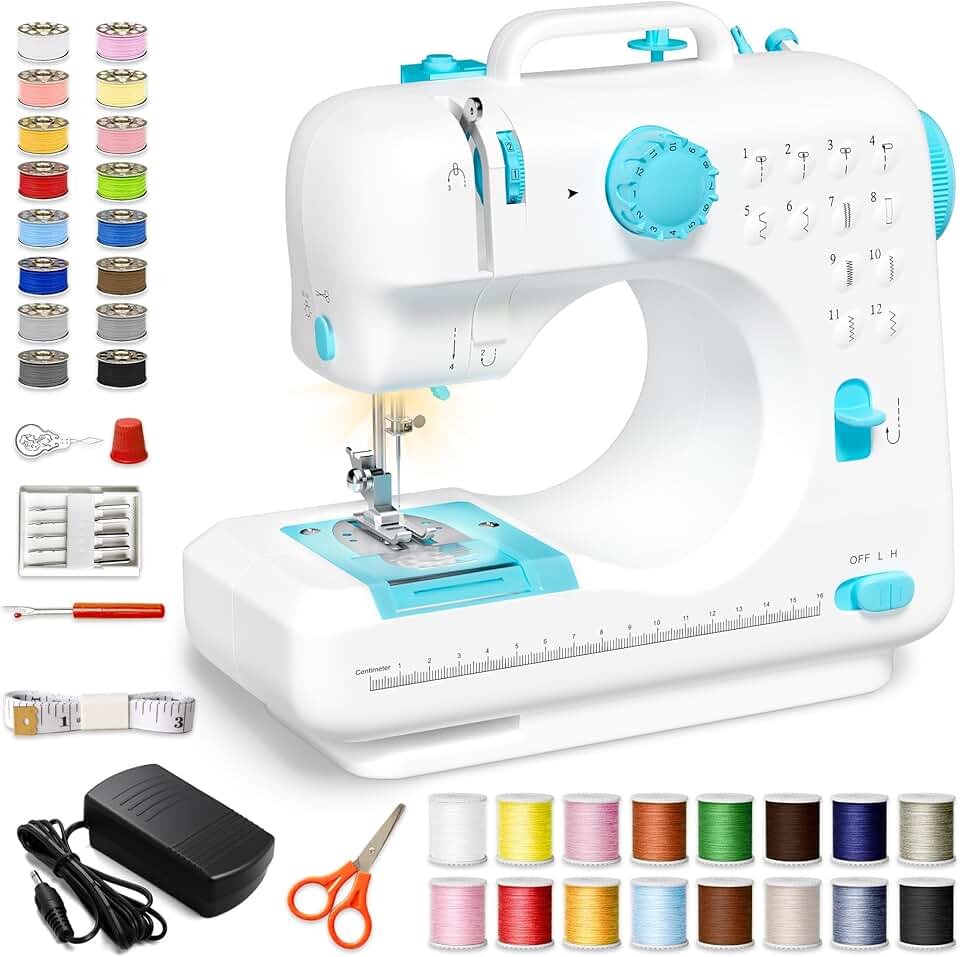
The Portable Mini Sewing Machine is emerging as an indispensable tool for hobbyists, beginners, and anyone needing quick, convenient sewing solutions around the house. This compact device promises to simplify alterations, craft projects, and emergency repairs, making the world of sewing accessible to everyone. We will delve into its capabilities, user-friendliness, and overall value in this comprehensive review.

Product Summary
- Rating: 4.4 out of 5 stars (28 reviews)
- Price: $59.99 USD
- Key Pros:
- Extremely compact and lightweight design
- Simple operation ideal for beginners
- Perfect for quick fixes and small DIY projects
- Key Cons:
- Limited functionality for complex tasks
- Durability concerns for heavy-duty use
Table of Contents
Portable Mini Sewing Machine Overview
The concept of a Portable Mini Sewing Machine is to provide an accessible entry point into the world of sewing without the bulk, complexity, or cost associated with full-sized machines. This particular model aims to cater to the needs of absolute beginners, children learning to sew, and individuals who require a simple, reliable tool for minor sewing tasks. For those interested in the broader history and evolution of these machines, you can learn more about sewing machine history and types on Wikipedia.
Unlike traditional sewing machines that often come with a steep learning curve and a myriad of features that can overwhelm a novice, this mini sewing machine is stripped down to the essentials. It focuses on core functionalities such as basic stitching, quick hemming, and small repair jobs. The compact footprint ensures it can be stored away easily in a drawer or on a small shelf, perfect for those with limited space.
The target audience for this device is quite broad, ranging from students in dorms who need to mend clothes quickly, to crafters working on small, intricate projects, and even parents introducing their children to the joys of sewing. Its lightweight nature means it can be moved from room to room or even taken on trips, offering sewing capabilities wherever they might be needed.
Despite its small size, the machine is designed to handle common fabrics found in everyday clothing and crafting materials. Users report success with cotton, linen, thin denim, and various synthetic blends. However, it’s generally not recommended for very thick materials like heavy canvas or multiple layers of denim, as this can strain the motor and needles.
The operation is typically straightforward, often involving a simple on/off switch and a foot pedal for speed control. Many models, including this one, feature a single stitch type, usually a straight stitch, which is adequate for the majority of basic sewing tasks. This simplicity is a deliberate design choice, aimed at reducing intimidation for new users.
In terms of power, these mini machines usually run on either batteries or an AC adapter, providing flexibility for use in different environments. The ability to operate without a constant power outlet can be particularly beneficial for crafters who enjoy working outdoors or in spaces without readily available power sockets. This dual power option enhances its portability significantly.
The aesthetic appeal of such machines often leans towards bright, inviting colors, like the blue of this specific model, making them attractive to younger users or those who appreciate a pop of color in their creative tools. This playful design can make the learning process more engaging and less daunting for absolute beginners.
When considering the overall value, the Portable Mini Sewing Machine stands out for its affordability. For a fraction of the cost of a full-sized machine, users gain a functional tool that can handle a surprising array of tasks. While it won’t replace a heavy-duty model for professional garment construction, it fills a crucial niche for convenience and immediate utility.
Understanding its limitations is key to appreciating its strengths. It is not built for high-volume production or intricate embroidery. Instead, it excels at being a reliable helper for everyday mending, small creative outbursts, and as a stepping stone for individuals to gauge their interest in sewing before investing in more advanced equipment. This makes it an excellent starter machine.
The market for mini sewing machines has grown significantly, reflecting a demand for more accessible and less intimidating home tools. This product fits perfectly into that category, offering a practical solution for those who might feel overwhelmed by larger, more complex alternatives. It truly embodies the “compact and easy-to-use” promise, making sewing approachable for all.
Portable Mini Sewing Machine Key Features & Specs
The design philosophy behind this Portable Mini Sewing Machine revolves around simplicity and accessibility. Its core features are carefully selected to provide essential sewing capabilities without overwhelming the user. Understanding these specifications is crucial for potential buyers to determine if this machine aligns with their sewing needs and expectations.
One of the most prominent features is its compact and lightweight design. Weighing just a few pounds and often measuring no more than 8-10 inches in any dimension, it is incredibly easy to transport and store. This makes it an ideal companion for small apartments, dorm rooms, or for taking to sewing classes and craft gatherings.
The machine typically operates with a single, straight stitch, which is the most fundamental and widely used stitch type. While advanced machines offer dozens of stitch patterns, a straight stitch is sufficient for hemming, seaming, and most basic repairs. This simplicity ensures that beginners can quickly grasp the machine’s operation without confusion.
Powering the device is usually flexible, offering both AC adapter plug-in capability and battery operation (often 4 AA batteries). This dual power source significantly enhances its portability, allowing users to sew even in locations without immediate access to an electrical outlet. It’s a crucial advantage for on-the-go mending or crafting.
For control, many mini sewing machines come with both a hand switch and a foot pedal. The hand switch provides a steady, consistent speed for simple tasks, while the foot pedal offers variable speed control, allowing more experienced users to manage their pace more effectively. This dual control option caters to different comfort levels and preferences.
A built-in thread cutter is a small but highly convenient feature. Instead of fumbling for scissors after each seam, users can simply snip the thread with a quick motion. This minor addition streamlines the sewing process and adds to the overall user-friendly experience, especially for those new to sewing.
Illumination is also a thoughtful inclusion; a small LED light often illuminates the sewing area. This is particularly helpful when working on dark fabrics or in dimly lit environments, ensuring better visibility of the needle and fabric. Good lighting reduces eye strain and improves precision, which is beneficial for all users.
The machine generally supports a variety of common household fabrics, from light cottons and silks to medium-weight denim and thin canvas. Its robust enough for typical clothing repairs, decorative stitching on small items, and simple DIY projects. However, it’s important to avoid excessively thick or layered materials to prevent damage to the needle or motor.
Despite its beginner-friendly nature, the machine often includes practical accessories such as bobbins, needles, a needle threader, and an AC adapter. These inclusions mean that users can start sewing almost immediately after unboxing, without needing to purchase additional supplies right away. This “ready-to-use” aspect is a significant benefit.
The compact design also extends to its threading mechanism, which is usually simplified to make it less intimidating for new users. Clear diagrams or instructions are often provided to guide the user through the threading path, minimizing frustration and helping to build confidence in their sewing abilities. This focus on user experience is paramount.
While the stitch length is often fixed, some models might offer a basic adjustment for stitch length, providing a touch more versatility. However, even with a fixed length, the standard setting is generally suitable for most general sewing tasks. The emphasis remains on functional simplicity rather than advanced customization.
Durability, while not on par with industrial machines, is adequate for its intended use. The construction typically involves a plastic housing over a metal frame, offering a balance between lightweight design and sufficient stability for light to moderate sewing. Regular maintenance, like keeping it clean and oiled, can extend its lifespan considerably.
In summary, the key features of this Portable Mini Sewing Machine are its portability, ease of use, basic straight stitching, dual power options, and thoughtful inclusions like an LED light and thread cutter. These elements combine to create an approachable and functional tool for anyone looking to undertake simple sewing tasks effectively.
Pros & Cons
Every product, particularly one designed for a specific niche like beginner sewing, comes with its own set of advantages and disadvantages. Evaluating the pros and cons of the Portable Mini Sewing Machine helps potential users set realistic expectations and make an informed purchasing decision. This balanced perspective is crucial for customer satisfaction.
Pros:
- Exceptional Portability and Storage: This machine’s most significant advantage is its diminutive size and light weight. It can be easily moved from one location to another, whether it’s from a craft room to the living room, or packed for travel. For those living in small spaces, its ability to be tucked away in a drawer or small cabinet is invaluable. This freedom of movement makes spontaneous sewing projects much more feasible.
- User-Friendly for Beginners: The simplicity of operation is a major draw. With often just one or two stitch options and clear threading paths, new sewers can get started almost immediately without feeling overwhelmed by complex settings. This low barrier to entry makes it an excellent choice for children, students, or anyone hesitant to try sewing for the first time. The intuitive design builds confidence quickly.
- Ideal for Quick Repairs and Small Projects: For hemming pants, mending a torn seam, or crafting small items like face masks, doll clothes, or simple tote bags, this machine excels. Its quick setup and straightforward functionality mean that minor tasks don’t require hauling out and setting up a large, heavy machine. It’s perfect for those “sew-it-now” moments.
- Affordable Entry Point: Compared to full-sized sewing machines, the Portable Mini Sewing Machine is significantly more affordable. This low initial investment allows individuals to explore their interest in sewing without a substantial financial commitment. It’s a cost-effective way to determine if sewing is a hobby they wish to pursue further.
- Dual Power Options: The flexibility to operate on both AC power and batteries is a considerable benefit. This feature extends its utility beyond the confines of power outlets, making it suitable for use during power outages, in workshops, or even outdoors. It adds another layer of convenience and true portability to the device.
- Convenient Built-in Features: Small but impactful features like a built-in LED light and a thread cutter enhance the user experience. The LED light ensures better visibility of the work area, reducing strain and improving precision, while the thread cutter eliminates the need for separate scissors, making the workflow smoother and more efficient.
Cons:
- Limited Functionality and Stitch Options: The primary drawback is its restricted capabilities. Most mini machines offer only a straight stitch, lacking zigzag, buttonhole, or decorative stitches found on more advanced models. This limits the types of projects that can be undertaken and may frustrate users looking for more creative freedom or specialized sewing tasks. Complex garment construction is generally out of its scope.
- Durability and Build Quality Concerns: Given its lightweight construction, often relying heavily on plastic components, the long-term durability can be a concern. It’s not built for heavy-duty, continuous use, and may struggle with thicker fabrics or multiple layers. Users must manage expectations regarding its robustness compared to a metal-framed, full-sized machine.
- Less Powerful Motor: The motor in a mini sewing machine is typically less powerful than those in standard machines. This translates to slower sewing speeds and potential difficulties when working with tougher materials, leading to skipped stitches or even motor strain. It requires a gentler approach and patience, especially for beginners learning machine control.
- Small Work Area: The compact nature of the machine also means a smaller work area around the needle. This can make it challenging to maneuver larger pieces of fabric or to work on projects that require ample space for fabric manipulation. Quilting or sewing large garments can become awkward and cumbersome.
- Noise and Vibration: Some users report that mini sewing machines can be louder and vibrate more than their full-sized counterparts, especially at higher speeds. While not a deal-breaker for occasional use, it can be a minor annoyance during longer sewing sessions. This is often a trade-off for the compact and affordable design.
In summary, while the Portable Mini Sewing Machine offers unparalleled convenience and ease of use for basic tasks and beginners, it comes with inherent limitations in functionality and power. Understanding these trade-offs is essential for a satisfying user experience. It’s a tool best suited for its specific niche rather than a direct replacement for a robust, multi-feature machine.
Who Should Buy the Portable Mini Sewing Machine?
Determining whether the Portable Mini Sewing Machine is the right tool for you depends largely on your sewing experience, your typical projects, and your space constraints. This machine is not a one-size-fits-all solution, but it excels in serving specific user groups with its unique blend of features and limitations. Understanding its target audience can help you make an informed decision.
Absolute Beginners and Novice Sewers: This is arguably the primary demographic for the mini sewing machine. If you’ve never touched a sewing machine before and are intimidated by complex features, this compact device offers a gentle introduction. Many resources are available online to help you get started with basic sewing stitches and techniques. Its straightforward operation, often with just a single stitch type, allows new users to learn the basics of threading, tension, and fabric feeding without feeling overwhelmed by advanced features found on larger machines. It’s a perfect stepping stone into the world of textiles.
Parents Introducing Children to Sewing: The small size, simple controls, and often colorful designs make this machine an excellent choice for teaching children the fundamentals of sewing. Under adult supervision, kids can learn basic hand-eye coordination and creativity on a machine that is less daunting and more manageable than a full-sized model. It fosters an early interest in crafts and practical skills.
Students and Dorm Residents: For those living in compact spaces like college dorms or small apartments, a full-sized sewing machine is often impractical due to its bulk. The portable mini sewing machine offers a fantastic solution for quick repairs, hemming, or small DIY projects without consuming valuable space. Its easy storage means it can be tucked away when not in use.
Travelers and RV Enthusiasts: The lightweight and battery-operable nature of this machine makes it a dream for individuals who travel frequently or live in RVs. Whether it’s a quick mend on a vacation or a small craft project on the road, the mini machine provides sewing capabilities without needing constant access to power outlets or significant luggage space. It’s a truly mobile sewing solution.
Crafters Focused on Small Projects: If your crafting interests lie in making small items like doll clothes, pet accessories, fabric cards, or miniature decorations, this machine is perfectly adequate. It handles light to medium fabrics well enough for these purposes, allowing crafters to bring their small-scale visions to life without investing in an expensive, professional machine. It’s a cost-effective tool for specific craft niches.
Individuals Needing Quick Fixes and Mending: For homeowners who frequently encounter minor clothing tears, loose hems, or small fabric repairs, this machine is a lifesaver. It eliminates the need for hand sewing or taking items to a tailor for simple fixes. Its readiness for immediate use means that small problems can be addressed quickly and efficiently, saving time and money in the long run.
As a Backup or Secondary Machine: Even experienced sewers who own a robust, full-sized machine might find value in a portable mini sewing machine as a secondary option. It can be kept handy for those impromptu, minor tasks that don’t warrant setting up the main machine. It serves as a convenient backup or a dedicated machine for specific, simple operations, freeing up the primary machine for more complex work.
Those with Limited Budget for Sewing Equipment: The affordability of the portable mini sewing machine makes it an accessible option for anyone on a tight budget. It provides essential sewing functionality at a fraction of the cost of traditional machines, allowing more people to engage in sewing as a hobby or for practical needs without a significant financial outlay. This makes sewing more inclusive.
However, it’s equally important to identify who might *not* be the ideal buyer. If you plan to undertake complex garment construction, quilt large pieces, work with heavy-duty fabrics like leather or multiple layers of denim regularly, or require a wide array of decorative stitches, then a full-sized, more powerful machine would be a better investment. This portable mini sewing machine is specifically designed for light tasks and ease of use, not for professional-grade or heavy-duty applications. Always align your expectations with the machine’s intended purpose to ensure satisfaction.
In essence, the Portable Mini Sewing Machine is an excellent choice for individuals seeking convenience, portability, and simplicity for basic sewing tasks. It empowers a broad range of users to tackle small projects and repairs with confidence, making sewing more accessible than ever before. Its value lies in its ability to deliver fundamental functionality in a compact, user-friendly package.
FAQ about the Portable Mini Sewing Machine
Potential buyers often have numerous questions about compact sewing devices, especially regarding their capabilities and limitations. This FAQ section aims to address common queries about the Portable Mini Sewing Machine, providing clear and concise answers to help users understand what to expect from this versatile tool. These insights will ensure a more satisfying user experience.
Q1: Can the Portable Mini Sewing Machine handle all types of fabrics?
A1: The machine is generally designed for light to medium-weight fabrics such as cotton, linen, silk, thin denim, and various synthetic blends. It performs well for everyday clothing repairs and crafting with these materials. However, it is not recommended for very thick materials like heavy canvas, leather, upholstery fabric, or multiple layers of thick denim, as this can strain the motor, break needles, or result in skipped stitches. Always test on a scrap piece first.
Q2: Is this machine suitable for complete beginners, or do I need prior sewing experience?
A2: This Portable Mini Sewing Machine is specifically marketed towards and ideal for complete beginners. Its design prioritizes simplicity, often featuring only a straight stitch, an easy-to-follow threading path, and intuitive controls like a single on/off switch or a foot pedal. This low learning curve makes it perfect for those new to sewing, allowing them to grasp fundamental concepts without feeling overwhelmed by advanced features found on larger machines. Many users find it a great starting point for developing basic sewing skills.
Q3: What kind of projects can I realistically complete with a mini sewing machine?
A3: You can successfully complete a wide range of small and basic projects. This includes hemming pants or skirts, mending torn seams, patching small holes, creating simple tote bags, making face masks, crafting doll clothes, or performing basic alterations. It’s also excellent for small decorative stitching tasks. While it won’t handle complex garment construction or large quilting projects, it’s incredibly efficient for quick fixes and beginner-level creative endeavors around the home.
Q4: Does the Portable Mini Sewing Machine come with any accessories?
A4: Most models of the Portable Mini Sewing Machine come with a basic set of accessories to get you started immediately. These typically include several bobbins (often pre-wound with thread), spare needles, a needle threader, and an AC power adapter. Some packages might also include a foot pedal and a small measuring tape. It’s always advisable to check the product description for a precise list of included items, as these can vary slightly between manufacturers.
Q5: How does the dual power option (AC adapter vs. batteries) work, and how long do batteries last?
A5: The dual power option provides flexibility, allowing you to use the machine either by plugging it into a wall outlet with the AC adapter or by inserting batteries, typically 4 AA batteries. This is particularly useful for portability. Battery life can vary significantly depending on the brand of batteries, the type of fabric being sewn, and the intensity of use.
Generally, you can expect several hours of intermittent use on a fresh set of alkaline batteries, but for longer sessions or heavier fabrics, the AC adapter is usually recommended for consistent power and performance. It’s always wise to have spare batteries on hand for convenience.
Q6: Can I adjust the stitch length or stitch type on this machine?
A6: Most basic Portable Mini Sewing Machines are designed for simplicity and typically offer only a single, fixed straight stitch. This means there are usually no options to adjust stitch length or switch to other stitch types like zigzag, buttonhole, or decorative stitches. The fixed straight stitch is perfectly adequate for general mending and simple construction, but users looking for more versatility in stitch patterns will need to consider a more advanced, full-sized sewing machine. Always check the specific product’s specifications if stitch adjustment is a critical feature for your needs.
Q7: Is there a reverse stitch function on these mini sewing machines?
A7: A reverse stitch function is a common feature on full-sized sewing machines, used to secure the beginning and end of a seam. While some slightly more advanced mini sewing machines might include a basic reverse lever or button, many of the most compact and beginner-oriented models do not. If reverse stitching is absent, users typically secure their seams by manually turning the fabric 180 degrees and sewing a few stitches forward over the beginning, or by tying off the threads by hand. Again, refer to the specific product manual for exact feature availability.
Q8: How often should I clean and maintain my Portable Mini Sewing Machine?
A8: Regular maintenance is crucial for extending the lifespan and ensuring smooth operation of your Portable Mini Sewing Machine. It’s recommended to clean the lint and dust from the bobbin area and under the needle plate after every few hours of use, or after completing a major project. Use a small brush (often included) and avoid compressed air, as it can push lint further into the machine.
Oiling might be required for certain moving parts, but always consult your specific machine’s manual for lubrication instructions, as not all mini machines require user oiling. Proper care prevents thread jams and maintains stitch quality.
These answers should help clarify common concerns and guide users in making an informed decision about integrating a portable mini sewing machine into their home or crafting toolkit. Its convenience and ease of use make it a valuable asset for the right applications.
Final Verdict
After a thorough examination of its features, benefits, and limitations, the Portable Mini Sewing Machine stands out as a highly valuable tool for a specific segment of the market. It is not designed to replace a heavy-duty, multi-functional sewing machine but rather to complement a household or provide an accessible entry point into the world of sewing. For its intended purpose, it delivers impressive functionality and convenience.
Its core strengths lie in its unparalleled portability, user-friendly design, and affordability. These attributes make it an exceptional choice for beginners, children, students, and anyone needing a quick, reliable solution for minor repairs and small-scale crafting projects. The ability to operate on batteries further enhances its utility, freeing users from the constraints of power outlets and enabling sewing on the go.
While its limited stitch options, modest motor power, and overall build quality might not satisfy experienced sewers or those tackling complex, heavy-duty projects, these are acceptable trade-offs for the convenience and cost. Understanding these limitations upfront is key to a positive user experience. It excels where larger machines are overkill or simply impractical.
The machine serves as an excellent investment for learning the basics of sewing, fostering creativity in young minds, and handling those everyday fabric emergencies with ease. It minimizes the intimidation factor often associated with sewing machines, making the craft approachable and enjoyable for a broader audience. For quick hems, simple seams, and small DIYs, it performs admirably.
Considering its price point, the value offered by this Portable Mini Sewing Machine is substantial. It provides a functional, compact, and easy-to-use device that effectively addresses the needs of its target demographic. It’s a tool that can save time and money on small alterations and repairs, making it a practical addition to any home or craft kit.
We believe this product is an Ultimate choice for anyone seeking a no-fuss, compact sewing solution. It offers a straightforward path to practical sewing skills and immediate utility for minor textile tasks. For those who fit the profile of a beginner, a casual crafter, or someone needing a portable mending tool, the Portable Mini Sewing Machine is absolutely Worth It.
It’s a testament to thoughtful design that a machine so small can deliver such significant utility. It democratizes sewing, bringing the craft to more people who might otherwise be put off by larger, more complex, and more expensive alternatives. This makes it a highly recommended product for its niche.
If you’re looking for a simple, effective, and portable sewing solution that won’t break the bank or take up much space, this mini sewing machine is an outstanding contender. It promises to be a reliable partner for your basic sewing needs, delivering convenience and functionality in a compact package. Embrace the simplicity and utility it offers.