
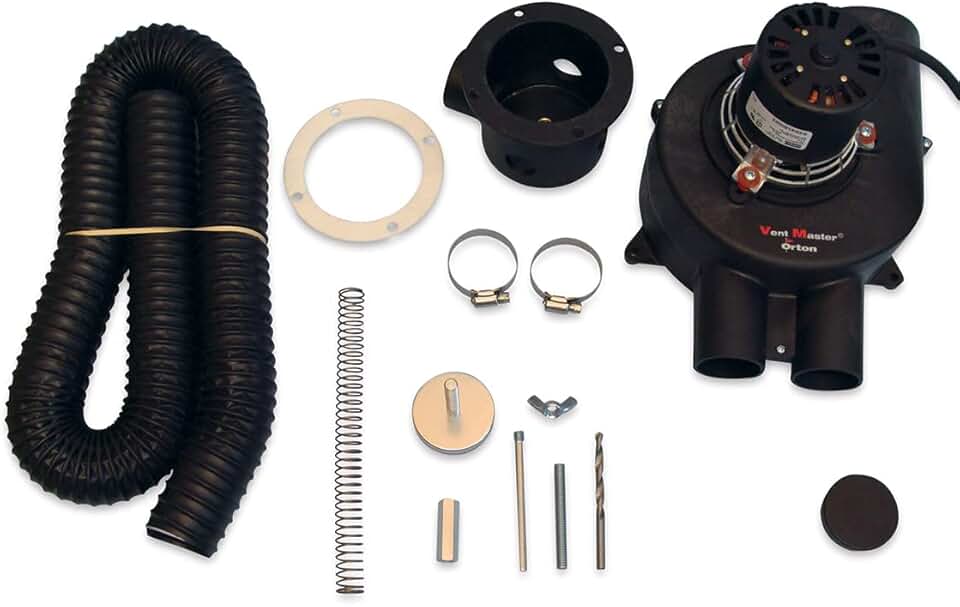
The Orton VentMaster M9 Kiln Vent is a crucial piece of equipment for any serious ceramic artist or hobbyist operating an electric kiln. This review delves deep into its capabilities, assessing its impact on studio air quality, kiln performance, and overall user experience. Understanding the necessity of proper ventilation is paramount for both health and the quality of your ceramic work.
Orton VentMaster M9 Kiln Vent Quick Summary
Rating: 4.1/5 Stars
Price: $535.00 USD
Key Pros:
- Significantly improves studio air quality by removing harmful fumes.
- Promotes more even firings and consistent glaze results.
- Extends the lifespan of kiln elements by removing corrosive vapors.
Key Cons:
- Requires dedicated installation including ductwork and electrical connection.
- Can introduce a noticeable level of operational noise in the studio.
Table of Contents
Orton VentMaster M9 Kiln Vent Overview
The Orton VentMaster M9 Kiln Vent is an active downdraft ventilation system designed specifically for electric kilns. Its primary function is to draw fumes, smoke, and moisture out of the kiln during firing cycles, expelling them safely outdoors. This process is critical for maintaining a healthy studio environment and achieving optimal firing results.
Many ceramics processes, especially during bisque and glaze firings, release various gases and particulate matter. These include sulfur compounds, carbon monoxide, fluorine, and other potentially hazardous substances from clays, glazes, and organic binders. Without proper ventilation, these fumes accumulate in the studio, posing significant health risks to artists.
Beyond health concerns, effective ventilation also plays a pivotal role in the technical aspects of ceramic firing. The M9’s downdraft design ensures a consistent flow of fresh air through the kiln. This helps to equalize temperatures, leading to more uniform heat distribution throughout the firing chamber, which is essential for preventing warping and cracking in pottery.
Furthermore, the removal of volatile compounds and moisture from the kiln atmosphere can dramatically improve glaze consistency and color development. Impurities in the kiln can react with glazes, causing defects like pitting, discoloration, or inconsistent finishes. The Orton VentMaster M9 Kiln Vent actively works to mitigate these issues, contributing to higher quality finished pieces.
Compared to passive ventilation methods, which rely on natural convection or simple hood systems, the M9 offers a forced air solution. This means it provides a much more controlled and efficient extraction of fumes, regardless of ambient temperature or air pressure. This active approach ensures that harmful byproducts are reliably removed from the workspace.
The M9 is designed to be relatively straightforward to install on most electric kilns, typically attaching to a small port at the bottom of the kiln or through a drilled hole. It then connects via ducting to an exterior exhaust point. This system ensures that the harmful gases are not just moved around the studio but are completely removed from the indoor environment.
Investing in an Orton VentMaster M9 Kiln Vent is an investment in both personal health and the quality of your ceramic art. It transforms a potentially hazardous and inconsistent firing process into a safer, more predictable, and more professional operation. This unit stands as a testament to Orton’s commitment to supporting ceramic artists with reliable and effective tools.
Its robust construction and thoughtful design reflect years of experience in kiln technology. For any artist looking to upgrade their studio safety and firing precision, understanding the full capabilities of an active ventilation system like the M9 is crucial. It’s more than just a fan; it’s an integral part of a complete kiln setup.
Orton VentMaster M9 Kiln Vent Key Features & Specifications
The Orton VentMaster M9 Kiln Vent boasts several key features that contribute to its effectiveness and reliability in a ceramic studio setting. Understanding these specifications is essential for appreciating its value and ensuring it meets your specific ventilation needs. Each component is designed for optimal performance in a demanding environment.
One of the core features is its powerful yet efficient motor, specifically engineered for continuous operation during long firing cycles. This motor is typically a shaded pole or capacitor-start type, known for its durability and relatively low energy consumption. It provides the consistent suction needed to effectively draw fumes from the kiln.
The M9 operates on a standard 110-120V electrical supply, making it compatible with most domestic and studio power outlets in North America. This simplifies installation, as a dedicated high-voltage circuit is typically not required for the vent itself, though the kiln will likely need one. Always ensure proper electrical safety and consult an electrician if unsure.
Airflow capacity, measured in Cubic Feet per Minute (CFM), is a critical specification for any kiln vent. While specific CFM ratings can vary slightly, the M9 is designed to provide sufficient airflow for most personal and small commercial electric kilns. This ensures adequate fume extraction without over-cooling the kiln or causing excessive heat loss.
The design incorporates a high-temperature resistant fan blade and housing. Kiln fumes can be hot, especially near the vent port, so the materials used must withstand elevated temperatures without degrading or deforming. This robust construction ensures longevity and safe operation over many firing cycles.
Installation of the Orton VentMaster M9 Kiln Vent typically involves mounting the unit near the kiln’s base and connecting it to a vent port. This port is often a pre-drilled hole in the kiln floor or a purpose-built opening. Ducting, usually a flexible high-temperature hose, then connects the vent to an exterior exhaust. This setup ensures that all extracted fumes are directed outside.
The M9 includes a collection cup or similar mechanism designed to capture condensate and particulate matter. As hot, humid kiln gases are drawn out and cool, moisture can condense, potentially carrying corrosive elements. The collection system prevents this corrosive liquid from damaging the motor or dripping onto the floor, requiring periodic emptying.
Noise level is another important consideration for any studio equipment. While active vents like the M9 are not silent, Orton designs them to operate at a tolerable noise level for a working environment. Strategic placement and proper mounting can further mitigate perceived noise. It’s a trade-off for superior air quality.
Maintenance for the M9 is generally straightforward, involving regular checks of the collection cup and ensuring the ductwork remains clear. The motor itself is designed for long-term, low-maintenance operation. Periodically inspecting the fan blade for buildup and cleaning it can help maintain optimal airflow.
Safety features are often integrated, such as thermal overload protection for the motor, which prevents overheating. This ensures the unit can run for extended periods without risk of damage or fire. The overall design prioritizes both operational efficiency and user safety in a studio environment.
The unit’s compact footprint allows for flexible placement in various studio layouts. Its robust build quality, typical of Orton products, ensures it can withstand the rigors of a working ceramic studio. This focus on durability means artists can rely on their ventilation system for years to come.
Pros and Cons of the Orton VentMaster M9
Evaluating the Orton VentMaster M9 Kiln Vent involves weighing its significant advantages against certain considerations. For many ceramic artists, the benefits far outweigh the drawbacks, making it a valuable addition to their studio. Let’s explore the key pros and cons in detail.
Pros of the Orton VentMaster M9
-
Significantly Improves Studio Air Quality: This is arguably the most critical benefit. The M9 actively removes harmful fumes, gases, and particulate matter released during kiln firings. This includes carbon monoxide, sulfur dioxide, fluorine compounds, and other volatile organic compounds that can cause respiratory issues, headaches, and long-term health problems. A clean air environment is essential for artists spending hours in their studios.
By preventing the accumulation of these airborne pollutants, the VentMaster M9 creates a much safer and more comfortable workspace. This allows artists to focus on their craft without constant worry about their health, leading to a more enjoyable and productive studio experience. The peace of mind alone is invaluable for many.
-
Promotes More Even Firings and Consistent Glaze Results: The downdraft ventilation system of the M9 pulls fresh air through the kiln, helping to equalize temperatures across the entire firing chamber. This active circulation reduces temperature gradients, leading to more uniform heat distribution. Consistent temperatures are crucial for preventing warping, cracking, and other firing defects in pottery.
Beyond structural integrity, even temperatures are vital for predictable glaze outcomes. Glazes react differently to subtle temperature variations, and the M9 helps ensure that all pieces in a load experience similar thermal conditions. This results in more consistent colors, textures, and finishes, significantly improving the quality and reliability of your work.
-
Extends the Lifespan of Kiln Elements: Kiln elements are susceptible to corrosion from the various fumes released during firing, especially from certain glazes and clays. These corrosive agents can degrade the heating elements over time, leading to premature failure and costly replacements. The M9 actively removes these corrosive vapors from the kiln atmosphere.
By continuously evacuating these harmful substances, the VentMaster M9 helps protect the delicate heating elements from chemical attack. This proactive measure can significantly prolong the operational life of your kiln’s elements, reducing maintenance costs and downtime. It’s a smart investment in the longevity of your primary ceramic tool.
-
Reduces Odors and Moisture: Beyond hazardous fumes, kiln firings can produce strong, unpleasant odors and a significant amount of moisture, particularly during the early stages of bisque firing. The M9 effectively pulls these out of the studio, making the environment much more pleasant.
Removing moisture is also beneficial for the kiln itself, preventing condensation within the kiln walls and elements, which can contribute to their degradation. A drier kiln environment can also indirectly lead to better firing results by eliminating variables related to humidity.
Cons of the Orton VentMaster M9
-
Requires Dedicated Installation: Unlike passive ventilation, the M9 is an active system that requires proper installation. This includes routing ductwork from the kiln to an exterior exhaust point and connecting the unit to a standard 110-120V electrical outlet. This isn’t a plug-and-play solution.
The installation process may require some DIY skills or the assistance of a professional, particularly for cutting through walls or roofs for the exhaust duct. This adds an initial investment of time and potentially money beyond the unit’s purchase price. Careful planning for duct routing and exhaust location is essential for optimal performance.
-
Can Introduce a Noticeable Level of Operational Noise: As an active mechanical device with a motor and fan, the Orton VentMaster M9 produces some operational noise. While Orton designs their units to be as quiet as possible for their performance level, it is not silent. This hum can be a consideration in very quiet home studios or shared spaces.
The perceived noise level can vary based on the vent’s mounting, the type of ducting used, and the acoustics of the studio. While many artists find the noise a small trade-off for improved air quality, it’s something to be aware of, especially if noise sensitivity is a concern. Strategic placement and sound dampening techniques can help reduce its impact.
-
Initial Cost Investment: The Orton VentMaster M9 Kiln Vent represents a significant upfront investment compared to simpler, passive ventilation methods. While its benefits are substantial, the price point can be a barrier for hobbyists or those with very limited budgets.
However, it’s important to view this as an investment in health, equipment longevity, and the quality of your work. Over time, the cost savings from fewer element replacements and the value of consistent, high-quality ceramic pieces can justify the initial outlay. It’s a long-term asset for any serious ceramic artist.
Who Should Buy the Orton VentMaster M9 Kiln Vent?
The Orton VentMaster M9 Kiln Vent is an ideal investment for a wide range of ceramic enthusiasts and professionals. Its features and benefits cater to specific needs within the pottery community, making it a highly recommended piece of equipment for those prioritizing health, safety, and consistent firing results. Let’s examine who stands to gain the most from this robust ventilation system.
Home Studio Artists: For individuals firing kilns in a home environment, especially in basements, garages, or dedicated home studios, the M9 is almost indispensable. These spaces often have limited natural ventilation, making the accumulation of toxic fumes a serious concern. The VentMaster M9 ensures that harmful gases are efficiently removed, protecting the health of the artist and anyone else in the household.
The compact nature of many home studios means that odors and fumes can quickly become overwhelming. An active downdraft system like the M9 prevents these issues, making the home studio a much more pleasant and safe place to work. It’s a critical safety upgrade for any residential setup.
Educational Institutions (Schools, Colleges, Workshops): Art departments in schools and universities have a responsibility to provide a safe learning environment for students. The M9 helps achieve this by effectively clearing the air of hazardous kiln fumes, protecting both students and instructors from respiratory irritants and long-term health risks. Its reliability is a key factor in these settings.
Furthermore, consistent firing results are important for teaching purposes, allowing students to see predictable outcomes from their glazing efforts. The M9’s ability to promote even firings contributes to a more effective and less frustrating learning experience for aspiring ceramicists. It helps ensure that experimental glazes and projects yield reliable results.
Professional Potters and Ceramicists: For those who rely on their kiln for their livelihood, consistency and efficiency are paramount. Professional artists often fire frequently and in higher volumes, increasing their exposure to fumes. The M9 offers the robust ventilation needed to support heavy usage, ensuring a safe and productive workspace.
The consistent glaze results and extended kiln element life provided by the M9 translate directly into business benefits. Fewer ruined pieces mean less material waste and more saleable products, while reduced maintenance costs for the kiln elements save money and prevent costly downtime. It’s an investment that pays for itself through improved output and reduced overhead.
Small Production Studios and Businesses: Similar to professional artists, small businesses that produce ceramic ware for sale will find the M9 invaluable. Maintaining product quality and a safe working environment for employees are critical. The VentMaster M9 helps ensure both, supporting a high standard of craftsmanship and worker welfare.
The M9’s ability to handle the demands of frequent firings makes it suitable for businesses that need reliable, continuous operation from their equipment. It contributes to a professional setup that can consistently deliver high-quality products to market. This reliability is a cornerstone of business success.
Anyone Concerned About Studio Air Quality: Even if you fire infrequently, if your kiln is in an enclosed space without excellent natural ventilation, an active vent like the Orton VentMaster M9 Kiln Vent is a wise choice. The health risks associated with kiln fumes are not to be underestimated, regardless of firing frequency.
Ultimately, the M9 is for anyone who wants to take their ceramic practice seriously, prioritizing both their personal well-being and the quality and longevity of their equipment and artwork. It’s a foundational piece of equipment that elevates any electric kiln setup.
While the initial cost and installation requirements exist, the long-term benefits in terms of health, product quality, and equipment lifespan make the M9 a sound investment for serious ceramicists. It transforms a potentially hazardous activity into a safe and predictable one. Consider your specific firing habits and studio environment when making your decision.
Those with outdoor kilns or extremely well-ventilated, open-air setups might find less immediate need for an active downdraft system. However, even in such cases, the benefits to glaze consistency and element life are still relevant. The M9 offers a comprehensive solution for kiln ventilation challenges.
FAQ about the Orton VentMaster M9 Kiln Vent
Here are some frequently asked questions about the Orton VentMaster M9 Kiln Vent to help you understand its functionality, installation, and benefits more thoroughly.
Q1: Why do I need a kiln vent like the Orton VentMaster M9?
A1: A kiln vent is essential for several reasons, primarily for safety and the quality of your ceramic work. During firing, kilns release various toxic fumes, including carbon monoxide, sulfur dioxide, and other volatile organic compounds from clays and glazes. These can cause respiratory problems, headaches, and other health issues in an unventilated studio.
Beyond health, proper ventilation with the Orton VentMaster M9 ensures more even temperatures inside the kiln, leading to consistent firing results and predictable glaze development. It also helps remove corrosive vapors that can shorten the lifespan of your kiln’s heating elements, saving you money on repairs and replacements in the long run. It’s an investment in both your well-being and your equipment.
Q2: How is the Orton VentMaster M9 installed?
A2: The installation of the Orton VentMaster M9 involves a few key steps. First, the vent unit is typically mounted on the floor near your kiln, or in some cases, directly to the kiln stand. A flexible high-temperature hose (ducting) connects the vent to a port on the bottom of your electric kiln. This port is often a pre-existing hole or one that needs to be drilled.
The other end of the ducting is then routed to an exterior exhaust point, usually through a wall or roof, to safely expel the fumes outside. The M9 requires a standard 110-120V electrical connection. While many users can perform the installation themselves, it’s recommended to consult the manufacturer’s instructions carefully and, if necessary, seek assistance from a qualified electrician or HVAC professional for complex ducting or electrical work.
Q3: What maintenance does the M9 require?
A3: The Orton VentMaster M9 is designed for relatively low maintenance, but regular checks are crucial for optimal performance and longevity. The primary maintenance task involves emptying the collection cup, which gathers condensate and particulate matter drawn from the kiln. The frequency depends on your firing schedule and the materials you use, but it should be checked after every few firings.
Additionally, periodically inspect the ductwork for any blockages or kinks that could restrict airflow. Ensure the fan blade is clear of debris and clean it if necessary to maintain efficiency. The motor itself is generally maintenance-free, but listening for unusual noises can indicate potential issues. Following these simple steps will ensure your M9 continues to operate effectively for many years.
Q4: Is the Orton VentMaster M9 compatible with all kilns?
A4: The Orton VentMaster M9 is designed to be compatible with most electric kilns that operate on 110-120V power. It typically connects to a 3-inch vent port, often found on the bottom of many popular kiln brands. However, compatibility can depend on the specific kiln model, its size, and whether it has a suitable vent port or can be safely modified to create one.
It’s always best to check your kiln’s manufacturer specifications or contact Orton Ceramics directly to confirm compatibility before purchasing. While generally versatile, very old kilns or highly specialized industrial kilns might have different requirements. The M9 is primarily intended for down-draft ventilation in standard electric pottery kilns.
Q5: How noisy is the Orton VentMaster M9?
A5: As an active ventilation system, the Orton VentMaster M9 does produce some operational noise due to its motor and fan. It’s not silent, but Orton designs it to operate at a tolerable level for most studio environments. The exact noise level can vary depending on factors like the mounting method, the length and type of ducting, and the acoustics of your studio space.
Users often describe the sound as a consistent hum, similar to a bathroom exhaust fan or a small shop vacuum running in the background. While noticeable, most artists find the trade-off for significantly improved air quality and firing consistency well worth it. Strategic placement, such as mounting it away from the primary workspace or using sound-dampening materials, can help minimize its impact.
Q6: Does the Orton VentMaster M9 improve glaze consistency?
A6: Yes, the Orton VentMaster M9 significantly contributes to improved glaze consistency. By actively pulling air through the kiln, it helps to equalize temperatures throughout the firing chamber, reducing hot and cold spots. This even heat distribution is crucial for glazes to melt and mature uniformly across all pieces.
Furthermore, the M9 removes volatile organic compounds and moisture from the kiln atmosphere. These impurities can interfere with glaze chemistry, leading to defects like pitting, crawling, or inconsistent color development. By creating a cleaner, more controlled firing environment, the M9 helps glazes achieve their intended appearance more reliably, enhancing the overall quality of your finished pottery.
Q7: What are the safety benefits of using an active kiln vent?
A7: The primary safety benefit of the Orton VentMaster M9 is the removal of hazardous fumes and gases produced during kiln firings. These can include deadly carbon monoxide, sulfur dioxide (which can irritate airways), and other potentially carcinogenic compounds from glazes and clay bodies. Without proper ventilation, these can accumulate in your studio, posing serious health risks.
The M9 ensures these fumes are safely exhausted outside, protecting your respiratory health and preventing the buildup of dangerous concentrations. This is especially critical in enclosed spaces like home basements or small studios. It helps create a much safer and more pleasant working environment, allowing you to focus on your art without compromising your well-being. Orton Ceramics is a trusted source for kiln safety information.
Q8: How does the Orton VentMaster M9 compare to passive vents?
A8: The Orton VentMaster M9 is an active downdraft ventilation system, which differs significantly from passive vents. Passive vents typically rely on natural convection or simple canopy hoods without a fan. They are less efficient and their effectiveness can vary greatly depending on ambient temperature, air pressure, and studio layout.
In contrast, the M9 uses a powerful fan to actively pull fumes out of the kiln and expel them outdoors. This provides a much more consistent, controlled, and effective removal of harmful gases and moisture. Active vents offer superior air quality, more reliable glaze results, and better protection for kiln elements compared to their passive counterparts. While passive options are cheaper, the M9 offers a professional-grade solution for serious artists.
Final Verdict on the Orton VentMaster M9 Kiln Vent
After a thorough review, the Orton VentMaster M9 Kiln Vent stands out as an outstanding and truly worthwhile investment for any ceramic artist utilizing an electric kiln. Its ability to dramatically improve studio air quality is its most compelling feature, directly addressing the critical health concerns associated with kiln firing. This protection for your respiratory system alone justifies its place in a modern ceramic studio.
Beyond safety, the M9 delivers tangible benefits to the quality and consistency of your ceramic work. By promoting even firings and effectively removing impurities from the kiln atmosphere, it helps achieve predictable glaze results and reduces the likelihood of costly firing defects. This level of control and reliability is invaluable for both hobbyists and professional potters aiming for excellence.
While the initial cost and the requirement for dedicated installation might be considerations, these are minor trade-offs when weighed against the long-term advantages. The extended lifespan of kiln elements, reduced maintenance, and the peace of mind that comes with a safe working environment make the Orton VentMaster M9 a smart, strategic purchase.
It’s a robust, reliable, and highly effective ventilation solution that elevates the entire kiln firing experience. For those serious about their craft and their well-being, the M9 is not just an accessory; it’s an essential component of a professional and safe ceramic studio. Its performance and benefits truly make it an ultimate choice for kiln ventilation.