
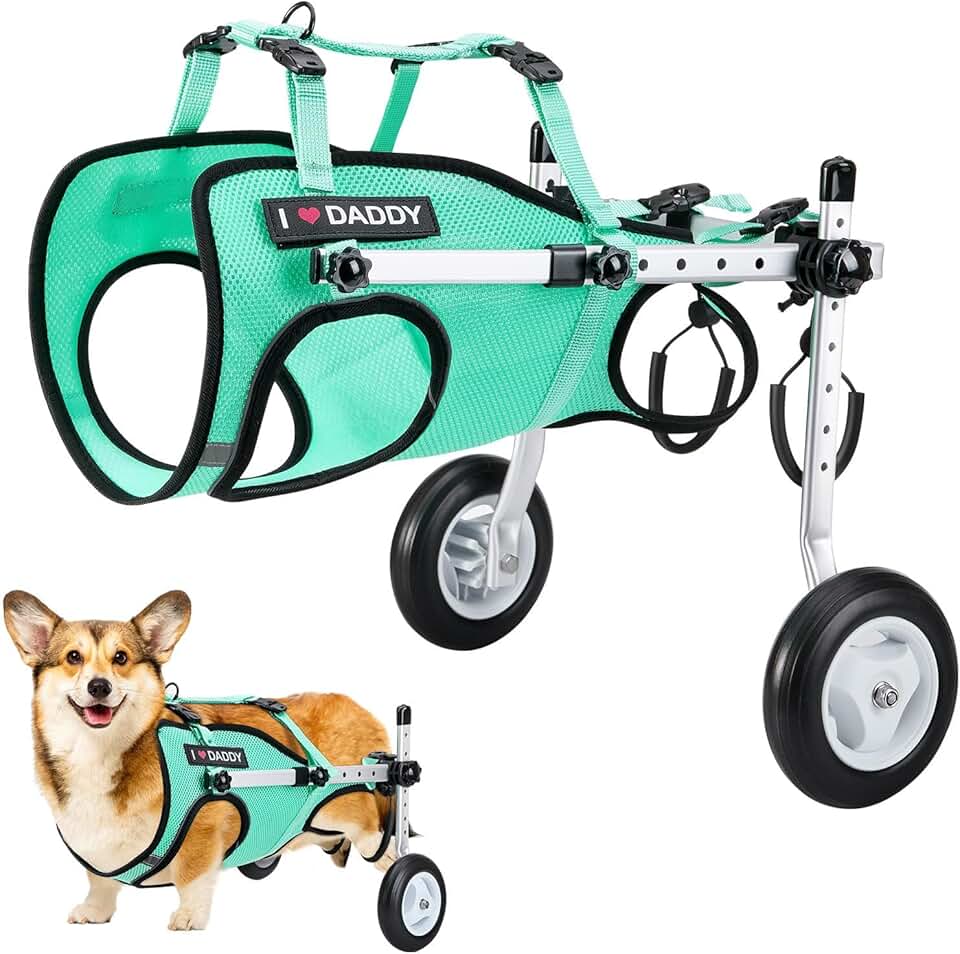
The Nasjac Dog Wheelchair for back legs offers a vital lifeline for pets struggling with mobility. Designed to assist senior, arthritic, paralyzed, injured, or otherwise disabled dogs, this portable wheelchair aims to restore some independence and improve their quality of life. It’s an investment in your furry friend’s well-being, allowing them to move with greater ease and comfort.
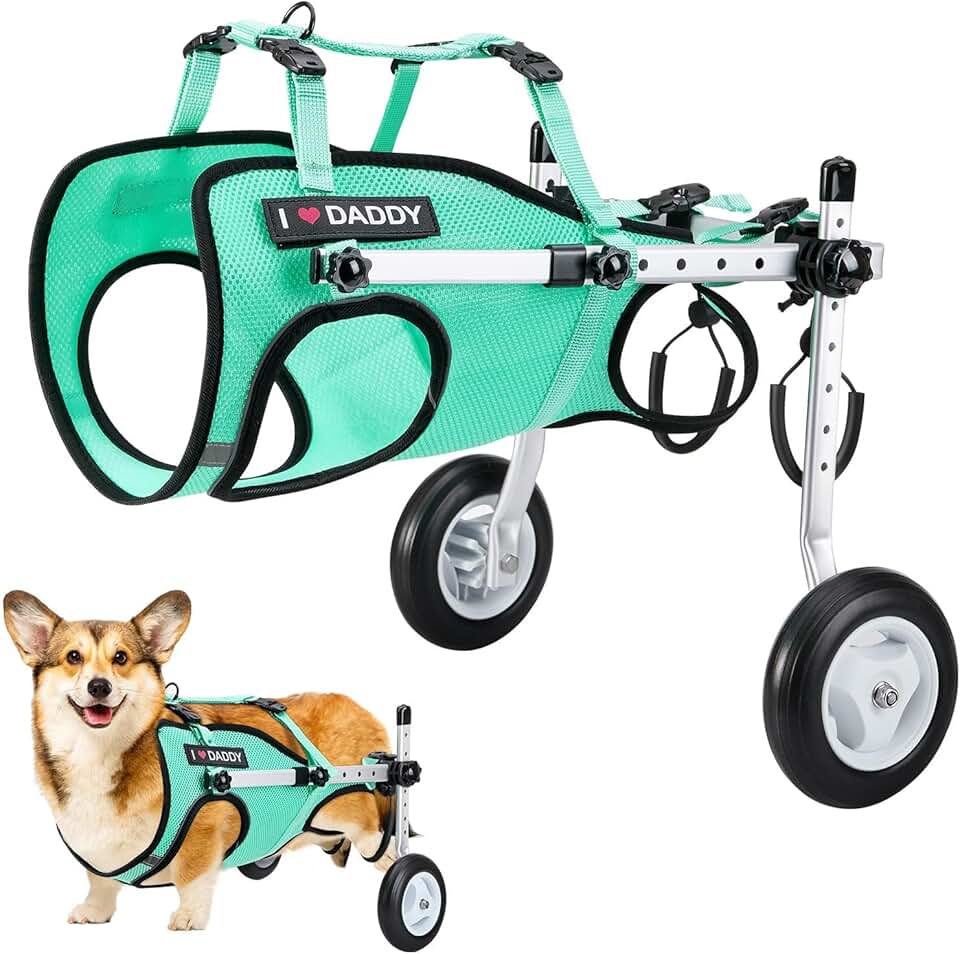
Quick Summary: Nasjac Dog Wheelchair
Rating: 3.4/5 Stars (out of 42 reviews)
Price: $63.99 USD
Key Pros:
- Affordable Mobility Solution: Provides a cost-effective way to restore mobility for dogs with back leg issues, making it accessible for many pet owners.
- Lightweight & Portable: Its design emphasizes ease of transport and storage, allowing pets to maintain activity both indoors and outdoors.
- Adjustable Design: Features multiple adjustment points for height, length, and width, aiming to provide a comfortable and custom fit for various dog sizes.
Key Cons:
- Durability Concerns: Some users report issues with the quality of materials or construction, suggesting it may not withstand heavy, long-term use.
- Limited Stability & Support: The lightweight frame, while good for portability, may compromise stability, especially for larger or more active dogs, leading to potential tipping or discomfort.
Table of Contents
Nasjac Dog Wheelchair Overview
The Nasjac Dog Wheelchair is designed specifically to provide support for dogs experiencing weakness or paralysis in their hind legs. It offers a practical and compassionate solution for pet owners whose beloved companions are struggling with mobility due to age, injury, or chronic conditions.
This particular model focuses on affordability and ease of use, aiming to make mobility assistance accessible to a wider range of pet families. Its lightweight construction is a key selling point, making it easier for both the dog to maneuver and for the owner to transport. The wheelchair is not a permanent solution for all conditions but serves as an excellent aid for daily activities.
It allows dogs to get around, exercise, and enjoy the outdoors, which can significantly boost their mental and physical health. The ability to move independently can reduce anxiety and depression in pets, often seen when they lose their ability to walk. This device helps maintain their dignity and quality of life.
The Nasjac wheelchair is primarily for temporary or permanent hind leg support, meaning the dog must still have strong front legs to propel itself. It acts as a supportive frame, lifting the rear of the dog and allowing the front legs to lead the way. This design is common among entry-level and mid-range dog wheelchairs.
While the market offers various types of dog wheelchairs, the Nasjac model stands out for its balance of features and price. It’s an option for those who need a functional wheelchair without the premium cost associated with custom-built or highly specialized devices. Understanding its limitations alongside its benefits is crucial for potential buyers.
It’s important to accurately measure your dog before purchasing any wheelchair to ensure a proper fit. An ill-fitting wheelchair can cause discomfort, skin abrasions, and further injury. The adjustable nature of the Nasjac Dog Wheelchair attempts to mitigate some of these fit issues by offering flexibility.
The product’s relatively lower price point compared to high-end custom options means that some compromises may be present in terms of materials or overall robustness. However, for many dogs and their owners, the ability to regain even partial mobility at an accessible price is invaluable. It opens up opportunities for walks, playtime, and a more engaged life.
Many pet owners report a significant improvement in their dog’s mood and energy levels once they start using a wheelchair. The psychological benefits of being able to explore and interact with their environment again are profound. It’s not just about physical support; it’s about emotional well-being too.
For more general information on assistive devices for animals, you can refer to resources like Wikipedia’s article on Animal Locomotion or veterinary guides on canine rehabilitation.
Nasjac Dog Wheelchair Key Features & Specs
The Nasjac Dog Wheelchair incorporates several design elements aimed at providing functional mobility support for dogs. Understanding these features is essential to determine if this model is suitable for your pet’s specific needs and your lifestyle.
Lightweight and Portable Construction
One of the primary advantages of the Nasjac wheelchair is its lightweight frame. This characteristic makes it significantly easier for dogs to move around without feeling overly burdened, especially for those who are already weakened. The reduced weight also simplifies handling, storage, and transportation for pet owners.
The portability factor means you can easily take the wheelchair with you on trips to the park, vet visits, or family outings. This ensures your dog can maintain an active lifestyle and participate in activities, even when away from home. Its manageable size contributes to its overall user-friendliness.
Adjustable Design for Customized Fit
The Nasjac Dog Wheelchair boasts multiple adjustable points to achieve a custom fit for a variety of dog breeds and sizes. This includes adjustments for height, length, and width, allowing the owner to fine-tune the wheelchair to their dog’s unique proportions. A proper fit is critical for comfort and preventing pressure sores.
The ability to adjust the dimensions ensures that the dog’s spine remains in a natural alignment and that their rear legs are adequately supported without dragging. This adaptability is particularly useful as dogs may gain or lose weight, or as their condition changes over time. It helps maximize the therapeutic benefits of the device.
Reflective Stripes for Enhanced Safety
Safety is a significant concern, especially when taking a mobility-impaired dog outdoors. The inclusion of reflective stripes on the Nasjac Dog Wheelchair enhances visibility in low-light conditions, such as during early morning or late evening walks. This feature is crucial for protecting your dog from potential hazards.
The reflective elements make your dog more noticeable to drivers, cyclists, and pedestrians, reducing the risk of accidents. This thoughtful addition provides peace of mind for owners who want to ensure their pet’s safety during outdoor excursions, especially in urban or busy areas.
Comfortable Harness System
While not explicitly detailed, a functional dog wheelchair relies on a comfortable and secure harness system. The Nasjac model typically includes padded straps and a chest/belly harness to distribute pressure evenly and prevent chafing. This ensures the dog is securely held in place without experiencing discomfort.
The harness is designed to allow for natural movement of the front legs while providing firm support for the rear. Regular checks for fit and potential rubbing points are always recommended to maintain your dog’s comfort. A well-designed harness is key to the overall success of the wheelchair.
Durable Wheel Construction
The wheels are a critical component of any dog wheelchair, needing to withstand various terrains and regular use. The Nasjac Dog Wheelchair typically features sturdy, all-terrain wheels that can handle both indoor surfaces and outdoor environments like grass, gravel, and pavement. The quality of the wheels directly impacts the dog’s mobility and the wheelchair’s longevity.
While specific material details are often sparse, the wheels are generally designed to be durable and provide smooth rolling. Some models may offer different wheel sizes suitable for varying dog weights and activity levels. These wheels contribute to the dog’s ability to navigate their surroundings with relative ease.
Designed for Back Leg Support
This wheelchair is specifically engineered for dogs with weakness or paralysis in their back legs. It provides the necessary lift and support to enable them to walk, run, and play using their stronger front limbs. It is not designed for dogs with front leg issues or full body paralysis.
The design ensures that the dog’s hindquarters are elevated, preventing dragging and potential injury. This targeted support is essential for conditions like degenerative myelopathy, hip dysplasia, arthritis, and post-operative recovery affecting the rear limbs. It empowers dogs to continue their active lives.
The combination of these features makes the Nasjac Dog Wheelchair a viable option for many pet owners seeking an affordable and functional mobility aid. Its adjustability and portability are particularly beneficial for ensuring a good fit and ease of use in various situations. Always consider your dog’s specific condition and measurements when evaluating this product.
Pros & Cons
Evaluating the advantages and disadvantages of the Nasjac Dog Wheelchair is crucial for making an informed purchase decision. While it offers significant benefits for many pets, it also comes with certain limitations that potential buyers should consider.
Pros:
- Affordable Mobility Solution: The Nasjac Dog Wheelchair is notably more budget-friendly than many custom-built or premium brand alternatives. This makes vital mobility support accessible to a wider range of pet owners who might otherwise struggle to afford such a device. Its price point is a major draw for those needing a functional solution without breaking the bank.
- Lightweight and Portable: The design prioritizes minimal weight, which is beneficial for both the dog and the owner. A lighter wheelchair is easier for a dog to maneuver, reducing strain on their front limbs. For owners, it means easier lifting, transportation in a car, and storage when not in use, enhancing its practicality for daily life and travel.
- Adjustable for a Better Fit: With adjustable height, length, and width, this wheelchair attempts to accommodate various dog sizes and shapes. This adaptability is key to ensuring a comfortable and ergonomic fit, which is essential for preventing pressure points and ensuring the dog can move naturally. A good fit can significantly impact the dog’s willingness to use the device.
- Restores Independence and Quality of Life: For dogs suffering from hind leg mobility issues, a wheelchair can dramatically improve their quality of life. It allows them to walk, explore, socialize, and engage in activities they once enjoyed, reducing frustration and depression. This restoration of independence is often the most profound benefit for both pet and owner.
- Reflective Stripes for Safety: The inclusion of reflective stripes is a practical safety feature. It increases the dog’s visibility during walks in low-light conditions, such as dawn, dusk, or nighttime. This helps protect your pet from potential accidents with vehicles or pedestrians, offering added peace of mind.
- Easy Assembly and Disassembly: Many users appreciate that the Nasjac wheelchair is relatively straightforward to assemble and disassemble. This ease of setup contributes to its portability and makes it less intimidating for owners to manage. Simple maintenance and adjustments are also generally achievable without specialized tools.
Cons:
- Durability Concerns with Materials: Given its lower price point, some users report that the materials and construction may not be as robust as higher-end models. This can lead to concerns about long-term durability, especially for very active dogs or those used in rugged outdoor environments. Components might wear out faster than expected.
- Potential for Instability, Especially for Larger Dogs: The lightweight frame, while good for portability, can sometimes compromise stability. Larger or more energetic dogs might find the wheelchair less stable, potentially leading to tipping or difficulty navigating uneven terrain. This can be a significant concern for safety and confidence.
- Limited Comfort Features Compared to Premium Models: While adjustable, the padding and harness system might not offer the same level of ergonomic comfort or customization as more expensive, specialized wheelchairs. Some dogs might experience chafing or discomfort if not properly fitted and monitored, requiring owners to potentially add their own padding.
- Learning Curve for Dogs and Owners: Introducing a wheelchair to a dog often involves a period of adjustment. Some dogs adapt quickly, while others may be hesitant or fearful initially. Owners also need to learn how to properly fit, adjust, and assist their dog with the device, which can require patience and consistency.
- Not Suitable for All Types of Mobility Issues: This wheelchair is specifically designed for hind leg support. It is not appropriate for dogs with significant front leg weakness, full paralysis, or severe neurological conditions that affect overall balance. It requires the dog to have sufficient front limb strength to propel itself.
In summary, the Nasjac Dog Wheelchair provides an accessible entry point into canine mobility assistance. Its affordability and adjustable, lightweight design are strong positives, offering many dogs a chance at renewed independence. However, potential buyers should be aware of possible trade-offs in durability and advanced comfort features, especially when compared to more expensive, specialized options. Careful consideration of your dog’s specific needs and temperament is essential.
Who Should Buy the Nasjac Dog Wheelchair?
The Nasjac Dog Wheelchair is an excellent option for a specific demographic of pet owners and their canine companions. Understanding its ideal user profile can help you determine if this particular model is the right choice for your situation.
Owners Seeking an Affordable Mobility Solution
If budget is a primary concern but you still want to provide your dog with quality mobility assistance, the Nasjac wheelchair presents a compelling case. Its price point makes it accessible to many who might find higher-end, custom wheelchairs prohibitively expensive. This allows more dogs to experience the benefits of supported movement.
Dogs with Hind Leg Weakness or Paralysis
This wheelchair is specifically designed for dogs that have lost function in their back legs but retain strength in their front limbs. Conditions such as degenerative myelopathy, hip dysplasia, arthritis, disc disease, or recovery from certain surgeries often lead to this type of mobility impairment. For these dogs, the Nasjac offers crucial support.
Pets Needing Temporary or Intermittent Support
For dogs recovering from surgery or injury where mobility is expected to improve over time, a temporary and adjustable solution like the Nasjac is ideal. It can also be great for older dogs who only need assistance for longer walks or specific activities, rather than constant use. Its portability makes it easy to bring out when needed.
Owners Prioritizing Portability and Ease of Use
If you need a wheelchair that is easy to transport, store, and set up, the lightweight and adjustable nature of the Nasjac will appeal to you. It’s suitable for owners who frequently travel with their pets or who have limited storage space at home. The straightforward assembly is also a significant advantage for busy pet parents.
Dogs That Are Still Motivated to Move
A dog’s temperament and motivation play a huge role in adapting to a wheelchair. The Nasjac Dog Wheelchair is best suited for dogs who still have a strong desire to be active and explore, even with their limitations. Their willingness to use their front legs to propel themselves is crucial for the success of this device.
Small to Medium-Sized Dogs
While adjustable, the lightweight frame might be less stable for very large or exceptionally heavy dog breeds, particularly those with very high energy levels. It tends to perform best for small to medium-sized dogs where the frame’s stability is less of a concern relative to their weight and power. Always check the manufacturer’s weight and measurement guidelines.
Ultimately, the Nasjac Dog Wheelchair is a practical and compassionate choice for pet owners who are looking for an effective, yet affordable, solution to help their dog regain mobility and enjoy a better quality of life. It’s an investment in their happiness and continued companionship.
It is important to consult with your veterinarian before introducing any mobility aid to your dog. They can provide guidance on whether a wheelchair is appropriate for your dog’s specific condition and offer advice on proper usage and rehabilitation exercises. A vet can also help you understand the long-term prognosis and care plan for your beloved pet.
The decision to get a wheelchair for your dog is a deeply personal one, driven by love and a desire to provide the best possible care. The Nasjac Dog Wheelchair offers a pathway to fulfilling that desire without an exorbitant financial burden. It empowers pets to live more fully and brings joy back into their daily routines.
FAQ about Nasjac Dog Wheelchair
Q1: How do I know if the Nasjac Dog Wheelchair will fit my dog?
A1: The Nasjac Dog Wheelchair is designed with adjustability in mind, featuring customizable height, length, and width. To ensure the best fit, you must accurately measure your dog according to the manufacturer’s guidelines, which are typically found on the product page. Key measurements include hind leg height (from ground to back), body length, and hip width. Comparing these to the wheelchair’s adjustable range is crucial.
An improper fit can cause discomfort, chafing, or even injury, so taking precise measurements is non-negotiable. If your dog falls between sizes or at the extreme ends of the size chart, consider reaching out to the manufacturer or consulting a vet for advice. A well-fitted wheelchair will significantly improve your dog’s comfort and willingness to use it.
Q2: Can my dog go to the bathroom while using the Nasjac Dog Wheelchair?
A2: Yes, the design of the Nasjac Dog Wheelchair, like most quality dog wheelchairs, allows for your dog to relieve themselves naturally while wearing it. The rear section is typically open or strategically designed to avoid interfering with urination or defecation. This is a critical aspect of any functional dog mobility aid.
Your dog’s rear legs are suspended, but their hindquarters remain in a position that permits normal bodily functions. It’s important to ensure the harness and leg loops are adjusted correctly to facilitate this without causing any obstruction. This feature allows your dog to maintain hygiene and independence.
Q3: How long does it take for a dog to get used to the Nasjac Dog Wheelchair?
A3: The adjustment period varies greatly from dog to dog. Some dogs may adapt within minutes or hours, especially if they are highly motivated to move. Others might take several days or even weeks to become comfortable and confident in the Nasjac Dog Wheelchair.
Patience, positive reinforcement, and short, supervised sessions are key to successful adaptation. Start with very brief periods, gradually increasing the duration as your dog becomes more accustomed to the device. Using treats, praise, and favorite toys can help create a positive association with the wheelchair. Never force your dog to use it if they are showing extreme distress.
Q4: Is the Nasjac Dog Wheelchair suitable for all terrains?
A4: The Nasjac Dog Wheelchair is generally designed with sturdy wheels that can handle a variety of common terrains, including indoor floors, pavement, grass, and light gravel. Its lightweight nature can also make it easier for dogs to maneuver on slightly uneven surfaces. However, it may not be ideal for extremely rough, muddy, or deeply sandy terrains.
For very challenging off-road conditions, more specialized wheelchairs with larger, more robust tires and suspension systems might be necessary. Always supervise your dog on new terrains to ensure their safety and the wheelchair’s stability. The reflective stripes are particularly useful for outdoor adventures.
Q5: Can my dog lie down or sleep in the Nasjac Dog Wheelchair?
A5: Generally, it is not recommended for your dog to lie down or sleep in the Nasjac Dog Wheelchair. While some dogs might be able to sit or briefly rest in a modified position, the wheelchair is primarily designed for active movement and support while standing or walking. Lying down in it can be uncomfortable, awkward, and potentially lead to pressure sores or improper spinal alignment.
The wheelchair should typically be removed when your dog is resting, eating, or sleeping. Providing a comfortable, padded bed for these times is essential for their overall well-being. Always prioritize your dog’s comfort and safety by using the wheelchair as intended for mobility assistance.
Q6: What kind of dogs benefit most from the Nasjac Dog Wheelchair?
A6: The Nasjac Dog Wheelchair primarily benefits dogs with hind leg mobility issues who still possess strong front limb function. This includes dogs suffering from conditions such as degenerative myelopathy, hip dysplasia, severe arthritis, intervertebral disc disease (IVDD), paralysis from injury or stroke, and those recovering from hind leg surgeries. It helps restore their ability to walk, run, and maintain an active lifestyle.
It is particularly well-suited for senior dogs whose back legs are weakening with age, providing them with the support needed to continue enjoying walks and outdoor activities. Dogs with neurological conditions affecting the hindquarters also find significant relief and independence through such devices. The key is that they must be able to propel themselves forward using their front legs.
Final Verdict
The Nasjac Dog Wheelchair stands out as an outstanding value for pet owners seeking an affordable yet functional mobility solution for their dogs with hind leg issues. While its 3.4-star rating suggests some users encountered challenges, its core promise of restoring independence at a competitive price point remains highly appealing. It’s a compassionate choice for pets struggling with age, injury, or illness.
Its lightweight and adjustable design are significant advantages, making it easier for both dogs to maneuver and owners to manage. The reflective stripes add a crucial safety element, especially for those evening walks. For many dogs, regaining the ability to move and explore can dramatically improve their mental and physical well-being, transforming their lives.
However, it’s essential to approach this purchase with realistic expectations. While it offers excellent value, some compromises in long-term durability or advanced comfort features might be present compared to much more expensive, custom-built alternatives. For larger, more powerful dogs, stability could be a minor concern, necessitating careful supervision.
This wheelchair is particularly well-suited for small to medium-sized dogs with hind leg weakness who are still highly motivated to move. Owners prioritizing portability, ease of use, and an accessible price will find the Nasjac Dog Wheelchair to be a commendable option. Always ensure accurate measurements and consult with your veterinarian to confirm its suitability for your pet’s specific condition.
In conclusion, if you’re looking for an effective, budget-friendly way to enhance your dog’s mobility and quality of life, the Nasjac Dog Wheelchair is certainly worth considering. It empowers dogs to live more fulfilling lives, bringing joy and activity back into their routines. It’s a testament to the fact that providing comfort and mobility for our furry friends doesn’t always have to come with a premium price tag.