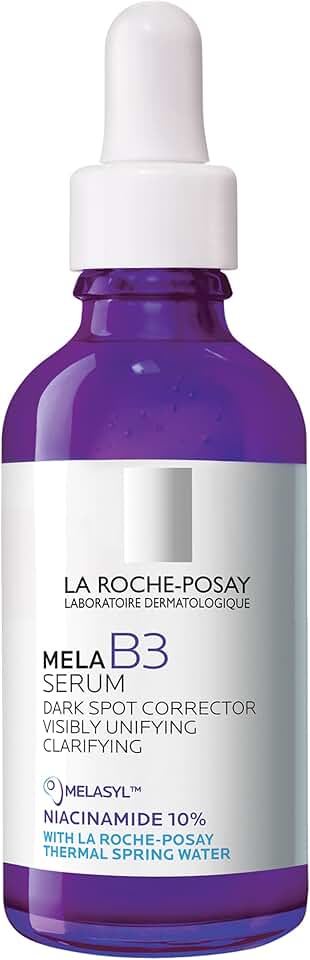
The La Roche-Posay Mela B3 Serum emerges as a significant contender in the realm of skincare, specifically targeting persistent dark spots and discoloration. This innovative serum promises to deliver visible improvements for various skin concerns, leveraging a powerful blend of active ingredients. We will delve into its formulation, efficacy, and overall value for consumers seeking a brighter, more even complexion.
Quick Summary: La Roche-Posay Mela B3 Serum
- Rating: 4.3 out of 5 stars (12,538 reviews)
- Price: $60.99 USD
Key Pros:
- Targets various dark spots effectively, including sun spots and post-acne marks.
- Features a novel ingredient, Melasyl, combined with 10% Niacinamide for comprehensive action.
- Suitable for sensitive skin and non-comedogenic, making it widely accessible.
Key Cons:
- Higher price point compared to some other dark spot correctors.
- Results may vary depending on the severity and type of discoloration.
Table of Contents
La Roche-Posay Mela B3 Serum Overview
The La Roche-Posay Mela B3 Serum represents a significant advancement in the brand’s extensive skincare portfolio, specifically formulated to tackle hyperpigmentation. This product is designed to address a spectrum of dark spots, including those caused by sun exposure, aging, and post-inflammatory hyperpigmentation from acne. Its unique formulation aims to provide visible results, making it a promising solution for many.
Developed with dermatologists, this serum is a testament to La Roche-Posay’s commitment to scientific innovation and skin health. It incorporates a newly patented ingredient, Melasyl, which works in synergy with established active components like Niacinamide. The goal is to not only reduce existing dark spots but also to prevent their recurrence, offering a comprehensive approach to skin brightening.
Understanding the science behind dark spots is crucial for appreciating the serum’s design. Hyperpigmentation occurs when there is an overproduction of melanin, the pigment responsible for skin color. This can be triggered by various factors, including UV radiation, hormonal changes, inflammation, and injury to the skin. The Mela B3 Serum targets these mechanisms at multiple levels.
The texture of the La Roche-Posay Mela B3 Serum is generally described as lightweight and fast-absorbing, which is a key factor for user compliance. A pleasant texture ensures that the serum can be easily integrated into daily skincare routines, whether applied in the morning or evening. It layers well under other products, including moisturizers and sunscreens, without leaving a sticky residue.
Consumer feedback often highlights the serum’s tolerability, even for individuals with sensitive skin, a hallmark of La Roche-Posay products. This is attributed to its gentle formulation, free from common irritants like parabens and fragrances. Such considerations are vital for a product intended for daily use, especially on delicate facial skin.
The serum’s efficacy is often measured by the reduction in the appearance of dark spots and the improvement in overall skin tone uniformity. Clinical studies and user trials typically assess these parameters over several weeks of consistent use. Initial results might be subtle, with more pronounced changes observed after prolonged application, as is common with pigmentation treatments.
Positioned as a premium dark spot corrector, the La Roche-Posay Mela B3 Serum competes within a crowded market segment. Its success hinges on its ability to deliver superior results and maintain a strong safety profile. The brand’s reputation for dermatologist-recommended products certainly gives it a competitive edge in gaining consumer trust and loyalty.
The product comes in a sleek, dropper-style bottle, which facilitates hygienic and precise application. This packaging helps to protect the active ingredients from degradation due to exposure to air and light, ensuring the serum maintains its potency throughout its shelf life. Proper storage is always recommended to preserve product integrity.
In summary, the La Roche-Posay Mela B3 Serum is presented as a sophisticated solution for those struggling with various forms of hyperpigmentation. Its innovative ingredient complex, coupled with a gentle and user-friendly formulation, positions it as a strong contender for individuals seeking to achieve a more radiant and even skin complexion. This overview sets the stage for a deeper dive into its specific features and benefits.
La Roche-Posay Mela B3 Serum Key Features & Specs
The effectiveness of the La Roche-Posay Mela B3 Serum lies in its meticulously crafted formulation, featuring several standout ingredients and characteristics. These elements work synergistically to provide a targeted approach to dark spot correction and overall skin brightening. Understanding these features is key to appreciating the serum’s potential.
One of the most innovative components is Melasyl, a newly patented ingredient developed by La Roche-Posay. This molecule is designed to intercept excess melanin precursors before they form visible dark spots. This proactive approach helps to prevent new hyperpigmentation from appearing while working on existing discoloration, offering a dual-action benefit.
Complementing Melasyl is a potent concentration of 10% Niacinamide, also known as Vitamin B3. Niacinamide is a well-researched ingredient celebrated for its ability to reduce the transfer of melanin to the skin’s surface, thereby diminishing the appearance of dark spots. It also boasts anti-inflammatory properties, which can help calm irritated skin and reduce redness associated with post-acne marks.
The serum also includes Thermal Spring Water, a signature ingredient in La Roche-Posay products, sourced from the town of La Roche-Posay in France. This water is rich in selenium and trace elements, known for its soothing, antioxidant, and pre-biotic properties. It helps to calm the skin, reduce irritation, and support a healthy skin barrier, making the serum suitable even for sensitive skin types.
Another important characteristic is its dermatologist-tested formula. This ensures that the product has undergone rigorous testing under the supervision of dermatologists to confirm its safety and efficacy. Such testing is crucial for skincare products, especially those targeting specific concerns like hyperpigmentation, to minimize the risk of adverse reactions.
The serum is also formulated to be non-comedogenic, meaning it will not clog pores. This feature is particularly important for individuals prone to acne or breakouts, as clogged pores can exacerbate these conditions. A non-comedogenic product allows the skin to breathe and reduces the likelihood of new blemishes forming.
Furthermore, the La Roche-Posay Mela B3 Serum is typically fragrance-free and paraben-free. The absence of these common irritants significantly reduces the potential for allergic reactions or sensitivities, making it a safer choice for a broader range of users, especially those with reactive or delicate skin. This aligns with La Roche-Posay’s commitment to minimalist and gentle formulations.
The product’s texture is described as a lightweight, non-greasy serum that absorbs quickly into the skin. This ensures that it can be seamlessly incorporated into any skincare routine, whether used alone or layered with other serums, moisturizers, or sunscreens. A pleasant user experience often encourages consistent application, which is vital for achieving desired results in pigmentation correction.
Regarding usage, the recommended application is typically a few drops applied to the face, neck, and décolleté morning and evening. Consistent daily use, coupled with daily sun protection, is emphasized for optimal results. Sun protection is critical when treating hyperpigmentation, as UV exposure is a primary trigger for melanin production.
The typical packaging includes a dropper bottle, which allows for precise and hygienic dispensing of the product. This design helps to prevent contamination and ensures that the active ingredients remain stable and potent throughout the product’s lifespan. The standard size is usually around 30ml (1 fl oz), providing a good supply for several weeks of regular use.
The La Roche-Posay Mela B3 Serum is designed for all skin tones and types, including sensitive skin. Its comprehensive approach to dark spot correction, combining novel and established ingredients, positions it as a powerful tool in the fight against hyperpigmentation. These key features underscore its potential to deliver visible improvements in skin clarity and evenness.
Pros & Cons of the Mela B3 Serum
Evaluating any skincare product requires a balanced look at both its advantages and potential drawbacks. The Mela B3 Serum, while highly promising, is no exception. Understanding these points can help consumers make an informed decision about whether this product aligns with their specific skin concerns and expectations.
Pros of the La Roche-Posay Mela B3 Serum:
- Innovative Melasyl Technology: The inclusion of Melasyl is a significant advantage, offering a novel mechanism to target melanin overproduction. This ingredient works at an early stage of melanin formation, potentially preventing dark spots before they fully develop, which is a cutting-edge approach in hyperpigmentation treatment.
- High Concentration of Niacinamide: With 10% Niacinamide, the serum delivers a robust dose of this multi-beneficial ingredient. Niacinamide is known for its ability to reduce inflammation, improve skin barrier function, minimize pore appearance, and, crucially, interrupt melanin transfer to the skin’s surface, leading to a more even tone.
- Effective for Various Dark Spots: Users and clinical trials often report success in reducing the appearance of different types of hyperpigmentation, including sun spots, age spots, and post-inflammatory hyperpigmentation (PIH) from acne. This versatility makes it a comprehensive solution for many discoloration concerns.
- Suitable for Sensitive Skin: La Roche-Posay is renowned for formulating products suitable for sensitive and reactive skin. The Mela B3 Serum is no exception, being dermatologist-tested, non-comedogenic, and often free from fragrance and parabens. This broadens its appeal significantly, allowing more individuals to use it without fear of irritation.
- Fast-Absorbing, Non-Greasy Texture: The lightweight serum consistency ensures quick absorption without leaving any sticky or heavy residue. This makes it comfortable for daily use, even under makeup or other skincare layers, encouraging consistent application which is vital for treating pigmentation.
- Antioxidant and Soothing Properties: The inclusion of La Roche-Posay Thermal Spring Water provides additional benefits, including antioxidant protection and soothing effects. This helps to calm the skin, reduce redness, and reinforce the skin’s natural defenses against environmental aggressors.
- Dermatologist-Recommended Brand: La Roche-Posay is a trusted brand widely recommended by dermatologists worldwide. This professional endorsement adds a layer of credibility and assurance regarding the product’s safety and effectiveness, building consumer confidence.
Cons of the La Roche-Posay Mela B3 Serum:
- Premium Price Point: At $60.99, the Mela B3 Serum is positioned at a higher price point compared to some other dark spot correctors available on the market. This might be a barrier for budget-conscious consumers, despite its advanced formulation and brand reputation.
- Results Require Consistency and Patience: Like most hyperpigmentation treatments, visible results are not instant. Users need to commit to consistent daily application over several weeks or even months to see significant improvements. Impatient users might be disappointed if they expect rapid transformation.
- Individual Variability in Efficacy: While many users report positive outcomes, the degree of effectiveness can vary significantly from person to person. Factors like the severity, depth, and age of the dark spots, as well as individual skin biology, can influence the final results. Some may experience dramatic changes, while others might see only subtle improvements.
- Requires Concurrent Sun Protection: For the serum to be truly effective and to prevent new spots, strict daily sun protection (SPF 30 or higher) is absolutely essential. While this is true for any hyperpigmentation treatment, some users might find this an added step or burden, and neglecting it can undermine the serum’s benefits.
- Potential for Purging (Rare): Although generally well-tolerated, some individuals, especially those new to potent active ingredients like Niacinamide, might experience a temporary ‘purging’ phase, where skin may initially break out as it adjusts. This is usually transient but can be off-putting.
In conclusion, the La Roche-Posay Mela B3 Serum offers compelling advantages through its innovative science and thoughtful formulation. However, potential buyers should weigh these benefits against the investment required and the need for consistent, patient application. The decision ultimately depends on individual priorities and skin concerns.
Who Should Buy the La Roche-Posay Mela B3 Serum?
The La Roche-Posay Mela B3 Serum is specifically formulated to address a common yet challenging skincare concern: hyperpigmentation. However, it’s not a one-size-fits-all solution, and understanding its target audience can help potential users determine if it’s the right product for their needs. This section explores various profiles of individuals who would benefit most from incorporating this serum into their routine.
Firstly, individuals struggling with persistent dark spots are the primary candidates for this serum. This includes those with sun spots, often appearing as flat, brown patches on sun-exposed areas like the face, hands, and décolleté. The serum’s targeted action on melanin production makes it highly relevant for these types of discoloration.
Secondly, people experiencing post-inflammatory hyperpigmentation (PIH), which are dark marks left behind after acne breakouts, cuts, or other skin injuries, would find the Mela B3 Serum beneficial. The Niacinamide component, with its anti-inflammatory properties, can be particularly helpful in reducing the redness and subsequent darkening that often accompanies PIH.
Thirdly, those with uneven skin tone seeking an overall brighter and more uniform complexion are excellent candidates. Even if specific dark spots aren’t the main concern, the serum’s ability to regulate melanin distribution can lead to a more radiant and balanced skin appearance. It helps to fade subtle discolorations that contribute to a dull look.
Fourthly, individuals with sensitive skin who are cautious about using potent active ingredients will appreciate this formulation. La Roche-Posay’s commitment to gentle, dermatologist-tested products means the Mela B3 Serum is designed to be well-tolerated, minimizing the risk of irritation often associated with other dark spot treatments. Its fragrance-free and paraben-free nature further enhances its suitability for reactive skin.
Fifthly, people who are looking for a preventative measure against future hyperpigmentation can consider this serum. Melasyl’s mechanism of intercepting melanin precursors suggests a proactive role in preventing new spots from forming, especially when combined with consistent sun protection. This makes it suitable for those with a history of recurrent dark spots.
Sixthly, individuals who are willing to commit to a consistent skincare routine and understand that results take time will find value in the Mela B3 Serum. Hyperpigmentation correction is a gradual process, and patience combined with diligent application is crucial for achieving the best outcomes. Instant fixes are rarely sustainable in skincare.
Seventhly, those who prefer dermatologist-backed and scientifically-driven skincare products will gravitate towards La Roche-Posay. The brand’s reputation for rigorous testing and innovative ingredient research provides a sense of trustworthiness and efficacy. This serum embodies that philosophy with its patented Melasyl and high concentration of Niacinamide.
Finally, individuals who are prepared to invest in a premium dark spot corrector will find the Mela B3 Serum a worthwhile purchase. While it carries a higher price tag, its advanced formulation and potential for significant results justify the cost for those prioritizing effective treatment of their hyperpigmentation concerns. It’s an investment in skin clarity.
In summary, the La Roche-Posay Mela B3 Serum is best suited for individuals with various forms of dark spots and uneven skin tone, including those with sensitive skin, who are seeking a scientifically advanced and dermatologist-recommended solution. It requires a commitment to consistent use and an understanding that results will appear gradually, but for the right user, it offers a powerful path to a brighter and more uniform complexion.
FAQ about the La Roche-Posay Mela B3 Serum
Here are some frequently asked questions about the La Roche-Posay Mela B3 Serum, providing more detailed insights into its usage, benefits, and compatibility with different skin types and routines. These answers aim to address common consumer queries comprehensively.
Q1: How quickly can I expect to see results from the La Roche-Posay Mela B3 Serum?
A1: While individual results can vary, many users report seeing initial improvements in skin radiance and a reduction in the intensity of dark spots within 2 to 4 weeks of consistent daily use. For more significant and noticeable fading of stubborn dark spots, it is often recommended to use the serum for at least 8 to 12 weeks. Patience and consistent application are crucial for optimal outcomes.
Q2: Can I use the Mela B3 Serum if I have sensitive skin?
A2: Yes, the La Roche-Posay Mela B3 Serum is specifically formulated to be suitable for sensitive skin. It is dermatologist-tested, non-comedogenic, and typically free from common irritants like fragrance and parabens. However, as with any new skincare product, it’s always advisable to perform a patch test on a small area of skin before applying it to your entire face to ensure no adverse reaction occurs.
Q3: How should I incorporate the La Roche-Posay Mela B3 Serum into my existing skincare routine?
A3: Apply a few drops of the serum to clean, dry skin on your face, neck, and décolleté both morning and evening. After the serum has fully absorbed, you can follow up with your regular moisturizer. In the morning, always conclude your routine with a broad-spectrum sunscreen with at least SPF 30, as sun protection is paramount when treating hyperpigmentation.
Q4: Does the Mela B3 Serum help with acne scars or only dark spots?
A4: The Mela B3 Serum is primarily designed to target dark spots, including post-inflammatory hyperpigmentation (PIH) which are the dark marks left after acne has healed. It helps to fade these discolorations. However, it is not formulated to treat textural acne scars, such as ice pick, boxcar, or rolling scars. For textural scars, treatments like retinoids, chemical peels, or professional procedures might be more effective.
Q5: Is it safe to use the La Roche-Posay Mela B3 Serum during pregnancy or breastfeeding?
A5: While the Mela B3 Serum contains ingredients generally considered safe, it is always best to consult with your doctor or dermatologist before introducing any new skincare products, especially those with active ingredients, during pregnancy or while breastfeeding. They can provide personalized advice based on your specific health situation.
Q6: Can men use the La Roche-Posay Mela B3 Serum?
A6: Absolutely. Skincare products are not gender-specific. The La Roche-Posay Mela B3 Serum is effective for anyone experiencing dark spots, uneven skin tone, or post-acne marks, regardless of gender. Its lightweight texture and quick absorption make it a comfortable addition to any man’s grooming routine.
Q7: What is the primary difference between Melasyl and other dark spot ingredients like Vitamin C or Hydroquinone?
A7: Melasyl is a patented ingredient that works by intercepting excess melanin precursors before they can fully form dark spots, offering a preventative and corrective action. Vitamin C is a powerful antioxidant that brightens skin and inhibits tyrosinase, an enzyme involved in melanin production. Hydroquinone is a strong depigmenting agent that reduces melanin production by inhibiting tyrosinase and damaging melanocytes. While all aim to reduce hyperpigmentation, Melasyl represents a newer, potentially gentler approach, especially for sensitive skin, compared to the more potent effects of hydroquinone.
Q8: Does the serum contain any ingredients that could cause sun sensitivity?
A8: The Mela B3 Serum itself does not contain ingredients that inherently increase sun sensitivity in the way some retinoids or alpha hydroxy acids might. However, when treating hyperpigmentation, the skin is more vulnerable to new dark spot formation from sun exposure. Therefore, daily application of a broad-spectrum sunscreen (SPF 30+) is absolutely essential when using this serum to protect your results and prevent further damage. Sunscreen is your best friend in the fight against dark spots.
These FAQs aim to provide comprehensive answers to common questions, helping users to better understand the La Roche-Posay Mela B3 Serum and integrate it effectively into their skincare regimen. Always remember to follow product instructions and consult with a dermatologist for personalized advice.
Final Verdict on the Mela B3 Serum
After a thorough examination of its innovative formulation, key features, and user considerations, the La Roche-Posay Mela B3 Serum stands out as a formidable contender in the competitive landscape of dark spot correctors. Its blend of patented Melasyl with a high concentration of 10% Niacinamide offers a multi-pronged approach to tackling hyperpigmentation from various angles.
The serum’s ability to not only address existing dark spots but also potentially prevent new ones from forming is a significant advantage. This proactive approach, coupled with its suitability for sensitive skin, makes it an attractive option for a broad spectrum of individuals seeking a more even and radiant complexion. The brand’s commitment to dermatologist-tested and gentle formulations further enhances its appeal.
While the premium price point might be a consideration for some, the investment is justified by the advanced science and the potential for tangible results. Skincare is often a long-term commitment, and choosing a product with a strong scientific backing and a reputation for efficacy can lead to more satisfying outcomes. The positive user ratings and reviews further support its claims.
However, it is crucial to reiterate that consistency and patience are paramount. Like all hyperpigmentation treatments, the Mela B3 Serum requires diligent daily use over several weeks or months to reveal its full potential. Combining it with strict daily sun protection is non-negotiable for maximizing its benefits and preventing recurrence of dark spots.
For those who have struggled with stubborn dark spots, post-acne marks, or uneven skin tone and are seeking a gentle yet powerful solution, the La Roche-Posay Mela B3 Serum is undoubtedly worth considering. It offers a sophisticated, well-researched option for achieving a brighter, more uniform, and healthier-looking complexion. It represents a significant step forward in targeted pigment correction.
In conclusion, the La Roche-Posay Mela B3 Serum delivers on its promise of advanced dark spot correction. Its innovative ingredients, gentle formulation, and strong brand reputation make it an excellent choice for anyone serious about improving their skin’s clarity and evening out their skin tone. It’s a remarkable product that lives up to the hype for many users.
For more information on La Roche-Posay’s commitment to sensitive skin and advanced formulations, you can visit their official website at La Roche-Posay US. Additionally, for a deeper dive into the science of Niacinamide in skincare, Wikipedia offers a comprehensive overview at Niacinamide on Wikipedia.