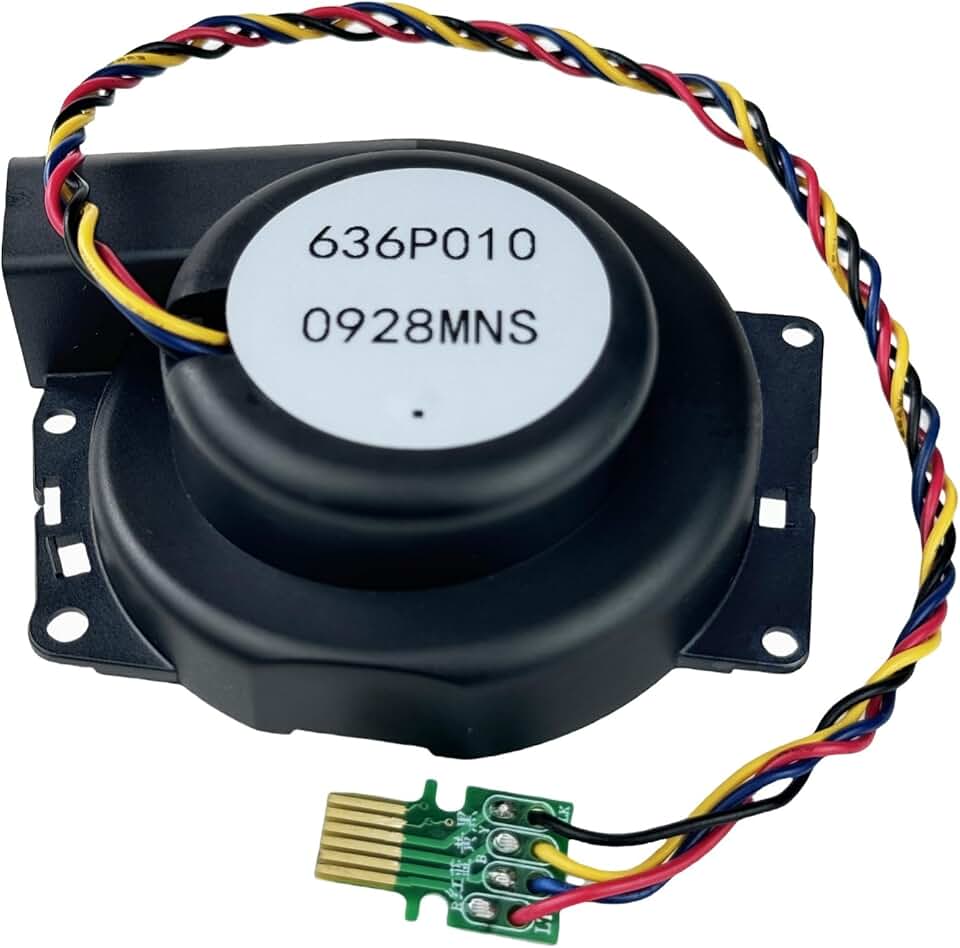
When your trusty iRobot Roomba starts losing its suction power or making unusual noises, the problem often lies with its internal components. The iRobot Roomba Fan Module is a critical part of the robot’s vacuuming system, responsible for generating the airflow necessary to pick up dirt and debris.
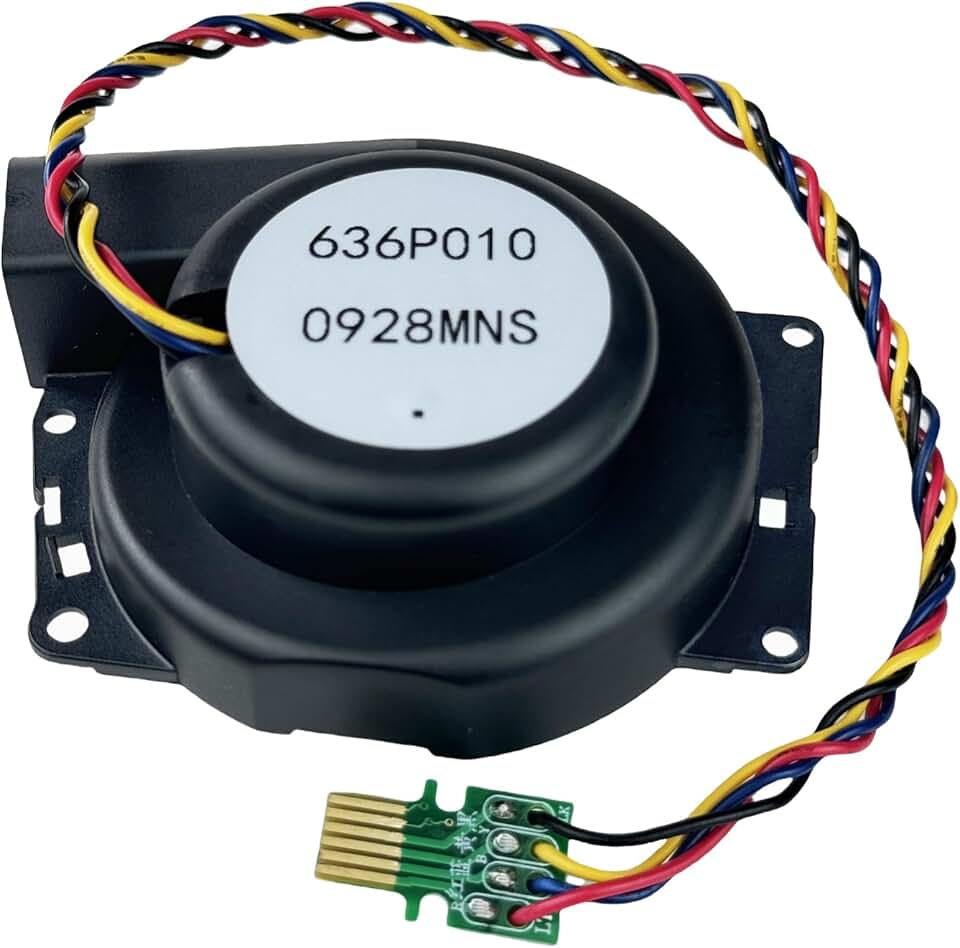
This replacement fan module offers a viable and cost-effective solution for owners of various Roomba models, including the i1 through i9, as well as the J8 and J9 series. Understanding its function and the benefits of a timely replacement can significantly extend the life and performance of your robotic vacuum.
Quick Summary: iRobot Roomba Fan Module
Rating: 4.4 out of 5 stars (from 69 reviews)
Price: $60.49
Key Pros:
- Restores powerful suction to ailing Roomba vacuums.
- Significantly more affordable than purchasing a new Roomba.
- Wide compatibility with many i and J series models.
Key Cons:
- Installation requires some technical aptitude and tools.
- Not an Original Equipment Manufacturer (OEM) part.
Table of Contents
iRobot Roomba Fan Module Overview
The iRobot Roomba Fan Module is the heart of your robot vacuum’s suction system. It houses the motor and fan assembly that creates the vacuum necessary to pull dirt, dust, and pet hair from your floors into the dustbin. When this module begins to fail, your Roomba’s cleaning performance suffers dramatically.
Common symptoms of a failing fan module include a noticeable decrease in suction power, leaving behind more debris than usual. You might also hear unusual grinding, whining, or rattling noises emanating from the robot, indicating mechanical stress or bearing failure within the motor.
This particular replacement module is designed for a broad range of iRobot Roomba models. It specifically targets the popular i-series (i1, i2, i3, i4, i5, i6, i7, i8, i9) and the newer J-series (J8, J9), ensuring wide applicability for many Roomba owners facing suction issues.
The importance of a fully functional fan module cannot be overstated. Without adequate suction, even the best brush rolls and filters cannot effectively clean your floors. A strong vacuum motor is crucial for capturing fine dust particles, allergens, and larger debris, contributing to a cleaner home environment.
Replacing the fan module is a more economical and environmentally friendly alternative to purchasing an entirely new Roomba. While it requires some DIY effort, the savings can be substantial, especially for higher-end models. This approach extends the lifespan of your existing appliance, reducing electronic waste.
The design of these replacement modules often aims to replicate the original specifications, providing a comparable level of performance. They are engineered to fit precisely into the designated compartment within your Roomba, ensuring proper air seal and efficient operation once installed correctly.
Understanding the internal workings of your Roomba, even superficially, can empower you to perform such repairs. Many online resources, including videos and guides, walk users through the replacement process, making it accessible to those with basic tool knowledge.
For many Roomba users, maintaining optimal suction is paramount for daily cleaning routines. A failing fan module can quickly turn an efficient automated cleaner into an ineffective robot. This replacement part provides a pathway back to peak performance, ensuring your Roomba continues to deliver on its promise of clean floors.
Considering the investment made in a Roomba, a relatively inexpensive part replacement to restore its core functionality is a smart decision. It’s about preserving the value of your initial purchase and ensuring consistent cleaning results without breaking the bank on a new unit.
iRobot Roomba Fan Module Key Features & Specs
The replacement iRobot Roomba Fan Module comes with several key features and specifications that are crucial for restoring your robot’s cleaning efficacy. Understanding these details helps in appreciating the value and performance of this essential component.
A primary feature is its robust construction. These modules are typically built with durable plastics and metal components designed to withstand the continuous operation and vibrations inherent in a robotic vacuum cleaner. High-quality materials contribute to the longevity of the replacement part.
The core of the module is its high-performance motor. This motor is engineered to generate powerful suction, often matching or exceeding the original specifications of the Roomba’s factory-installed motor. Efficient motor design is vital for maximizing airflow and ensuring thorough debris collection.
Integrated with the motor is a precisely balanced fan or impeller. The design of this fan is critical for creating consistent and strong airflow while minimizing turbulence and noise. A well-designed impeller ensures that air is drawn effectively from the floor surface into the dustbin.
Compatibility is another significant specification. This particular module boasts extensive compatibility with the iRobot Roomba i1, i2, i3, i4, i5, i6, i7, i8, i9, J8, and J9 series. This broad range means a single replacement part can serve many different Roomba owners, simplifying the search for the correct component.
Regarding installation, the module is designed as a direct replacement. This means it should fit seamlessly into the existing housing of your Roomba without requiring modifications. However, the process still involves disassembling parts of the Roomba, which requires a set of small screwdrivers and potentially other basic tools.
Many replacement modules are also designed with energy efficiency in mind. While providing powerful suction, they aim to operate without excessive power draw, helping to maintain your Roomba’s battery life and cleaning cycles. This balance between power and efficiency is a key consideration for everyday use.
The module often includes all necessary internal wiring and connectors, making it a plug-and-play solution once the Roomba’s casing is opened. This simplifies the electrical connection aspect of the replacement, reducing the chances of wiring errors during installation.
While not always explicitly stated, reputable aftermarket parts often adhere to certain quality control standards. These standards ensure that the module performs reliably and safely within the Roomba’s electrical and mechanical systems, preventing potential damage to other components.
The ventilation design of the motor housing is also important. Proper ventilation prevents the motor from overheating, which can prolong its operational life. Heat management is a critical aspect of any high-speed electrical motor operating in a confined space.
Ultimately, these features collectively contribute to restoring your Roomba’s ability to pick up dirt, fine particles, and pet hair effectively. A well-functioning fan module is not just about moving air; it’s about optimizing the entire cleaning process, from brush-roll agitation to filtration.
Pros & Cons of the Roomba Fan Module Replacement
Deciding whether to replace your Roomba’s fan module involves weighing its advantages against potential drawbacks. This section delves into the specific pros and cons of opting for an aftermarket iRobot Roomba Fan Module.
Pros:
- Restored Suction Power: The most significant benefit is the immediate and dramatic improvement in cleaning performance. A new fan module brings back the strong suction your Roomba had when it was new, ensuring it effectively picks up all types of debris. This means cleaner floors and a more efficient cleaning cycle, making your Roomba truly effective again.
- Cost-Effective Repair: Replacing a single component like the fan module is substantially cheaper than purchasing a brand-new iRobot Roomba. Given the high cost of new robotic vacuums, this repair can save you hundreds of dollars, making it a very budget-friendly solution for extending your appliance’s life.
- Extended Roomba Lifespan: By addressing a critical component failure, you prevent your Roomba from being prematurely retired. This repair allows you to continue using an otherwise perfectly functional robot, maximizing your initial investment and getting more years of service from it.
- Wide Compatibility: This specific replacement module is compatible with a broad range of popular i and J series Roomba models. This wide applicability simplifies the process of finding the right part, as it covers many common Roomba versions, reducing uncertainty for owners.
- Environmental Benefit: Opting for repair over replacement reduces electronic waste. By extending the life of your Roomba, you contribute to sustainability efforts and lessen your environmental footprint, which is an increasingly important consideration for conscious consumers.
- DIY Satisfaction: For those who enjoy tinkering or are mechanically inclined, successfully replacing a key component can provide a sense of accomplishment. It’s a practical skill that can be applied to other home appliance repairs, building confidence in your DIY abilities.
- Quick Resolution: Once you have the replacement module, the repair can often be completed within an hour or two, depending on your skill level. This means minimal downtime for your Roomba, allowing it to return to its cleaning duties swiftly.
Cons:
- Installation Challenge: Replacing the fan module requires disassembling a significant portion of your Roomba. This process can be intricate, involving numerous screws and delicate connectors. It demands patience, attention to detail, and a certain level of technical comfort, making it potentially challenging for novices.
- Not Original Equipment Manufacturer (OEM) Part: This replacement is an aftermarket product, not manufactured by iRobot. While many aftermarket parts are high quality, there’s always a slight chance of minor differences in materials, fit, or long-term performance compared to an OEM part.
- Potential for Warranty Void: If your Roomba is still under its original manufacturer’s warranty, performing a non-authorized repair with aftermarket parts will almost certainly void that warranty. This is a crucial consideration for owners of newer models.
- Risk of Further Damage: Incorrect installation can lead to unintended consequences. Stripped screws, damaged ribbon cables, or improperly connected components can render your Roomba inoperable or cause new issues, potentially turning a simple repair into a more costly problem.
- Variable Quality Among Aftermarket Parts: While this specific product has a good rating, the aftermarket can be a mixed bag. Without direct brand oversight, the consistency of quality can sometimes vary between different manufacturers of similar replacement parts.
Who Should Buy the iRobot Roomba Fan Module?
The decision to purchase an iRobot Roomba Fan Module replacement is best suited for specific types of Roomba owners. Understanding your own capabilities and needs will help determine if this repair is the right path for you.
First and foremost, this product is ideal for DIY enthusiasts and mechanically inclined individuals. If you enjoy taking things apart and putting them back together, or have experience with minor electronics repair, the installation process will likely be manageable for you. You’ll need patience and a steady hand.
Secondly, budget-conscious Roomba owners will find this an attractive option. The cost of a new Roomba, especially from the i or J series, can be significant. Replacing a single faulty module for around $60 is a fraction of that price, offering substantial savings while restoring full functionality.
Owners of older Roomba models that are out of warranty are prime candidates. If your Roomba is several years old and its warranty has expired, you have nothing to lose by attempting a repair yourself. It’s an opportunity to extend the life of a beloved appliance without incurring expensive professional repair fees or voiding a non-existent warranty.
If your Roomba is exhibiting clear symptoms of a failing fan module, such as significantly reduced suction, loud grinding noises, or the robot leaving noticeable debris trails, then this replacement part directly addresses that problem. It’s a targeted solution for a specific mechanical failure.
Furthermore, those who are environmentally conscious will appreciate the sustainability aspect. Repairing and extending the life of electronics reduces waste and the demand for new manufacturing, aligning with eco-friendly principles. It’s a small but meaningful step towards reducing your carbon footprint.
Users who rely heavily on their Roomba for daily cleaning and cannot afford extended downtime will also benefit. With some preparation, the repair can be completed relatively quickly, getting your robot back to work without the wait times associated with sending it for service or ordering a new unit.
This module is also suitable for individuals who value the ability to maintain their own devices. Taking ownership of the repair process can be empowering and leads to a deeper understanding of how their home appliances function. It fosters a sense of self-reliance and technical competence.
However, if you are not comfortable with intricate repairs, lack the necessary tools, or prefer not to risk damaging your Roomba, seeking professional service or considering a new unit might be a better option. It’s important to be realistic about your own comfort level and technical skills before embarking on this DIY repair.
Ultimately, the iRobot Roomba Fan Module replacement is for the practical, hands-on owner looking for an economical and efficient way to revive their robot vacuum. It’s a testament to the idea that many appliances can be given a second life with the right parts and a bit of effort.
FAQ about iRobot Roomba Fan Module
Here are some frequently asked questions regarding the iRobot Roomba Fan Module replacement, providing clarity for potential buyers and DIY repair enthusiasts.
Q1: How do I know if my Roomba fan module needs replacing?
A1: The most common signs are a significant decrease in suction power, where the Roomba leaves behind noticeable dirt or debris. You might also hear unusual noises like grinding, whirring, or a high-pitched whine emanating from the vacuum, which indicates the motor bearings are failing or the fan is obstructed. An error code related to the vacuum motor might also appear on some models.
Q2: Is this fan module compatible with my specific Roomba model?
A2: This specific replacement fan module is designed to be compatible with a wide range of iRobot Roomba i-series and J-series models. This includes the i1, i2, i3, i4, i5, i6, i7, i8, i9, as well as the J8 and J9 models. Always double-check your Roomba’s exact model number against the product description to ensure perfect compatibility before purchasing.
Q3: Is the installation difficult, and what tools do I need?
A3: The installation process requires some technical aptitude and patience. It involves disassembling the Roomba’s chassis, which typically requires a small Phillips head screwdriver. You may also need a flathead screwdriver or a plastic prying tool to carefully separate plastic components without causing damage. There are many helpful video tutorials online that guide you step-by-step through the process.
Q4: Will replacing the fan module void my Roomba’s warranty?
A4: Yes, performing unauthorized repairs or using non-OEM (Original Equipment Manufacturer) parts on your Roomba will almost certainly void its manufacturer’s warranty. If your Roomba is still under warranty, it is generally recommended to contact iRobot customer support for service options. This replacement is best suited for units outside their warranty period.
Q5: How does this aftermarket part compare to an original iRobot fan module?
A5: Aftermarket fan modules aim to replicate the performance and fit of original iRobot parts. While often effective and significantly more affordable, there can sometimes be minor differences in material quality or longevity. However, many users report comparable suction power and overall performance, making them a viable alternative to costly OEM replacements.
Q6: What are the benefits of replacing just the fan module instead of buying a new Roomba?
A6: The primary benefits are cost savings and environmental impact. Replacing the fan module is considerably cheaper than buying a new Roomba, extending the life of your current robot. This also reduces electronic waste, contributing to a more sustainable consumption pattern. It’s a targeted repair that addresses a specific failure point.
Q7: How can I maximize the lifespan of my new fan module?
A7: To maximize the lifespan, regularly clean your Roomba’s dustbin and filters to prevent obstructions that can strain the motor. Avoid running the Roomba over excessively wet surfaces or very fine dust (like drywall dust) that can clog the motor. Periodically inspect the fan area for hair or debris accumulation and clear it carefully. Ensuring proper filter maintenance is key to protecting the motor.
Q8: Does this replacement module affect noise levels?
A8: A new fan module should typically restore your Roomba to its original operating noise levels, or even reduce noise if your old module was grinding or rattling. If the new module is significantly louder than expected, it might indicate an installation issue or a defect in the module itself. A properly functioning fan motor should operate smoothly.
Final Verdict
The iRobot Roomba Fan Module replacement offers an essential and impressive solution for owners looking to revive their struggling i or J series Roomba. It directly addresses the common issue of diminished suction power and unusual noises, bringing your robotic vacuum back to peak performance without the steep cost of a new unit.
Its wide compatibility across numerous Roomba models makes it a versatile choice, and the significant cost savings over a new purchase are undeniable. While the installation process demands a degree of technical comfort, the abundance of online guides makes this a feasible DIY project for many.
For those who are handy, budget-conscious, or environmentally aware, this replacement module represents an excellent investment. It extends the life of your valuable appliance, reduces electronic waste, and ensures your home remains spotless thanks to your Roomba’s restored powerful suction.
Before committing, ensure your Roomba’s warranty has expired and you are comfortable with the disassembly process. If these conditions are met, this fan module stands out as a smart, economical, and effective repair option. It’s an impressive way to keep your Roomba cleaning effectively for years to come.
For more information on iRobot products and support, you can visit the official iRobot website. Additionally, learning more about the history and technology of robotic vacuum cleaners can be found on Wikipedia’s Robotic Vacuum Cleaner page.