
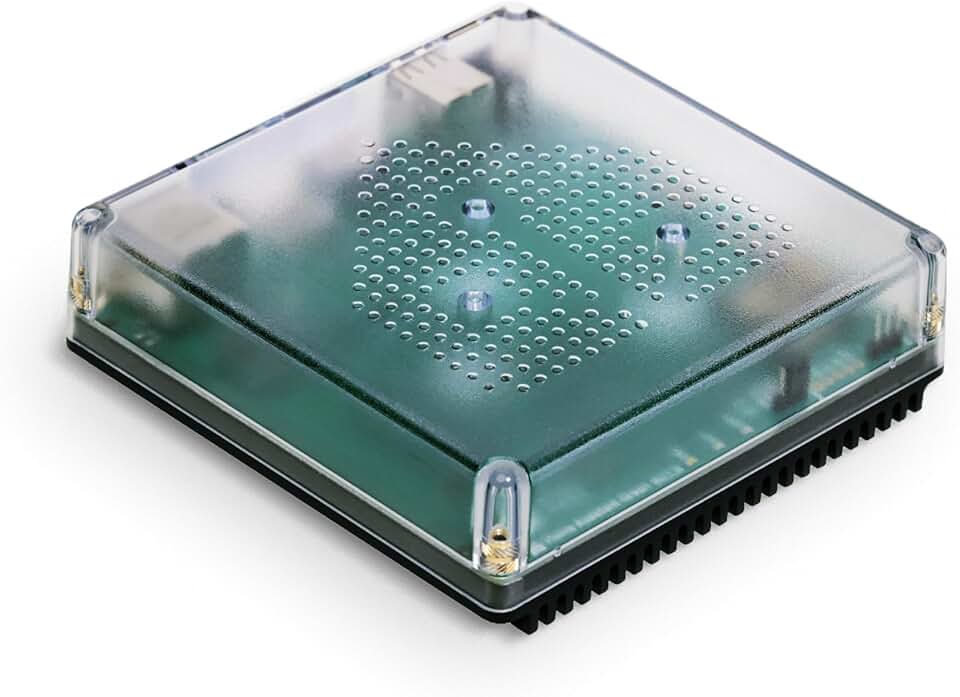
The Home Assistant Green emerges as a significant contender in the rapidly expanding smart home ecosystem, offering a dedicated hardware solution for running the powerful Home Assistant open-source automation platform. This device promises to deliver a robust, private, and highly customizable smart home experience, moving beyond the limitations often found in cloud-dependent systems. We will delve into its capabilities, performance, and overall value to help you determine if it’s the right choice for your home automation needs.

Quick Summary: Home Assistant Green
Rating: 4.5/5 Stars
Price: $219.00 USD
Key Pros:
- Dedicated hardware for Home Assistant, ensuring optimal performance and stability.
- Exceptional privacy and local control, reducing reliance on cloud services.
- Broad compatibility with thousands of smart home devices and protocols.
Key Cons:
- Requires some technical understanding for advanced configurations.
- Initial setup might be less intuitive for complete beginners compared to proprietary hubs.
Table of Contents
Home Assistant Green Overview
The Home Assistant Green is a purpose-built smart home hub designed to run the open-source Home Assistant software, providing a powerful and private foundation for your connected home. Unlike many consumer smart hubs that rely on cloud services, the Home Assistant Green prioritizes local control and data privacy. This means your automations run directly within your home network, offering enhanced responsiveness and security.
This dedicated hardware simplifies the entry point into the Home Assistant ecosystem, traditionally known for requiring a Raspberry Pi or similar DIY setup. With the Green, users get a pre-installed, optimized version of Home Assistant, making it plug-and-play for basic functionality. This accessibility lowers the technical barrier for those eager to experience advanced home automation without the complexities of manual installation.
At its core, the Home Assistant Green allows you to integrate and control an astonishing array of smart devices from different manufacturers and ecosystems. From lights and thermostats to security cameras and robotic vacuums, it acts as a central brain, enabling complex automations that cross brand boundaries. This unified control panel is a significant advantage over fragmented, app-based solutions.
The device is compact and energy-efficient, designed to operate continuously without drawing excessive power. Its discreet form factor allows it to blend seamlessly into most home environments, typically placed near your router for optimal network connectivity. The robust hardware ensures stable performance, even with a large number of connected devices and intricate automation routines.
For those interested in the underlying technology, Home Assistant is a free and open-source software project, continuously developed and supported by a vibrant global community. This community-driven approach ensures rapid innovation, frequent updates, and extensive documentation, making it a reliable choice for long-term smart home management. You can learn more about the Home Assistant project on their official website: Home Assistant Official Website.
The Home Assistant Green represents a commitment to open standards and user empowerment in the smart home space. It’s not just a device; it’s a gateway to a more controlled, private, and personalized smart living experience. Its design philosophy emphasizes ownership of your data and the ability to tailor your home’s behavior precisely to your preferences, rather than being confined by manufacturer-imposed limitations.
The initial setup process is streamlined, guiding new users through network connection and basic device discovery. While the potential for customization is vast, the core experience is accessible enough for those with a moderate technical comfort level. This balance of simplicity and depth is what makes the Home Assistant Green particularly appealing to a wide range of smart home enthusiasts.
Furthermore, the device supports various connectivity options, including Ethernet for reliable wired connections and Bluetooth for local device pairing. Its expandability through USB ports allows for the addition of Zigbee or Z-Wave dongles, further broadening its compatibility with popular smart home protocols. This flexibility ensures that your investment remains relevant as your smart home evolves.
In summary, the Home Assistant Green is more than just another smart home hub; it’s a powerful, privacy-focused, and incredibly versatile platform for building the smart home of your dreams. It offers a compelling alternative to proprietary systems by putting the user firmly in control of their data and automations. Its dedicated hardware ensures a smooth and reliable experience for both casual users and advanced tinkerers.
Home Assistant Green Key Features & Specs
The Home Assistant Green comes packed with specifications and features designed to provide a robust and efficient platform for advanced home automation. Understanding these details is crucial for appreciating its capabilities and how it stands apart from other smart home controllers. Let’s break down what makes this hub a compelling choice.
Processing Power and Memory
At the heart of the Home Assistant Green is an Amlogic S905X3 quad-core Cortex-A55 processor, clocked at 1.9 GHz. This powerful chip ensures smooth operation even with a large number of devices and complex automation routines. The device also includes 4GB of DDR4 RAM, providing ample memory for the Home Assistant operating system and add-ons to run efficiently without slowdowns.
This combination of CPU and RAM is more than sufficient for most smart home setups, allowing for rapid response times to commands and triggers. It minimizes latency, which is critical for automations like motion-triggered lighting or security alerts. The robust processing power ensures that your smart home remains responsive and reliable.
Storage and Expandability
For storage, the Home Assistant Green features 32GB of eMMC flash storage. This type of storage is known for its durability and speed, making it ideal for an always-on device like a smart home hub. The 32GB capacity offers plenty of space for the Home Assistant operating system, configuration files, and even some data logging.
Should you require more storage for backups, media, or extensive data logging, the device includes a USB 2.0 port. This allows users to connect external USB drives, expanding storage capacity as needed. The flexibility to add external storage is a significant advantage for power users or those with extensive smart home data.
Connectivity Options
Network connectivity is handled by a Gigabit Ethernet port, providing a stable and high-speed wired connection to your home network. A wired connection is generally preferred for smart home hubs due to its reliability and lower latency compared to Wi-Fi, ensuring your automations are always online and responsive.
Beyond wired Ethernet, the Home Assistant Green also includes integrated Bluetooth 5.0. This allows for direct communication with Bluetooth-enabled smart devices, such as some smart locks, sensors, or speakers. It opens up possibilities for local control of a wider range of gadgets without needing additional dongles.
Protocol Support and Expansion
Out of the box, the Home Assistant Green supports IP-based devices and Bluetooth. However, its true strength lies in its expandability. The device features two USB 2.0 ports, which can be used to add USB dongles for popular smart home protocols like Zigbee and Z-Wave.
By simply plugging in a compatible Zigbee or Z-Wave USB stick (sold separately), the Home Assistant Green transforms into a multi-protocol hub, capable of communicating with thousands of devices from various manufacturers. This flexibility is a cornerstone of the Home Assistant philosophy, allowing users to choose devices based on their needs, not just their brand.
Power Supply and Design
The Home Assistant Green is powered by a standard USB-C power adapter (included), making it convenient and energy-efficient. Its compact and minimalist design ensures it can be discreetly placed in any room without drawing undue attention. The device’s robust build quality suggests it is designed for continuous, long-term operation.
Its fanless design ensures silent operation, a crucial factor for a device that runs 24/7 in your living space. This passive cooling approach enhances reliability by eliminating moving parts that can wear out. The low power consumption also contributes to a greener, more sustainable smart home setup.
Software Pre-installed
One of the most significant features for new users is that Home Assistant OS is pre-installed. This means you don’t need to flash an SD card or perform complex installations. Simply plug it in, connect it to your network, and you’re ready to begin configuring your smart home. This ease of setup is a major draw for those new to the Home Assistant ecosystem.
The pre-installed software also comes optimized for the hardware, ensuring the best possible performance and stability right out of the box. This saves users time and potential troubleshooting, allowing them to focus on integrating devices and creating automations more quickly. For a deeper dive into smart home protocols, consider visiting an authority source like Wikipedia’s Home Automation page.
Pros & Cons
Evaluating any smart home device requires a balanced look at its advantages and disadvantages. The Home Assistant Green, while highly capable, is no exception. Understanding its strengths and weaknesses will help potential buyers make an informed decision about whether it aligns with their smart home goals and technical comfort level.
Pros of the Home Assistant Green
1. Unparalleled Local Control and Privacy
One of the most significant advantages of the Home Assistant Green is its emphasis on local control. Most automations and device communications happen within your home network, drastically reducing reliance on cloud services. This not only enhances data privacy by keeping your information off third-party servers but also improves responsiveness, as commands don’t need to travel to the internet and back.
This local-first approach means your smart home continues to function even if your internet connection goes down. Essential automations, like motion-sensor lights or scheduled heating, will still execute without interruption. For many users concerned about data security and system reliability, this is a paramount feature.
2. Broad Device Compatibility and Ecosystem Agnosticism
The Home Assistant platform, which the Green runs, boasts compatibility with thousands of smart home devices and services from virtually every manufacturer. Unlike proprietary hubs that lock you into a specific brand, the Home Assistant Green allows you to integrate devices from different ecosystems, such as Philips Hue, IKEA Tradfri, Ring, Arlo, Google Home, and Apple HomeKit, all under one unified interface.
This extensive compatibility is achieved through a vast library of integrations, constantly updated by the open-source community. It provides unparalleled flexibility, enabling users to choose the best devices for their needs without worrying about compatibility issues. You are no longer limited to one brand’s offerings.
3. Powerful Automation Capabilities
The Home Assistant Green unlocks an incredible level of automation potential, far surpassing what typical consumer hubs offer. Users can create complex, multi-conditional automations using a visual editor or YAML code, tailoring their home’s behavior to intricate scenarios. This includes advanced scheduling, conditional logic, and reactive sequences based on various sensor inputs.
From simple routines like turning on lights at sunset to sophisticated energy management or security protocols, the possibilities are virtually limitless. This depth of control is ideal for users who want their smart home to truly adapt to their lifestyle and preferences, rather than just performing basic tasks.
4. Dedicated and Optimized Hardware
As a purpose-built device, the Home Assistant Green offers optimized hardware for running the Home Assistant OS. This means you get a stable, efficient, and reliable platform right out of the box, without the need for DIY setups like Raspberry Pis. The included processor and RAM are perfectly balanced for smart home operations, ensuring smooth performance.
The pre-installed Home Assistant OS simplifies the initial setup significantly, making it more accessible to users who might be intimidated by manual installations. Its compact, fanless design ensures silent operation and low power consumption, making it an ideal always-on appliance for your home network.
Cons of the Home Assistant Green
1. Steeper Learning Curve for Beginners
While the Home Assistant Green simplifies the hardware aspect, the Home Assistant software itself can present a steeper learning curve for complete smart home beginners. Its vast capabilities and extensive customization options mean there’s a lot to learn, especially for advanced automations or troubleshooting.
Users accustomed to simpler, app-driven smart home setups might find the interface and configuration options initially overwhelming. While there’s excellent community support and documentation, it still requires a willingness to invest time in learning the platform’s intricacies. This is not a ‘set it and forget it’ solution for everyone.
2. Requires Additional Hardware for Zigbee/Z-Wave
Out of the box, the Home Assistant Green primarily supports IP-based devices and Bluetooth. To integrate popular Zigbee or Z-Wave devices, which constitute a large portion of the smart home market, users will need to purchase and connect separate USB dongles. This adds to the initial cost and setup complexity.
While this modularity offers flexibility, it means the ‘all-in-one’ aspect isn’t complete without these additional purchases. Users should factor in the cost and installation of these dongles if they plan to use a multi-protocol smart home setup. Some competing hubs include these radios built-in, offering a simpler initial experience for those specific protocols.
3. No Built-in Wi-Fi
The Home Assistant Green relies solely on a wired Ethernet connection for network access. While wired connections are generally more reliable for a hub, the lack of built-in Wi-Fi can be an inconvenience for some users. This means the hub must be placed near your router or an Ethernet drop, which might limit placement options in some homes.
For homes where running an Ethernet cable is difficult or impossible, this limitation can be a significant drawback. Users would need to consider a Wi-Fi bridge or powerline adapter, adding more complexity and potential points of failure to their network setup. This design choice prioritizes stability over placement flexibility.
Who Should Buy the Home Assistant Green?
Deciding if the Home Assistant Green is the right smart home hub for you depends heavily on your technical comfort level, your priorities for smart home control, and your existing or planned device ecosystem. This device caters to a specific segment of the smart home market, offering unparalleled power for those who seek it.
The Smart Home Enthusiast and Hobbyist
If you’re already familiar with smart home concepts, perhaps dabbling with a few devices or even a basic hub, and you’re looking to elevate your experience, the Home Assistant Green is an excellent choice. It provides the perfect platform to dive deeper into automation, offering the flexibility and power that proprietary systems often lack. This hub is designed for those who enjoy tinkering and customizing their home’s intelligence.
Hobbyists who appreciate open-source software and community-driven development will find a welcoming environment. The ability to integrate almost any device, script complex automations, and maintain local control over their data aligns perfectly with the ethos of many tech-savvy individuals. It’s a tool for building, not just using, a smart home.
Users Prioritizing Privacy and Local Control
For individuals deeply concerned about data privacy and reliance on cloud services, the Home Assistant Green is a standout option. Its core philosophy revolves around local control, meaning your personal data and automation logic stay within your home network. This significantly reduces the risk of data breaches or service outages affecting your smart home functionality.
If you’ve grown weary of companies collecting your smart home data or fear that an internet outage will render your smart home useless, the Green offers a refreshing alternative. It empowers you to be the sole guardian of your smart home’s operations and data, providing peace of mind that many cloud-based solutions cannot.
Those Seeking Unmatched Device Compatibility
Do you have a mix of smart devices from different brands—Philips Hue, Ring, TP-Link, IKEA, etc.—and find yourself juggling multiple apps? The Home Assistant Green is designed to unify them all under a single, cohesive interface. Its vast library of integrations allows for seamless communication between otherwise disparate devices.
This hub eliminates brand lock-in, giving you the freedom to choose the best devices for your needs, regardless of manufacturer. If your goal is to create a truly integrated smart home where all components work together harmoniously, the Home Assistant Green provides the necessary infrastructure.
Individuals Who Want Advanced, Custom Automations
If simple ‘if this, then that’ rules no longer satisfy your automation desires, the Home Assistant Green opens up a world of possibilities. Its powerful automation engine supports complex logic, conditions, and triggers, allowing you to create highly sophisticated routines that adapt to your home’s state, time of day, weather, and more.
Whether you want your blinds to adjust based on sunlight intensity, your heating to react to occupancy and outdoor temperature, or custom security alerts that integrate multiple sensors, the Green can handle it. This level of customization is ideal for users who envision a truly intelligent and responsive home environment.
The Home Assistant Green is not for everyone, particularly those who prefer a completely hands-off, plug-and-play experience with minimal configuration. If you’re looking for a simple hub that requires no learning and works exclusively with one brand, there are simpler, albeit less powerful, alternatives. However, for those willing to invest a little time to gain immense control and privacy, the Home Assistant Green is an exceptional investment. It provides a robust foundation for building a truly personalized and future-proof smart home system.
FAQ about Home Assistant Green
Q1: Is the Home Assistant Green difficult to set up for a beginner?
A1: While the Home Assistant Green is designed to be more user-friendly than a DIY Home Assistant setup, it still requires a moderate level of technical comfort. The initial physical setup is plug-and-play, but configuring devices and automations within the Home Assistant interface can have a learning curve for complete beginners. However, there’s extensive documentation and a supportive community to guide you.
The system’s power comes from its flexibility, which inherently means more options to learn. If you’re patient and willing to follow tutorials, a beginner can certainly succeed. It’s not as simple as proprietary hubs that offer limited functionality but often have a simpler, more restrictive setup wizard.
Q2: Does the Home Assistant Green require an internet connection to function?
A2: No, one of the primary advantages of the Home Assistant Green is its strong emphasis on local control. Most of your automations and device communications will function entirely within your local network, meaning your smart home will continue to operate even if your internet connection goes down.
An internet connection is primarily needed for initial setup, installing updates, integrating cloud-dependent services (if you choose to use them), and remote access features (like using the Home Assistant Companion app when away from home). For core functionality, local operation is key.
Q3: What smart home protocols does the Home Assistant Green support?
A3: Out of the box, the Home Assistant Green supports IP-based devices (e.g., Wi-Fi devices, Ethernet devices) and has built-in Bluetooth 5.0 for compatible devices. For popular protocols like Zigbee and Z-Wave, you will need to add a compatible USB dongle (sold separately) to one of its two USB 2.0 ports.
This modular approach allows users to expand protocol support as needed, rather than being forced into specific radios they might not use. Once a dongle is added, the Home Assistant Green can communicate with a vast ecosystem of Zigbee and Z-Wave devices from various manufacturers, offering extensive compatibility.
Q4: Can I access my Home Assistant Green remotely when I’m away from home?
A4: Yes, you can access your Home Assistant Green remotely. The most recommended and secure method is through Home Assistant Cloud, a subscription service that provides easy, secure remote access without complex network configurations. This service also supports voice assistants like Google Assistant and Amazon Alexa.
Alternatively, advanced users can set up their own remote access using methods like VPNs or reverse proxies. However, these methods require more technical expertise to configure securely. Home Assistant Cloud offers a convenient and secure solution for most users who need remote access.
Q5: Is the Home Assistant Green compatible with Apple HomeKit or Google Home?
A5: Yes, the Home Assistant Green, running the Home Assistant software, offers robust integrations with both Apple HomeKit and Google Home. You can expose your Home Assistant devices and entities to these platforms, allowing you to control them using Siri, the Home app, Google Assistant, or the Google Home app.
This means you can leverage the voice control and user interfaces of these popular ecosystems while retaining the powerful backend automation and local control of Home Assistant. It acts as a bridge, bringing your diverse smart devices into a unified experience within your preferred voice assistant platform.
Q6: What are the main differences between Home Assistant Green and a Raspberry Pi setup?
A6: The Home Assistant Green is a purpose-built device specifically designed and optimized to run Home Assistant OS, offering a more plug-and-play experience. It comes with the OS pre-installed on reliable eMMC storage, and its hardware components are selected for stability and efficiency in a smart home context.
A Raspberry Pi setup requires you to purchase the Pi, an SD card, a power supply, and then manually flash the Home Assistant OS onto the SD card. While cheaper, it can be more complex for beginners and SD cards are less reliable for continuous operation than eMMC storage. The Green provides a more polished and reliable out-of-the-box experience.
Q7: Can I use the Home Assistant Green to control my existing Wi-Fi smart devices?
A7: Absolutely. The Home Assistant Green excels at integrating Wi-Fi smart devices from various manufacturers. As long as there’s an integration available in Home Assistant for your specific Wi-Fi device or its cloud service, you can bring it under the Green’s control. This includes popular brands like TP-Link Kasa, Shelly, Tuya (with local Tuya integration), and many others.
The hub uses its Ethernet connection to communicate with your router, which then handles communication with your Wi-Fi devices. This allows for centralized control and automation of all your IP-based smart gadgets, regardless of their original app or ecosystem.
Final Verdict
The Home Assistant Green stands out as an exceptional smart home hub for those seeking ultimate control, privacy, and unparalleled flexibility in their home automation journey. It successfully bridges the gap between complex DIY solutions and restrictive proprietary systems, offering a dedicated, optimized hardware platform for the powerful Home Assistant software. Its focus on local control, broad device compatibility, and advanced automation capabilities make it a compelling choice for smart home enthusiasts and privacy-conscious users.
While it presents a steeper learning curve than simpler hubs, the investment in time is richly rewarded with a truly personalized and robust smart home experience. The ability to integrate devices from virtually any manufacturer, create intricate automations, and keep your data local provides a level of empowerment that few other systems can match. The pre-installed Home Assistant OS and optimized hardware ensure a reliable foundation for your smart home endeavors.
For individuals who are ready to move beyond basic smart home functionality and embrace a system that evolves with their needs, the Home Assistant Green represents a significant upgrade. It’s a foundational piece of hardware that enables a future-proof smart home, adaptable to new technologies and personal preferences without being tied to a single brand or cloud service. If you value control, privacy, and customization, this hub is undoubtedly worth the investment, offering a powerful core for your intelligent living space.