
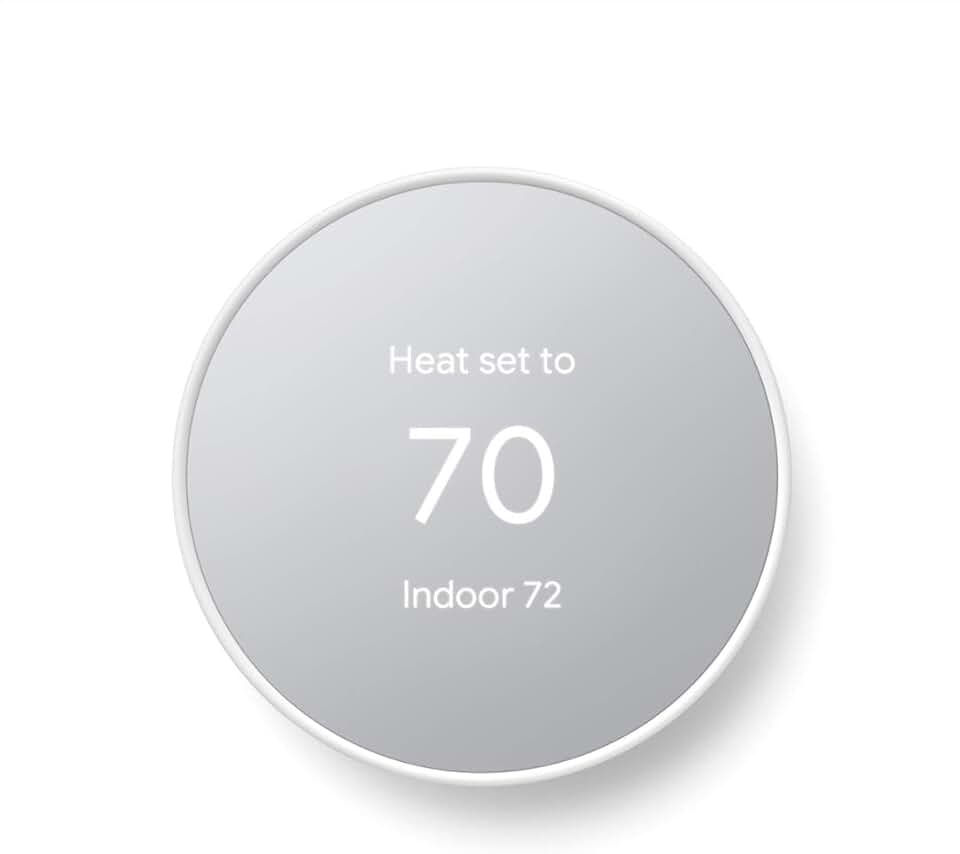
The Google Nest Thermostat marks a significant evolution in smart home climate control, offering a blend of sophisticated technology and user-friendly design. This device is engineered to simplify temperature management while actively working to reduce your energy consumption. It represents an accessible entry point into the smart thermostat market, bringing advanced features to a broader audience.
Quick Summary: Google Nest Thermostat
- Rating: 4.2/5 stars
- Price: ~$96.95 USD
- Key Pros:
- Intelligent energy-saving features and HVAC monitoring.
- Sleek, minimalist design with intuitive touch controls.
- Straightforward DIY installation and seamless app integration.
- Key Cons:
- Lacks some advanced sensors and learning capabilities of premium Nest models.
- May require a C-wire for consistent power in certain HVAC systems.
Table of Contents
Google Nest Thermostat Overview
The Google Nest Thermostat stands as a compelling option in the rapidly expanding smart home market, offering a sophisticated yet accessible approach to climate control. It’s designed to replace traditional, often clunky, thermostats with a sleek, intelligent device that prioritizes energy efficiency and user convenience. This model aims to democratize smart thermostat technology, making it more affordable without compromising on core smart features.
At its heart, the Google Nest Thermostat is much more than a simple temperature controller; it’s an intelligent hub for your home’s HVAC system. It actively works to understand your heating and cooling preferences, adapting to your schedule and helping you save on energy bills. The device leverages advanced algorithms to optimize your home’s climate, ensuring comfort when you need it and savings when you don’t.
Unlike some of its more expensive predecessors, this particular Nest model focuses on streamlined functionality and ease of use. It integrates seamlessly into the broader Google Home ecosystem, allowing for centralized control of various smart devices. This integration provides a unified experience, enhancing the overall convenience of managing your smart home environment.
Upgrading to a smart thermostat like the Google Nest Thermostat offers numerous benefits beyond just remote control. It provides granular insights into your energy usage, empowering you to make informed decisions about your home’s heating and cooling. This level of control and insight is simply not possible with conventional programmable thermostats, which often remain static once set.
The device’s design philosophy emphasizes minimalism and modern aesthetics. Its mirrored display and subtle color options, including the elegant Snow finish, allow it to blend effortlessly into any home decor. This thoughtful design ensures that the thermostat is not just a functional appliance but also an aesthetically pleasing addition to your living space.
One of the key advantages of embracing a smart thermostat is its potential environmental impact. By optimizing energy consumption, the Google Nest Thermostat contributes to a reduced carbon footprint, aligning with global efforts towards sustainability. Homeowners can feel good knowing their comfort is balanced with ecological responsibility.
Furthermore, the proactive HVAC monitoring feature is a significant value-add for homeowners. This intelligent system can detect potential issues with your heating and cooling equipment, sending timely alerts to your phone. Such early warnings can prevent minor problems from escalating into costly repairs, saving both time and money in the long run.
The Google Nest Thermostat is particularly appealing to those who are new to smart home technology or are looking for a straightforward upgrade. Its intuitive interface, managed through the Google Home app, makes programming and adjustments simple and accessible. This ease of use lowers the barrier to entry for smart home adoption, inviting more users to experience its benefits.
In essence, the Google Nest Thermostat delivers a powerful combination of smart features, energy efficiency, and elegant design at a competitive price point. It’s an ideal solution for anyone looking to modernize their home’s climate control, reduce energy costs, and enjoy the convenience of a connected living space. Its capabilities extend beyond mere temperature regulation, offering a comprehensive solution for home comfort and energy management.
Google Nest Thermostat Key Features & Specs
The Google Nest Thermostat is packed with a range of features designed to make home heating and cooling smarter, more efficient, and easier to manage. Its specifications highlight a commitment to modern aesthetics, advanced sensing, and seamless connectivity. Understanding these core components reveals why this thermostat is a standout choice for many homeowners.
One of the most striking aspects is its Sleek Design. The device features a mirrored display that elegantly reflects its surroundings, making it less obtrusive than traditional thermostats. It incorporates a touch bar on the side, allowing for intuitive control directly on the unit, complemented by various color options like Snow to match different interior styles.
The thermostat is equipped with sophisticated Sensing Capabilities. It includes an internal temperature sensor, a humidity sensor, and a Soli sensor for motion and proximity detection. These sensors work in concert to accurately monitor the indoor environment and determine occupancy, which is crucial for its energy-saving functions.
A standout feature is HVAC Monitoring. The Google Nest Thermostat can listen to your HVAC system for unusual sounds and patterns. If it detects a potential issue, such as a furnace problem or a filter that needs changing, it sends an alert to your phone, allowing for proactive maintenance and preventing costly breakdowns.
For energy efficiency, the thermostat offers several key functions. Home/Away Assist uses your phone’s location and the Soli sensor to determine if you’re home or away, automatically adjusting the temperature to save energy when no one is around. This intelligent automation removes the need for manual adjustments when leaving or returning home.
The Savings Finder feature is another powerful tool for reducing energy consumption. It constantly looks for small adjustments to your schedule that could save energy without noticeably impacting your comfort. These suggestions appear in the Google Home app, giving you the option to accept them and further optimize your energy usage.
Remote Control is central to the smart thermostat experience. Through the Google Home app, you can adjust your home’s temperature from anywhere, whether you’re at work, on vacation, or simply in another room. The app also provides detailed energy reports, allowing you to track your consumption and identify areas for improvement.
Voice control compatibility further enhances convenience. The Google Nest Thermostat works seamlessly with Google Assistant and Amazon Alexa. This means you can simply speak commands to adjust the temperature, making it easier than ever to maintain comfort without lifting a finger.
Installation is designed to be DIY-friendly. The package includes clear instructions and a trim plate to cover any marks left by your old thermostat. While many systems are compatible, it’s important to note the potential for a C-wire Requirement for consistent power, especially in systems without battery backup or older wiring configurations. Google provides tools to check compatibility before purchase.
The thermostat supports most 24V HVAC systems, making it broadly compatible with a wide range of heating and cooling setups, including conventional, heat pump, and dual-fuel systems. Its versatility ensures that a large majority of homes can benefit from its smart features.
In terms of connectivity, the device uses Wi-Fi for smart home integration and remote access, along with Bluetooth Low Energy for initial setup and local communication. This robust connectivity ensures reliable performance and seamless interaction with your home network.
Security is also a priority, with the Google Nest Thermostat supporting WPA/WPA2 encryption to protect your home network. This ensures that your device communication is secure and your personal data is protected from unauthorized access.
While the Google Nest Thermostat does not feature the Farsight display found on the Nest Learning Thermostat, which shows time and weather from across the room, it offers a clean, uncluttered display that provides essential information when you interact with it. This design choice contributes to its minimalist aesthetic and lower price point.
The thermostat also offers a form of Adaptive Scheduling. While it doesn’t ‘learn’ your schedule in the same way as the Nest Learning Thermostat, it does adapt based on your manual adjustments and the Home/Away Assist. This provides a balance between user control and smart automation, catering to those who prefer a more direct influence over their schedule while still benefiting from energy savings.
Pros & Cons
Evaluating any home improvement product requires a balanced look at its strengths and weaknesses. The Google Nest Thermostat, while a highly capable device, is no exception. Understanding its pros and cons will help potential buyers determine if it’s the right fit for their specific needs and budget.
Pros of the Google Nest Thermostat
-
Cost-Effective Smart Thermostat: One of the most significant advantages of the Google Nest Thermostat is its competitive price point. It offers a substantial upgrade in functionality over traditional thermostats without the premium cost associated with some higher-end smart models. This makes smart climate control accessible to a wider audience.
Its affordability allows more households to invest in energy-saving technology, leading to quicker payback periods through reduced utility bills. For those seeking an entry into the smart home ecosystem, the cost-effectiveness of this device is a major draw.
-
Intuitive User Interface: The physical design of the thermostat features a tactile touch bar on the side, making temperature adjustments and menu navigation incredibly straightforward. This simple, elegant control method is complemented by an equally intuitive Google Home app interface.
Users can easily program schedules, monitor energy usage, and make adjustments from their smartphone, ensuring a seamless experience whether interacting with the device directly or remotely. The learning curve is minimal, which is a huge plus for new smart home users.
-
Significant Energy Savings: This thermostat is specifically designed with energy efficiency in mind. Features like Home/Away Assist automatically adjust temperatures when you’re not home, preventing wasted energy. The Savings Finder actively seeks out small, comfortable adjustments that can lead to substantial savings over time.
Many users report noticeable reductions in their heating and cooling bills after installing the Google Nest Thermostat. This direct financial benefit, coupled with its environmental advantages, makes it a truly smart investment for long-term savings.
-
HVAC System Monitoring: A unique and highly valuable feature is its ability to monitor your home’s heating and cooling system. The thermostat can detect unusual activity or potential issues, such as a clogged air filter or a malfunctioning furnace. It then sends proactive alerts to your phone.
This early detection capability can save homeowners from unexpected breakdowns and expensive emergency repairs. It transforms the thermostat from a passive controller into an active guardian of your HVAC system’s health, promoting longevity and efficiency.
-
Stylish Design: With its sleek profile and mirrored display, the Google Nest Thermostat is designed to be an attractive addition to any wall. Available in various colors like Snow, it blends seamlessly with modern interior decor, unlike bulky, utilitarian traditional thermostats.
Its minimalist aesthetic ensures it complements your home’s style rather than detracting from it. This attention to design detail is a hallmark of Google Nest products and contributes to a more refined living space.
-
Seamless Google Home Integration: For users already invested in the Google Home ecosystem, this thermostat is a natural fit. It integrates effortlessly with other Google Assistant-enabled devices, allowing for unified control through the Google Home app or voice commands. This creates a cohesive and convenient smart home experience.
The ability to control your thermostat alongside your lights, speakers, and security cameras from a single app simplifies smart home management. It enhances the overall utility and convenience of having a connected home environment.
-
Easy DIY Installation: Google has made a concerted effort to ensure that the installation process is straightforward for most homeowners. The package includes clear, step-by-step instructions and a trim plate to hide any wall imperfections from the old thermostat. Many users can complete the installation themselves in under 30 minutes.
This DIY-friendly approach eliminates the need for professional installation in most cases, further contributing to its cost-effectiveness. Online resources and support are also readily available to assist with any questions during setup.
Cons of the Google Nest Thermostat
-
Lack of Learning from Usage: Unlike the more advanced Nest Learning Thermostat, this model does not automatically learn your schedule and preferences over time through passive observation. It relies more on manual scheduling and the Home/Away Assist feature.
While it still offers adaptive scheduling based on your adjustments, those expecting a fully self-learning thermostat might find this a limitation. Users need to be more proactive in setting their initial comfort schedule, though Savings Finder helps fine-tune it.
-
Limited Sensor Options: The Google Nest Thermostat primarily uses its internal sensors for temperature and occupancy detection. It does not support external remote temperature sensors, which means it measures the temperature only at its installed location.
This can be a drawback in homes with uneven heating or cooling, or if you want to prioritize comfort in a specific room that isn’t where the thermostat is located. Other smart thermostats, including higher-end Nest models, offer this flexibility.
-
C-Wire Requirement: While many modern HVAC systems provide a common wire (C-wire) for continuous power, older homes or certain system configurations may lack one. The Google Nest Thermostat generally performs best with a C-wire to ensure consistent power and reliable Wi-Fi connectivity.
Without a C-wire, the thermostat might