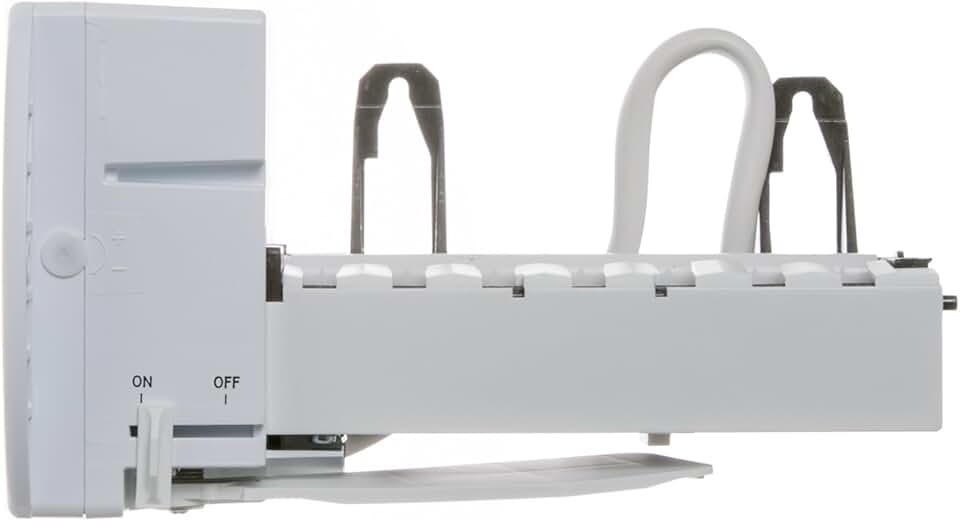
A malfunctioning icemaker can quickly become one of the most frustrating appliance issues in any home. When your GE, Café, Hotpoint, or Profile refrigerator stops producing ice, finding a reliable and cost-effective solution is paramount. This in-depth review focuses on a popular replacement option, the GE Refrigerator Icemaker, specifically compatible with WR30X10093, WR30X10061, IM4D, IM6D, PS1993870, AP4345120, and 1399596 part numbers.
We will delve into its features, installation process, and overall value, helping you determine if this aftermarket part is the right choice to restore your appliance’s ice-making capabilities. Our goal is to provide a comprehensive analysis that addresses common concerns and highlights the benefits of choosing a high-quality replacement component.
Quick Summary
Rating: 4.4/5 Stars (577 Reviews)
Price: ~$52.16 USD
Key Pros:
- Cost-Effective Repair: Significantly cheaper than professional service or a new refrigerator.
- Wide Compatibility: Replaces numerous GE, Café, Hotpoint, and Profile icemaker part numbers.
- DIY-Friendly Installation: Designed for straightforward replacement by homeowners.
- Reliable Ice Production: Quickly restores consistent ice supply to your appliance.
Key Cons:
- Not OEM Part: While compatible, it is an aftermarket component, which some users might prefer to avoid.
- Installation Can Be Fiddly: Requires basic tools and patience, not for absolute beginners.
Table of Contents
GE Refrigerator Icemaker Overview
The GE Refrigerator Icemaker replacement part is designed to address one of the most common and inconvenient failures in modern refrigerators: a non-functional icemaker. For many households, a steady supply of ice is not a luxury but a daily necessity, especially in warmer climates or during social gatherings. When the original icemaker unit fails, the options are typically to call a costly repair technician, buy a new refrigerator, or attempt a DIY replacement with a compatible part.
This particular replacement icemaker positions itself as a reliable and economical solution for a wide range of GE, Café, Hotpoint, and Profile refrigerators. It specifically targets models that utilize the WR30X10093, WR30X10061, IM4D, IM6D, PS1993870, AP4345120, and 1399596 parts. Understanding its broad compatibility is crucial for potential buyers.
A failing icemaker can manifest in several ways, such as no ice production at all, producing only small or malformed cubes, or making excessive noise. These symptoms often point to issues with the icemaker’s motor, thermostat, water fill valve, or heating element. Instead of replacing the entire appliance, which can be a significant investment, replacing just the faulty icemaker unit is a much more sustainable and budget-friendly approach.
The manufacturing quality of aftermarket replacement parts can vary significantly. This GE Refrigerator Icemaker aims to meet or exceed the performance of the original equipment manufacturer (OEM) part. It is typically constructed from durable plastics and metal components designed to withstand the cold and moisture within the freezer compartment, ensuring a reasonable lifespan post-installation.
Modern refrigerators are complex machines, but many components, like the icemaker, are designed to be modular. This modularity facilitates easier replacement, even for individuals with moderate DIY skills. The design of this replacement unit generally mirrors that of the original, ensuring a direct fit and proper integration into the existing water and electrical systems of your refrigerator.
The importance of a functioning icemaker extends beyond just convenience; it can impact the overall enjoyment and utility of your kitchen. A broken icemaker means resorting to ice trays or purchasing bags of ice, neither of which is ideal for long-term use. This replacement part offers a swift return to normal operation, making it a highly valued component for those experiencing ice production issues.
Moreover, choosing to repair an appliance rather than replace it has significant environmental benefits. It reduces electronic waste and conserves resources that would be used in manufacturing a new unit. This GE Refrigerator Icemaker supports a more sustainable approach to home appliance ownership by providing an accessible repair option.
The typical lifespan of an original icemaker can range from 5 to 10 years, depending on usage and maintenance. When it eventually gives out, finding a high-quality replacement that can extend the life of your refrigerator by several more years is a smart decision. This product aims to deliver that longevity and peace of mind.
This replacement unit is generally straightforward enough for most homeowners to install themselves, avoiding the high labor costs associated with professional appliance repair. It represents a practical solution for common refrigerator problems, allowing users to regain full functionality without breaking the bank.
GE Refrigerator Icemaker Key Features & Specs
When considering a replacement part for a critical appliance like an icemaker, understanding its key features and specifications is essential. This particular GE Refrigerator Icemaker replacement unit is designed with several characteristics that make it a compelling choice for consumers experiencing issues with their existing ice production.
One of the most significant features is its **broad compatibility**. This icemaker is engineered to replace a wide array of original GE part numbers, including WR30X10093, WR30X10061, IM4D, IM6D, PS1993870, AP4345120, and 1399596. This extensive list means it fits numerous refrigerator models across GE, Café, Hotpoint, and Profile brands, making it a versatile solution for many households. Verifying your specific model’s required part number against this list is a crucial first step.
The **construction materials** are another vital aspect. Typically, these replacement units are made from high-grade, food-safe plastics and corrosion-resistant metals. These materials are chosen for their durability and ability to withstand the freezing temperatures and moist environment within the freezer compartment. A robust build ensures the icemaker can endure years of continuous operation, resisting common wear and tear.
**Ease of installation** is a standout feature for many DIY repair enthusiasts. While not a five-minute job, the design often allows for a relatively straightforward replacement process. The unit usually comes pre-assembled, meaning you primarily need to disconnect the old unit and connect the new one. Basic hand tools like screwdrivers and possibly a nut driver are typically all that’s required, making it accessible for homeowners with some mechanical aptitude.
Regarding **ice production**, this replacement GE Refrigerator Icemaker is designed to restore the original ice-making capacity and speed of your refrigerator. It aims to produce standard crescent-shaped ice cubes, filling the ice bucket consistently. The specific production rate can vary slightly depending on your refrigerator model and ambient conditions, but it generally matches OEM performance for regular household use.
The **electrical specifications** are standard for refrigerator components, typically operating on 120V AC. It integrates seamlessly into the refrigerator’s existing wiring harness, which usually involves a simple plug-and-play connection. Ensuring the electrical connections are secure is key to preventing future malfunctions and ensuring safe operation.
While often an aftermarket part, many manufacturers of these replacements strive for **safety certifications** that align with industry standards. This ensures the component is safe to use within your appliance and meets necessary electrical and material safety guidelines. Always check for any certifications if this is a primary concern for you.
The **design** of this icemaker is engineered to be a direct fit, meaning its dimensions and mounting points are identical or extremely close to the original part. This precise design minimizes the need for modifications during installation, ensuring that it slots perfectly into your freezer compartment without any gaps or misalignments that could affect its performance or efficiency.
Comparing it to OEM parts, this replacement often offers a similar functional design without the premium price tag. While OEM parts might carry a brand guarantee, compatible aftermarket units like this one provide a cost-effective alternative that delivers comparable performance. They address common failure points of original units, such as brittle plastic components or worn-out motors, often with minor design improvements based on field experience.
Understanding the functional components of an icemaker – such as the water fill valve, the heating element that releases ice, the thermostat that regulates freezing, and the motor that ejects cubes – helps appreciate the integrated design of this replacement. It’s a complete unit, meaning all these critical functions are housed within one assembly, simplifying the repair process significantly.
For more detailed technical specifications or to verify compatibility with specific GE models, consulting the official GE Appliances parts website can be very helpful. This ensures you have the correct part for your appliance’s needs. You can find more information on GE appliance parts at GE Appliances Parts.
Pros & Cons
Every product, especially a replacement part, comes with its own set of advantages and disadvantages. Understanding these can help you make an informed decision about whether this GE Refrigerator Icemaker is the right solution for your specific needs. We’ve compiled a balanced view of its key pros and cons.
Pros:
-
Cost-Effectiveness: One of the most compelling advantages of this replacement icemaker is its price. It is significantly more affordable than purchasing an OEM part directly from the manufacturer or hiring a professional appliance repair technician. This can result in substantial savings, often making the repair a fraction of the cost of replacing the entire refrigerator.
This affordability makes a DIY repair a highly attractive option for budget-conscious homeowners. The relatively low investment for the part, combined with the potential to avoid labor costs, provides excellent value. It offers a practical way to extend the life of your existing appliance without a major financial outlay.
-
Broad Compatibility: As highlighted in the features section, this icemaker replaces a wide range of GE, Café, Hotpoint, and Profile part numbers. This extensive compatibility means that many consumers with various models from these brands can use this single replacement part. Such versatility simplifies the search for the correct component.
This wide-ranging fit reduces the frustration of trying to find an exact match for obscure or discontinued part numbers. It provides a generalized solution for common icemaker failures across a popular family of refrigerator brands. Always double-check your specific model’s required part number to ensure a perfect match.
-
DIY-Friendly Installation: For those with a modicum of mechanical skill and a willingness to follow instructions, installing this GE Refrigerator Icemaker is often a manageable task. The unit typically comes as a complete assembly, designed for a direct swap with the old part. Many online resources and videos can guide you through the process.
The ability to perform the installation yourself empowers homeowners to take control of their appliance repairs. This not only saves money on labor but also provides a sense of accomplishment. Most installations can be completed within an hour or two with basic household tools, making it a feasible weekend project.
-
Reliable Ice Production: Users frequently report that this replacement icemaker quickly restores consistent and reliable ice production. After installation, the unit typically begins making ice within a few hours, filling the ice bucket within 24 hours. This restores the convenience that a functioning icemaker provides to a busy household.
The primary goal of any icemaker replacement is to get ice flowing again, and this product generally delivers on that promise. It ensures you won’t have to resort to manual ice trays or store-bought ice, making your refrigerator fully functional once more. The satisfaction of having a constant ice supply cannot be overstated.
-
High User Satisfaction: With a rating of 4.4 out of 5 stars from over 500 reviews, this replacement part demonstrates a high level of user satisfaction. This indicates that a significant majority of buyers found the product effective, easy to install, and good value for money. Positive feedback from real-world users is a strong indicator of product quality and reliability.
These reviews often highlight successful installations and the joy of having a working icemaker again. Such collective positive sentiment provides reassurance for new buyers considering this aftermarket option. It suggests that the product consistently meets or exceeds user expectations.
-
Extends Appliance Life: Opting to replace a faulty component like the icemaker instead of discarding the entire refrigerator is an environmentally conscious decision. It contributes to reducing electronic waste in landfills and maximizes the useful life of your appliance. This approach is both economical and ecological.
By simply replacing one component, you can potentially add several more years of service to an otherwise perfectly good refrigerator. This extends your initial investment and prevents the premature disposal of a large household appliance. It’s a sustainable choice for appliance maintenance.
Cons:
-
Not an OEM Part: For some consumers, the fact that this is an aftermarket part and not an original equipment manufacturer (OEM) component can be a drawback. While aftermarket parts are designed to be compatible and perform similarly, some users prefer the peace of mind that comes with an OEM product, often perceiving them as having higher quality or better warranty coverage.
The difference between OEM and aftermarket can sometimes lead to minor aesthetic variations or concerns about long-term durability, even if performance is comparable. It’s a psychological factor for many, even if the functional difference is minimal in practice. However, the cost savings often outweigh this concern for most buyers.
-
Installation Requires Some Aptitude: While generally considered DIY-friendly, the installation process is not entirely foolproof. It involves disconnecting power, removing freezer components, handling water lines, and working in tight spaces. Individuals with no prior experience in appliance repair or those uncomfortable with tools might find it challenging.
Improper installation can lead to issues such as water leaks, electrical problems, or the icemaker still not functioning correctly. It requires careful attention to detail and adherence to safety precautions. If you are entirely new to DIY repairs, watching several video tutorials beforehand is highly recommended.
-
Potential for Minor Variations: Occasionally, aftermarket parts might have slight physical differences compared to the original, even if they are functionally compatible. These variations could include minor differences in plastic molding, wiring harness length, or mounting tab design. While usually not critical, they can sometimes make installation slightly more challenging.
These minor discrepancies rarely affect the core functionality but can be a source of frustration during the installation process. It’s important to be prepared for the possibility that the replacement might not be an exact clone of the original in every minute detail.
-
Warranty Coverage: Aftermarket parts typically come with a shorter warranty period compared to OEM parts. While a 1-year warranty is common for many aftermarket components, an OEM part might offer longer coverage. This difference in warranty can be a consideration for those who prioritize long-term protection.
It’s crucial to check the specific warranty offered by the seller or manufacturer of this replacement icemaker. Understanding the terms and duration of the warranty can influence your decision, especially if you are concerned about potential post-installation issues.
Who Should Buy the GE Refrigerator Icemaker?
Deciding whether to purchase and install a replacement GE Refrigerator Icemaker involves evaluating your specific situation, technical comfort level, and budget. This section outlines the types of individuals and scenarios where this particular replacement part truly shines as an ideal solution.
First and foremost, this icemaker is perfect for **homeowners with a failing icemaker in their GE, Café, Hotpoint, or Profile refrigerator**. If your refrigerator is otherwise functioning perfectly but has stopped producing ice, replacing the icemaker unit is a far more economical and environmentally sound choice than purchasing a brand new appliance. It targets the specific problem without unnecessary expense.
DIY enthusiasts and handy homeowners will find this product particularly appealing. If you enjoy tackling home repair projects, have a basic set of tools, and are comfortable following instructions, the installation process is well within your capabilities. The satisfaction of successfully repairing your own appliance and saving on labor costs is a significant motivator for this demographic.
Furthermore, **individuals seeking a reliable, budget-friendly repair solution** will benefit greatly. The cost of a professional service call for an icemaker repair can easily exceed the price of this part, often by a factor of two or three. By opting for this replacement, you can restore full functionality to your refrigerator without a significant financial burden, making it an excellent value proposition.
This replacement part is also ideal for **landlords or property managers** who need to maintain multiple rental units efficiently and cost-effectively. Having a supply of these compatible icemakers on hand or knowing where to quickly source them can drastically reduce downtime for tenants and minimize maintenance expenses. It’s a practical solution for property upkeep.
For those who **prioritize functionality over brand-name parts**, this aftermarket icemaker offers an excellent compromise. While it may not be an OEM part, its proven track record (evidenced by strong customer reviews) suggests it performs just as well in restoring ice production. The focus here is on getting the job done effectively and affordably, rather than adhering strictly to brand-specific components.
Consider the financial implications: a new refrigerator can cost hundreds to thousands of dollars. A service call can be $150-$300 or more. This replacement part, typically around $50-$60, offers a dramatically lower cost entry point to extend the life of your existing appliance. This makes it a financially savvy decision for most households.
Before purchasing, it is absolutely critical to **confirm compatibility** with your specific refrigerator model. While the list of compatible part numbers (WR30X10093, WR30X10061, IM4D, IM6D, PS1993870, AP4345120, 1399596) is extensive, cross-referencing with your appliance’s manual or existing icemaker part number is non-negotiable. This prevents frustration and ensures a smooth installation process.
The environmental benefits of repairing over replacing also make this an attractive option. By choosing to fix your icemaker, you are reducing waste and minimizing your ecological footprint. This aligns with a growing desire for sustainable consumption and appliance longevity. It’s a small step that collectively makes a difference.
In summary, if you are experiencing icemaker issues with a compatible GE family brand refrigerator, possess basic DIY skills, and are looking for an economical and effective repair, this replacement GE Refrigerator Icemaker is an excellent candidate. It offers a practical path to restoring your appliance’s full functionality without unnecessary expense or environmental impact. For detailed repair guides and troubleshooting tips, you can often find valuable resources on sites like Repair Clinic.
FAQ about GE Refrigerator Icemaker
Here are some frequently asked questions about the GE Refrigerator Icemaker replacement part, covering common concerns and providing detailed answers to help you with your purchase and installation.
Q1: How do I know if my icemaker needs replacing? What are the common symptoms?
A failing icemaker typically presents several clear symptoms. The most obvious is a complete lack of ice production, even when the water supply is connected and the freezer temperature is adequate. Other signs include producing only a few cubes at a time, making unusually small or malformed ice, or loud grinding noises emanating from the icemaker compartment. Sometimes, the icemaker will attempt to cycle but fail to eject ice, or the water fill tube might be frozen.
Before assuming the icemaker itself is faulty, ensure the water line isn’t crimped or frozen, the water filter is not clogged, and the freezer temperature is set correctly (typically around 0-5°F or -18 to -15°C). If these external factors are ruled out, the internal components of the icemaker, such as the motor, thermostat, or heating element, are likely the culprits, necessitating a replacement.
Q2: Is this GE Refrigerator Icemaker compatible with my specific model? How do I check part numbers?
This replacement icemaker is designed for broad compatibility with GE, Café, Hotpoint, and Profile refrigerators, specifically replacing part numbers WR30X10093, WR30X10061, IM4D, IM6D, PS1993870, AP4345120, and 1399596. To confirm compatibility, you should locate the model number of your refrigerator, usually found on a sticker inside the fresh food compartment or behind the kick plate.
Once you have your model number, you can often find the exact icemaker part number required by consulting your appliance’s owner’s manual or by searching online parts diagrams using your model number. Cross-reference this part number with the list provided for this replacement unit. It is crucial to verify that your current icemaker part number matches one of the compatible numbers to ensure a proper fit and function.
Q3: How difficult is the installation of this GE Refrigerator Icemaker? What tools are needed?
The installation of this GE Refrigerator Icemaker is generally considered a DIY-friendly task for individuals with basic mechanical skills. It typically involves disconnecting power to the refrigerator, removing the old icemaker (which usually involves a few screws and an electrical connector), and then installing the new unit in reverse order. The process can take anywhere from 30 minutes to 1.5 hours, depending on your experience and the specific refrigerator model.
Basic tools required usually include a Phillips head screwdriver, a flathead screwdriver, and possibly a nut driver or socket set for specific mounting bolts. It’s also advisable to have a towel ready to catch any residual water from the water line. Always ensure the refrigerator is unplugged and the water supply is shut off before beginning any work to prevent electrical shock or water damage.
Q4: Is this an OEM part? What’s the difference between OEM and compatible aftermarket?
No, this particular product is a compatible aftermarket replacement part, not an Original Equipment Manufacturer (OEM) part. An OEM part is manufactured by the original company that made your refrigerator, or by a supplier directly contracted by them, typically carrying the GE brand name. Aftermarket parts are produced by independent manufacturers to fit and function just like the OEM part, but they are not branded by the original appliance manufacturer.
The primary difference often lies in branding, price, and sometimes warranty. OEM parts usually come at a higher cost but offer the assurance of being an exact factory match. Aftermarket parts, like this GE Refrigerator Icemaker, provide a more budget-friendly alternative while aiming to deliver comparable performance and fit. While quality can vary among aftermarket brands, highly-rated ones often provide excellent value. The key is to choose a reputable aftermarket supplier with positive customer feedback.
Q5: What if my new icemaker doesn’t produce ice after installation?
If your new GE Refrigerator Icemaker isn’t producing ice after installation, several troubleshooting steps can be taken. First, ensure the refrigerator is plugged in and the water supply valve to the refrigerator is fully open. Check that the icemaker’s feeler arm (or bale wire) is in the down position, indicating it’s ready to make ice. Verify the freezer temperature is cold enough, typically 0-5°F (-18 to -15°C).
Allow 12-24 hours for the icemaker to begin producing ice, as it needs time to cool down and cycle. If still no ice, check for a frozen water fill tube (often located at the back of the freezer, above the icemaker). Ensure the water filter is not clogged or expired. If all these checks fail, re-check all electrical connections to the icemaker for looseness. In rare cases, the new part itself might be defective, or there could be a problem with another component of the refrigerator’s water system, such as the water inlet valve.
Q6: How long does this replacement GE Refrigerator Icemaker typically last?
The lifespan of a replacement GE Refrigerator Icemaker can vary based on usage, water quality, and manufacturing quality. Generally, a well-made aftermarket icemaker is designed to last several years, often providing 3 to 7 years of reliable service. This is comparable to the typical lifespan of many OEM icemakers, which can range from 5 to 10 years before requiring attention.
Factors influencing longevity include how often the icemaker is used, the mineral content in your water (which can lead to scale buildup), and the consistency of your freezer temperature. Regular maintenance, such as ensuring the water filter is replaced as recommended, can help extend the life of the icemaker and prevent common issues like frozen water lines or mineral deposits affecting performance.
Q7: Are there any safety concerns with installing a non-OEM part like this GE Refrigerator Icemaker?
When installing any electrical appliance part, safety is paramount. The primary safety concerns revolve around electrical shock and water leaks. To mitigate these, always **disconnect power to the refrigerator** by unplugging it from the wall outlet before starting any work. Additionally, **shut off the water supply** to the refrigerator to prevent leaks or flooding.
Regarding the part itself, reputable aftermarket manufacturers design their products to meet safety standards. Look for products with high ratings and positive reviews, which often indicate good manufacturing practices. Ensure all connections are secure and tight, both electrical and water. As long as these precautions are followed and the part is installed correctly, using a compatible aftermarket GE Refrigerator Icemaker is generally safe.
Q8: Can I return it if it doesn’t fit or work?
Most reputable online retailers, including Amazon, offer return policies for products that do not fit or are defective upon arrival. It is crucial to review the specific return policy of the seller before making a purchase. Typically, you’ll have a window of time (e.g., 30 days) to return the item for a refund or exchange if it’s unused, doesn’t fit, or is found to be faulty.
Always keep the original packaging and any included documentation until you have successfully installed and tested the new icemaker. In case of a defect or incompatibility, being able to return the product smoothly is important. Confirming compatibility with your refrigerator model beforehand significantly reduces the chances of needing to return the part due to an improper fit.
Final Verdict
The GE Refrigerator Icemaker replacement (compatible with WR30X10093 and other part numbers) stands out as an ultimate, impressive, and worthwhile solution for anyone grappling with a broken icemaker in their GE, Café, Hotpoint, or Profile refrigerator. Its blend of affordability, broad compatibility, and user-friendly installation makes it a highly attractive option for homeowners seeking to extend the life of their appliance without incurring significant costs.
While it is an aftermarket part, the overwhelming positive feedback from hundreds of users underscores its reliability and performance. It effectively restores consistent ice production, eliminating the inconvenience of manual ice trays or store-bought ice. The environmental benefit of repairing rather than replacing a major appliance further adds to its appeal, aligning with sustainable living practices.
For the average homeowner with basic DIY skills, this replacement offers a clear path to a successful and satisfying repair. The money saved on professional labor alone often justifies the purchase, making it a smart investment in your home’s functionality. Just remember to double-check your specific refrigerator’s part number for guaranteed compatibility.
In conclusion, if your GE family brand refrigerator has an ailing icemaker, and you’re prepared for a straightforward DIY project, this replacement GE Refrigerator Icemaker is an excellent choice. It provides exceptional value, robust performance, and the satisfaction of a job well done, making it an outstanding option for restoring your appliance’s full capabilities.