
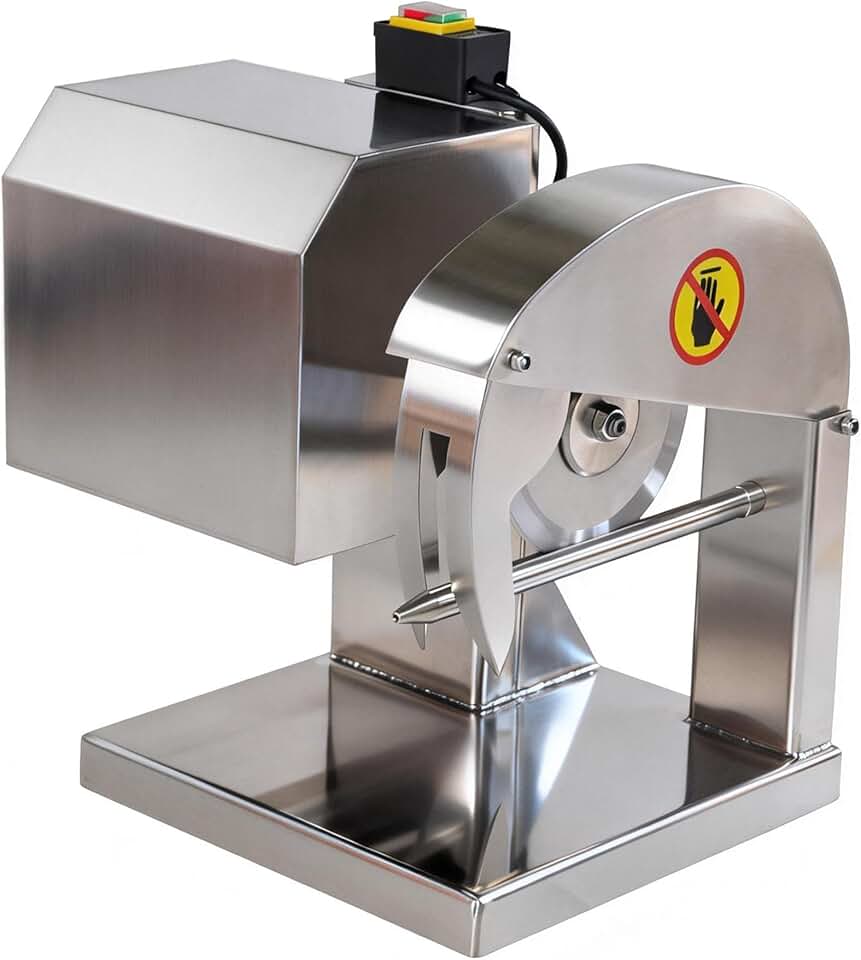
The Commercial Bone Saw is an essential piece of equipment for anyone involved in professional meat processing, from butcher shops to restaurants and slaughterhouses. This robust 110V 750W machine is designed to tackle tough cutting tasks, making quick work of bones in poultry, fish, and various meats. Its specialized design aims to enhance efficiency and precision in demanding commercial environments.
Quick Summary
- Rating: 3.1/5 (Based on 2 reviews)
- Price: $849.99
- Key Pros:
- Powerful 750W motor for tough cuts.
- Durable stainless steel construction for hygiene and longevity.
- Designed for commercial-grade meat processing.
- Key Cons:
- Limited user reviews indicate potential concerns.
- High initial investment for smaller operations.
Table of Contents
Commercial Bone Saw Overview
The Commercial Bone Saw is engineered for the rigorous demands of professional kitchens, butcher shops, and food processing facilities. This heavy-duty machine provides a robust solution for cutting through various types of meat, including those with dense bones like ribs, poultry, and even frozen cuts. Its primary function is to deliver clean, precise cuts that would be difficult or impossible with conventional knives, significantly boosting productivity and ensuring product consistency.
At its core, this bone saw operates on a powerful 750W motor, which translates to ample cutting power for even the toughest tasks. The 110V power requirement makes it suitable for standard commercial electrical setups, ensuring broad applicability. This level of power is crucial for maintaining speed and efficiency during high-volume processing, reducing strain on operators and minimizing processing times.
Construction-wise, the machine boasts a stainless steel build, which is a critical feature for food processing equipment. Stainless steel is renowned for its durability, resistance to corrosion, and ease of cleaning, all of which are paramount in maintaining strict hygiene standards. This material choice ensures the longevity of the machine, even in demanding, moist environments where sanitation is a constant concern.
The design of the Commercial Bone Saw typically includes a sturdy work surface and a guide mechanism to ensure straight and accurate cuts. Safety features are also integrated, such as blade guards and push-feed mechanisms, to protect the operator from the rapidly moving blade. Understanding these safety protocols is paramount for any user to prevent accidents and ensure long-term, safe operation.
For businesses that regularly process large quantities of meat, investing in a dedicated bone saw like this can lead to substantial labor savings and improved product quality. Manual bone cutting is not only time-consuming but also physically taxing and less precise. This machine automates and streamlines the process, allowing staff to focus on other tasks and reducing the risk of repetitive strain injuries.
While the initial investment for a Commercial Bone Saw might seem significant, its long-term benefits in terms of efficiency, safety, and consistent output often outweigh the upfront cost. It’s a tool designed to be a workhorse, capable of enduring continuous operation and delivering reliable performance day in and day out. Proper maintenance, including regular cleaning and blade replacement, is key to maximizing its lifespan and operational effectiveness.
The overall market for commercial bone saws is competitive, with various manufacturers offering different features and price points. This particular model positions itself as a robust, mid-range option for businesses seeking a balance between power and practicality. Its impressive capabilities make it a strong contender for those needing to upgrade their meat processing capabilities.
Users considering this machine should evaluate their specific needs, including the volume of meat processed, the types of bones encountered, and available space. A thorough understanding of its operational requirements and maintenance schedule will ensure that the bone saw serves as a valuable asset for years to come. The goal is to integrate a machine that not only performs well but also contributes positively to the overall workflow and profitability of the business.
Commercial Bone Saw Key Features & Specs
Understanding the specific features and specifications of the Commercial Bone Saw is crucial for appreciating its capabilities and determining its suitability for various applications. This machine is built with several key attributes that make it a powerful tool in any commercial meat processing environment. Each component plays a vital role in its overall performance and user experience.
Powerful 750W Motor
At the heart of this bone saw is its robust 750-watt motor, which provides significant power for cutting through dense materials. This motor ensures that the blade maintains consistent speed and torque, even when encountering tough bones or frozen meat. The power output is critical for preventing blade stalls and ensuring smooth, efficient operation, which directly impacts productivity in a busy commercial setting.
The 110V electrical requirement means it can be operated in most commercial kitchens and processing plants without needing specialized wiring. This common voltage makes installation straightforward and reduces potential setup costs. The motor’s design is optimized for continuous use, a necessity for high-volume operations where downtime can be costly.
Durable Stainless Steel Construction
The entire body of the Commercial Bone Saw is constructed from high-grade stainless steel. This material is chosen for its superior properties in food processing environments. Stainless steel is inherently resistant to rust and corrosion, which is essential when constantly exposed to moisture, blood, and cleaning agents.
Furthermore, stainless steel is incredibly easy to clean and sanitize, making it ideal for maintaining stringent food safety standards. Its non-porous surface prevents bacterial growth and cross-contamination, ensuring that processed meat remains safe for consumption. The durability of stainless steel also means the machine can withstand the physical demands of daily commercial use for many years.
High-Precision Cutting Blade
The saw features a specialized stainless steel blade designed for optimal cutting performance on bones and meat. These blades are typically sharp and resilient, capable of making clean, precise cuts with minimal effort. The blade’s configuration is engineered to reduce meat wastage and create uniform portions, which is important for presentation and portion control.
Regular maintenance, including proper cleaning and timely replacement of the blade, is vital for maintaining cutting efficiency and safety. The design allows for relatively easy blade changes, minimizing operational interruptions. The quality of the blade directly impacts the speed and cleanliness of cuts, making it a critical component of the machine’s overall performance.
Integrated Safety Features
Safety is a paramount concern in any industrial equipment, especially with powerful cutting tools. This bone saw incorporates several safety mechanisms to protect operators. These typically include a blade guard that covers the exposed parts of the blade, minimizing accidental contact.
Additionally, a push plate or meat pusher is often included, allowing operators to feed meat into the blade without direct hand contact. Emergency stop buttons are also standard, providing an immediate shutdown in case of unforeseen circumstances. Adherence to safety guidelines and proper training are essential for maximizing operator protection when using the Commercial Bone Saw.
Spacious Work Surface
A generously sized work surface is another practical feature, providing ample room for positioning and maneuvering large cuts of meat. This surface is also made of stainless steel, maintaining hygiene and durability. A stable and spacious work area is critical for ensuring precise cuts and enhancing operator comfort, especially during long shifts.
The integrated measuring guides or fences often found on such surfaces further aid in achieving consistent cut thicknesses. This contributes to better portion control and reduces waste, which are significant benefits in a commercial setting. The design prioritizes both functionality and user convenience.
Easy to Clean and Maintain
Beyond the stainless steel construction, the overall design facilitates easy cleaning. Components that come into contact with meat are often removable or easily accessible for thorough sanitation. This ease of maintenance is not just about hygiene; it also contributes to the longevity of the machine by preventing the buildup of corrosive residues.
Routine cleaning after each use, combined with periodic deeper cleaning and inspection of mechanical parts, ensures the bone saw remains in optimal working condition. Understanding the manufacturer’s cleaning instructions is key to extending the life and performance of the equipment. These features collectively make the Commercial Bone Saw a practical and efficient choice.
Pros & Cons
When evaluating the Commercial Bone Saw, it’s important to consider both its strengths and potential weaknesses. A balanced perspective helps prospective buyers make an informed decision, especially for a significant investment like commercial equipment. While powerful, every machine has its trade-offs.
Pros:
- Exceptional Cutting Power: The 750W motor provides ample power to effortlessly slice through tough bones, frozen meats, and large cuts of poultry or fish. This capability significantly speeds up processing times and reduces manual labor. It ensures that even the most challenging cuts are handled efficiently, maintaining consistent output in busy environments.
- Durable Stainless Steel Construction: Built entirely from stainless steel, this bone saw offers superior durability and hygiene. The material resists corrosion, rust, and wear, making it ideal for the demanding, wet conditions of meat processing. Its smooth, non-porous surface is also incredibly easy to clean and sanitize, crucial for food safety. This robust construction ensures a long operational life.
- Enhanced Efficiency and Productivity: By automating the bone-cutting process, the machine dramatically increases efficiency compared to manual methods. It allows for faster processing of large volumes of meat, which translates to higher productivity and reduced labor costs for businesses. Consistent cuts also improve product presentation and portion control, adding value to the output.
- Improved Safety Features: Designed with operator safety in mind, the bone saw typically includes essential features like blade guards, push plates, and emergency stop buttons. These mechanisms work together to minimize the risk of accidents and injuries during operation. Proper training combined with these features makes for a safer working environment.
- Versatile Application: This machine is suitable for a wide range of meats, including chicken, duck, goose, beef ribs, pork ribs, and various fish. Its versatility makes it a valuable asset for diverse businesses, from specialized butcher shops to general restaurants and large-scale food processors. It can adapt to different cutting needs, providing flexibility.
Cons:
- Limited User Feedback: With only two reviews and a 3.1-star rating, there is limited real-world feedback to fully assess the machine’s long-term reliability and user satisfaction. This scarcity of reviews can make it challenging for new buyers to gauge potential issues or consistent performance. More extensive user experiences would provide greater confidence in its purchase.
- Significant Initial Investment: Priced at $849.99, this bone saw represents a considerable investment, especially for smaller businesses or those just starting. While the long-term benefits in efficiency might justify the cost, the upfront expense can be a barrier. Potential buyers must carefully weigh this cost against their budget and projected returns.
- Maintenance and Blade Replacement Costs: Like all cutting equipment, the blade of the Commercial Bone Saw will dull over time and require replacement. These blades are specialized and can be costly, adding to the ongoing operational expenses. Regular cleaning and maintenance are also necessary, requiring dedicated time and resources. Neglecting these can lead to decreased performance and premature wear.
- Noise and Vibrations: Powerful commercial machinery often generates considerable noise and vibrations during operation. While typical for bone saws, this can be a factor in certain work environments, potentially requiring hearing protection or specific placement considerations. The noise level might impact workplace comfort and communication if not properly managed.
- Space Requirements: As a dedicated piece of commercial equipment, the bone saw requires a significant amount of counter or floor space. Businesses with limited kitchen or processing area might find its footprint challenging to accommodate. Proper installation also requires adequate ventilation and access for cleaning and maintenance, adding to the spatial considerations.
Who Should Buy the Commercial Bone Saw?
The Commercial Bone Saw is a specialized piece of equipment, and its value is most realized in specific professional settings. It’s not a tool for the casual home cook, but rather for businesses and individuals who regularly process large quantities of meat with bones. Understanding the ideal user helps in determining if this investment aligns with operational needs.
Butcher Shops and Meat Processors: This is arguably the primary target audience for a Commercial Bone Saw. Butcher shops handle whole carcasses or large primal cuts that require precise and efficient bone removal or portioning. The machine’s power and speed are invaluable for maintaining high output and consistent product quality, which are critical for customer satisfaction and business profitability.
Restaurants and Catering Services: Establishments that specialize in dishes requiring bone-in cuts, such as ribs, oxtails, or certain poultry preparations, can greatly benefit. A bone saw allows them to purchase larger, more economical cuts of meat and process them in-house, ensuring freshness and controlling costs. It also enables them to offer unique, custom-cut items that might not be readily available from suppliers.
Slaughterhouses and Abattoirs: In larger-scale operations, efficiency and speed are paramount. A robust Commercial Bone Saw can significantly streamline the breakdown of animal carcasses. Its ability to cut through dense bone quickly and cleanly is essential for high-volume processing lines, reducing manual labor and improving throughput.
Hunters and Game Processors: For serious hunters or small-scale game processing businesses, this bone saw offers a professional solution for breaking down game animals. It makes the often-difficult task of processing large game much more manageable, allowing for efficient preparation of meat for storage or sale. The hygiene benefits of stainless steel are also a significant advantage here.
Food Service Institutions: Large institutions such as hospitals, schools, or correctional facilities that prepare meals in bulk may find a bone saw beneficial for cost-effectively processing raw ingredients. Buying meat in larger, less processed forms can lead to significant savings, and the bone saw enables them to manage these cuts efficiently.
Fish Markets and Seafood Processors: While often associated with land animals, many types of fish, especially larger species, have substantial bones that require powerful cutting tools. A bone saw can be used for portioning large fish or removing spines, making it a versatile tool for seafood specialists seeking efficiency and precision. Its stainless steel construction is particularly beneficial in a marine environment.
The decision to purchase this Commercial Bone Saw should be driven by a clear need for high-volume, precise bone cutting. It’s an investment in efficiency, safety, and consistent product quality. Businesses looking to upgrade from manual methods or expand their meat processing capabilities will find this machine a compelling option.
Conversely, small businesses with occasional bone cutting needs or those with very limited space might find it an overkill or too costly for their specific requirements. Always assess the frequency and volume of tasks before committing to such specialized equipment. The long-term operational benefits, including reduced labor and improved output, should be carefully weighed against the initial purchase price and ongoing maintenance.
FAQ about Commercial Bone Saw
Here are some frequently asked questions about the Commercial Bone Saw to help clarify common concerns and provide more detailed information for potential buyers and users.
Q1: What types of meat can the Commercial Bone Saw cut?
A1: The Commercial Bone Saw is highly versatile and designed to cut through a wide range of meats, including those with dense bones. This includes poultry like chicken, duck, and goose, as well as beef ribs, pork ribs, lamb, and various types of fish. It can also effectively cut through frozen meat blocks, making it suitable for diverse processing needs in commercial settings.
Its powerful 750W motor and sharp, specialized blade are engineered to handle the toughest cuts without bogging down. This versatility makes it an invaluable tool for butcher shops, restaurants, and food processing plants that deal with different animal proteins.
Q2: Is the Commercial Bone Saw easy to clean and maintain?
A2: Yes, the Commercial Bone Saw is designed with ease of cleaning and maintenance in mind, which is critical for food safety and operational longevity. Its stainless steel construction is non-porous and resistant to corrosion, allowing for quick and thorough sanitization after each use. Many components that come into contact with meat are often removable for easier access and cleaning.
Regular cleaning with appropriate detergents and disinfectants is essential to prevent bacterial growth and maintain hygiene standards. Beyond daily cleaning, periodic checks of the blade, motor, and safety features are recommended to ensure optimal performance and extend the machine’s lifespan. Proper maintenance ensures consistent, safe operation.
Q3: What safety features are included with the Commercial Bone Saw?
A3: Safety is a paramount concern with any powerful cutting tool, and the Commercial Bone Saw typically incorporates several features to protect the operator. These commonly include a blade guard that covers the exposed parts of the saw blade, minimizing accidental contact during operation. A meat push plate or guide helps feed the product into the blade without direct hand involvement.
Additionally, emergency stop buttons are standard, providing an immediate way to shut down the machine in case of an unforeseen issue. It’s crucial for operators to be properly trained on the safe use of the equipment and to always follow the manufacturer’s safety guidelines to prevent injuries.
Q4: What are the power requirements for this Commercial Bone Saw?
A4: This particular Commercial Bone Saw operates on a 110V electrical supply, which is standard for most commercial kitchens and processing facilities in North America. The 750W motor draws a significant amount of power, so it’s important to ensure that the electrical circuit it’s plugged into can handle the load without tripping breakers. A dedicated circuit is often recommended for high-power appliances to prevent electrical issues.
Always verify the specific voltage and amperage requirements listed in the product manual before installation to ensure compatibility with your facility’s electrical system. Proper electrical setup is vital for both safety and optimal machine performance.
Q5: How often should the blade be replaced on a Commercial Bone Saw?
A5: The frequency of blade replacement for a Commercial Bone Saw depends on several factors, including the volume of meat processed, the type of bones being cut (e.g., dense beef bones versus poultry bones), and the overall usage intensity. In a high-volume commercial setting, blades might need replacement every few weeks or months. For lighter use, they could last longer.
Signs that a blade needs replacing include decreased cutting efficiency, excessive splintering of bone, increased motor strain, or visible dullness and damage to the blade teeth. Keeping spare blades on hand is always a good practice to minimize downtime. Regular inspection of the blade is essential for consistent and safe operation.
Q6: Can this Commercial Bone Saw cut frozen meat?
A6: Yes, the Commercial Bone Saw is specifically designed to handle frozen meat, thanks to its powerful 750W motor and robust blade. Cutting frozen blocks of meat or bone-in frozen cuts is a common task in commercial food processing, and this machine is built to perform such demanding operations efficiently. The strong motor ensures the blade maintains its speed and cuts cleanly through ice and frozen tissue without stalling.
However, it’s always advisable to ensure the meat is properly thawed on the surface to prevent excessive ice buildup on the blade and to maintain optimal cutting performance. For continuous cutting of frozen products, ensure the machine is well-maintained and the blade is sharp.
Q7: What is the typical lifespan of a Commercial Bone Saw?
A7: The typical lifespan of a well-maintained Commercial Bone Saw, especially one constructed from durable stainless steel, can be many years, often exceeding 5-10 years in commercial settings. Factors influencing longevity include the quality of materials, frequency of use, adherence to maintenance schedules, and proper operation. Machines that are regularly cleaned, have their blades replaced on time, and are not overloaded tend to last much longer.
Investing in a high-quality machine like this one, combined with diligent care, ensures a long return on investment. Regular servicing by qualified technicians can also help identify and address potential issues before they become major problems, further extending the machine’s operational life. For more information on general commercial kitchen equipment longevity, you can refer to Wikipedia’s Food Processing Equipment page.
Final Verdict
The Commercial Bone Saw stands out as a powerful and impressive machine designed for demanding meat processing tasks. Its 750W motor, coupled with durable stainless steel construction, positions it as a robust solution for butcher shops, restaurants, and food processing facilities that require efficient and precise bone cutting. The ability to handle various types of meat, including tough bones and frozen cuts, underscores its versatility and utility in a professional environment.
While the limited number of user reviews and a modest 3.1-star rating suggest some potential areas for consideration, the core specifications indicate a machine built for performance. The initial investment of $849.99 is significant, but for businesses with high-volume meat processing needs, the long-term benefits in terms of increased efficiency, reduced labor costs, and consistent product quality are substantial. It’s a tool that pays for itself through improved operational workflow.
The emphasis on hygiene, facilitated by its stainless steel build and easy-to-clean design, is a critical advantage in any food-related business. Furthermore, the integrated safety features provide crucial protection for operators, making it a responsible choice for a commercial setting. Proper maintenance, including regular cleaning and timely blade replacement, will ensure this bone saw remains a reliable workhorse for many years.
For businesses looking to upgrade their meat processing capabilities or establish a new, efficient processing line, this Commercial Bone Saw offers a compelling package. It’s a specialized tool that delivers on its promise of powerful, precise cutting. While potential buyers should be mindful of the few existing reviews and ensure it fits their specific operational scale, its robust features make it a worthy contender for serious meat processors.