Maintaining precise salinity levels is paramount in various fields, from marine aquaculture to scientific research and advanced aquarium keeping. The Digital Platinum Salt Tester emerges as a sophisticated solution, promising lab-grade accuracy and reliable performance for critical applications. This in-depth review will explore its features, benefits, and overall value, helping you determine if it’s the right tool for your specific needs.

Quick Summary
- Rating: 4.7/5 stars
- Price: $68.99
- Key Pros:
- Lab-grade accuracy with platinum electrode
- Designed for stable and consistent readings
- Wide application range for diverse needs
- Key Cons:
- Limited number of user reviews currently available
- Higher initial cost compared to basic alternatives
Table of Contents
Digital Platinum Salt Tester Overview
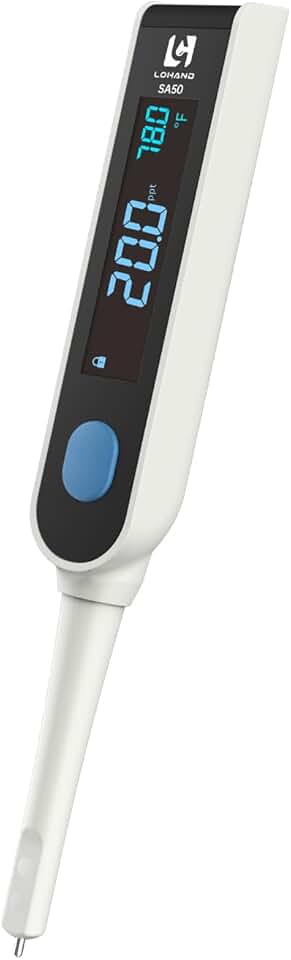
The Digital Platinum Salt Tester is engineered for professionals and serious hobbyists who demand unwavering precision in measuring salinity. It’s not just another meter; it’s a specialized instrument designed to provide accurate, repeatable measurements in environments where even slight deviations can have significant consequences.
This device utilizes a sophisticated platinum electrode, a hallmark of laboratory-grade equipment, to ensure unparalleled accuracy and stability. Unlike traditional methods like refractometers or hydrometers, which can be prone to user error, temperature fluctuations, or visual interpretation issues, this digital tester offers clear, numerical readings.
Salinity, the concentration of dissolved salts in water, is a fundamental parameter in many aquatic systems. For instance, in marine aquariums, stable salinity is critical for the health and survival of corals, fish, and invertebrates. In aquaculture, maintaining optimal salinity directly impacts the growth rates, disease resistance, and overall productivity of aquatic organisms.
Inaccurate salinity readings can lead to a cascade of problems, from osmotic stress in marine life to compromised experimental results in scientific settings. This highlights the indispensable role of a reliable and precise measurement tool. The Digital Platinum Salt Tester addresses these challenges head-on by providing a consistent and trustworthy data source.
The unit’s specified range of 0-50 ppt (parts per thousand) and 1.000-1.037 SG (specific gravity) covers the typical requirements for most saltwater applications. This broad range ensures versatility across various marine environments, from brackish water to full-strength seawater.
The inclusion of a platinum electrode is a significant differentiator. Platinum is an inert metal, meaning it resists corrosion and chemical reactions, which ensures a more stable and longer-lasting sensor. This chemical inertness translates directly into more consistent and accurate electrical conductivity measurements, which the device then converts into salinity.
Compared to glass electrodes or other metal alloy electrodes, platinum offers superior signal stability and reduced drift over time. This makes the Digital Platinum Salt Tester a valuable asset for long-term monitoring and critical applications where sensor degradation could compromise data integrity.
The digital display minimizes ambiguity, providing immediate and easy-to-read results. This eliminates the guesswork often associated with color-coded test kits or the subjective readings of optical refractometers, making it accessible even for those new to precise water parameter testing.
Understanding the intricacies of salinity measurement is key to appreciating the value of such a device. Salinity can be expressed in different units, with ppt (parts per thousand) being a direct measure of salt mass per unit of water, while specific gravity (SG) relates to the density of the water sample compared to pure water. This tester provides both, catering to different preferences and industry standards.
For more information on the importance of salinity measurement in various fields, you can refer to Wikipedia’s Salinity page.
The overall design focuses on user-friendliness without compromising on the underlying scientific integrity. It aims to bridge the gap between complex laboratory equipment and practical, field-ready instruments, making high-precision salinity testing accessible to a wider audience.
Digital Platinum Salt Tester: Key Features & Specs
The design and functionality of the Digital Platinum Salt Tester are built around several core features that ensure its high performance and reliability. Understanding these specifications is crucial for appreciating its capabilities and determining its suitability for your specific application.
Platinum Electrode for Unmatched Stability
At the heart of this device is its platinum electrode. Platinum is chosen for its excellent electrical conductivity and, more importantly, its chemical inertness. This material resists corrosion and degradation from various ions found in saltwater, ensuring that the sensor maintains its integrity and provides stable readings over time.
The use of platinum significantly reduces the risk of electrode fouling and signal drift, common issues with lesser materials. This translates to fewer calibrations and greater confidence in the accuracy of each measurement, which is indispensable for critical environments like aquaculture.
Concave Surface Sensor Design
The sensor features a concave surface, a thoughtful design choice that offers multiple benefits. This unique shape helps protect the delicate platinum electrode from accidental damage during handling or immersion. It also facilitates better contact with the water sample, ensuring a more comprehensive and accurate measurement.
Furthermore, the concave design can help in retaining a small amount of liquid, which can be useful for certain calibration procedures or for ensuring the electrode remains hydrated between uses. This protection extends the life of the sensor and maintains its optimal performance.
Wide Measurement Range and Unit Versatility
This salt tester boasts a comprehensive measurement range, capable of reading 0-50 ppt (parts per thousand) and 1.000-1.037 SG (specific gravity). This dual-unit capability is incredibly useful, as different industries and regions may prefer one unit over the other.
The 0-50 ppt range covers everything from slightly brackish water to highly concentrated brine solutions, making it suitable for a broad spectrum of applications. The corresponding specific gravity range is particularly relevant for marine aquarists who often monitor SG directly for their tanks.
Digital Display for Clear, Instant Readings
The device incorporates a clear, easy-to-read digital display. This eliminates the subjective interpretation associated with color charts or the need for precise eye-level reading required by hydrometers. The numerical readout provides immediate and unambiguous results, reducing the potential for human error.
Some models of digital testers also include backlighting, enhancing readability in low-light conditions. Instantaneous readings are crucial in scenarios where quick decisions need to be made, such as during water changes in an aquarium or adjusting brine solutions in an industrial setting.
Automatic Temperature Compensation (ATC)
Temperature significantly affects the conductivity of water, and thus, its measured salinity. The Automatic Temperature Compensation (ATC) feature of this device is vital for accuracy. It automatically adjusts the salinity reading based on the temperature of the water sample, ensuring that the result is corrected to a standard reference temperature.
Without ATC, temperature fluctuations would lead to erroneous readings, making comparisons difficult and potentially causing incorrect actions. This feature simplifies the measurement process by removing the need for manual temperature corrections or conversion charts.
Robust Build Quality and Portability
While specific IP ratings might vary, devices designed for aquatic environments typically feature a durable construction. The robust build protects the internal electronics from splashes and minor impacts, making it suitable for both laboratory and field use. Its compact and lightweight design enhances its portability, allowing users to take accurate measurements wherever needed.
This portability is a major advantage for aquaculture professionals who need to test multiple ponds or tanks, or for hobbyists who might transport their tester to different locations or for water testing services.
Calibration and Maintenance Considerations
While digital testers offer superior accuracy, regular calibration is essential to maintain their precision. The Digital Platinum Salt Tester typically requires calibration with known standard solutions (e.g., 35 ppt or 50 ppt). The ease of calibration is a key factor, with most modern devices featuring straightforward, button-press calibration processes.
Proper maintenance, including rinsing the electrode with distilled water after each use and occasional cleaning with specialized solutions, ensures the longevity and continued accuracy of the platinum sensor. This proactive care safeguards your investment and guarantees reliable performance over its lifespan.
For more information on the science behind conductivity and platinum electrodes, a good resource is typically found on scientific instrument manufacturer websites or academic chemistry guides.
Pros & Cons
Every product has its strengths and weaknesses, and the Digital Platinum Salt Tester is no exception. A balanced look at its advantages and disadvantages will help potential buyers make an informed decision about this specialized instrument.
Pros:
- Exceptional Accuracy and Stability: The primary advantage is its lab-grade precision, largely due to the platinum electrode. This ensures highly stable and repeatable readings, which are crucial for sensitive applications where even small errors can have significant impacts. Users can trust the data for making critical adjustments.
- Superior Durability and Longevity: Platinum is highly resistant to corrosion and chemical degradation, outperforming less robust electrode materials. This translates to a longer lifespan for the sensor and consistent performance over many years, reducing the need for frequent replacements. It’s a long-term investment in reliability.
- User-Friendly Digital Interface: The clear digital display eliminates the subjectivity and potential for error associated with visual interpretation methods like refractometers or hydrometers. Readings are immediate and easy to understand, making it accessible for users of varying experience levels. This simplifies daily monitoring tasks.
- Versatile Application Range: With its ability to measure 0-50 ppt and 1.000-1.037 SG, this tester is suitable for a wide array of uses. It serves marine aquarists, aquaculture professionals, and even some specific industrial or research applications requiring precise salinity data. Its broad utility adds significant value.
- Automatic Temperature Compensation (ATC): This critical feature automatically adjusts readings for temperature variations, ensuring consistent and accurate results regardless of water temperature. It removes a major variable that often skews measurements from simpler devices, saving time and preventing misinterpretation.
- Reliable for Critical Environments: For environments where salinity is a life-or-death parameter, such as coral reef aquariums or shrimp hatcheries, the reliability of this tester is paramount. It provides the confidence needed to maintain optimal conditions, protecting valuable aquatic life or experimental data.
- Long-Term Cost-Effectiveness: While the initial investment might be higher than basic tools, the long-term cost savings can be substantial. It reduces the need for disposable test kits and minimizes the risks associated with inaccurate readings, which could lead to significant losses in aquaculture or research. Its durability also contributes to its overall value.
Cons:
- Higher Initial Cost: Compared to basic hydrometers or entry-level refractometers, the Digital Platinum Salt Tester represents a more significant upfront investment. This might be a barrier for casual hobbyists or those with very limited budgets who do not require such extreme precision. However, the cost often reflects the advanced technology and materials used.
- Requires Regular Calibration: To maintain its lab-grade accuracy, the device needs periodic calibration using specialized standard solutions. While calibration is usually straightforward, it adds a step to the routine and requires the purchase and proper storage of calibration fluids. Neglecting calibration will compromise accuracy.
- Specific Niche Application: This tester is highly specialized for measuring salinity in water-based solutions, primarily for aquatic and scientific purposes. It is generally not suitable for testing the salt content in solid foods or for general culinary applications, which often require different measurement principles. Its utility is focused on specific needs.
- Limited User Reviews: As a relatively specialized product, it currently has a limited number of user reviews (4 reviews at the time of this writing). While the existing reviews are positive, a larger sample size would provide more comprehensive feedback on long-term performance and diverse user experiences. Potential buyers might prefer products with more extensive community validation.
- Maintenance Requirements: While durable, the platinum electrode still requires proper care, including rinsing with distilled water after each use and occasional deep cleaning. Failure to maintain the electrode can lead to build-up, affecting accuracy over time. This implies a level of user responsibility for optimal performance.
Who Should Buy the Digital Platinum Salt Tester?
The Digital Platinum Salt Tester is a specialized tool, and its value is most realized by individuals and organizations with specific needs for highly accurate and reliable salinity measurements. It’s an investment in precision, making it ideal for those where accuracy cannot be compromised.
Marine Aquarium Enthusiasts and Professionals
This device is an absolute game-changer for serious marine aquarists, particularly those maintaining delicate reef tanks with corals, or advanced fish-only-with-live-rock (FOWLR) systems. Stable salinity is crucial for the osmotic regulation of marine organisms, preventing stress, disease, and even death. The platinum electrode ensures the consistent readings needed to maintain a thriving ecosystem.
For hobbyists with significant investments in corals and rare marine fish, the cost of this tester is easily justified by the protection it offers. It helps avoid salinity swings that can cause coral bleaching, fish illnesses, and overall tank instability, saving much more in the long run than its purchase price.
Aquaculture Professionals and Farms
Hatcheries, shrimp farms, fish farms, and other aquaculture operations require precise control over water parameters to maximize yield and minimize losses. Salinity directly impacts the growth rate, feed conversion, and disease resistance of aquatic species. The Digital Platinum Salt Tester provides the lab-grade accuracy necessary for these critical commercial applications.
For large-scale operations, manual testing methods are often too slow and prone to error. A reliable digital meter allows for rapid, consistent checks across numerous tanks or ponds, enabling quick adjustments to maintain optimal conditions for aquatic livestock. This directly contributes to operational efficiency and profitability.
Scientific Researchers and Educators
Laboratories, universities, and research institutions involved in marine biology, oceanography, environmental science, or water chemistry will find this tester invaluable. When conducting experiments, collecting field data, or teaching students about water parameters, the accuracy and repeatability of measurements are paramount for scientific validity. The platinum electrode ensures data integrity.
The ability to get consistent, reliable data without the complexities of full-scale lab equipment makes it an excellent tool for both field research and educational demonstrations. It bridges the gap between complex analytical instruments and user-friendly devices, allowing for focused learning and data collection.
Water Treatment and Environmental Monitoring
Professionals involved in monitoring water quality in estuaries, coastal areas, or specific industrial wastewater treatments where salinity is a key indicator can benefit. Accurate salinity data helps in assessing environmental health, tracking pollutant dispersion, or ensuring compliance with discharge regulations. The tester’s portability makes it suitable for field assessments.
Similarly, for specific industrial processes that rely on brine solutions or precise salt concentrations, this meter can provide the necessary control. Its robust design and reliable readings make it a practical choice for industrial quality control checks, ensuring consistency in production processes.
Those Upgrading from Less Accurate Methods
If you’re currently relying on less precise methods like swing-arm hydrometers or optical refractometers and are frustrated by inconsistent readings, the Digital Platinum Salt Tester is an excellent upgrade. It offers a significant leap in accuracy, removing the guesswork and providing definitive numerical data. This upgrade is particularly beneficial for those experiencing unexplained issues in their aquatic systems.
While the initial cost is higher, the peace of mind and the ability to confidently maintain optimal conditions often outweigh the expense. It’s an investment in the health of your aquatic environment or the integrity of your research.
It is important to note that this tester is generally not intended for testing salt levels in food for culinary purposes, as those typically measure sodium chloride percentage in solids or semi-solids, which is a different application. This device is designed for aqueous solutions.
FAQ about Digital Platinum Salt Tester
Here are some frequently asked questions about the Digital Platinum Salt Tester, providing further clarity on its use, maintenance, and capabilities.
Q1: How often should I calibrate the Digital Platinum Salt Tester?
A: Calibration frequency depends on usage intensity and the criticality of your application. For highly critical applications like coral reef tanks or aquaculture hatcheries, calibrating weekly or bi-weekly is recommended. For less demanding uses, monthly calibration may suffice. Always calibrate if you suspect inaccurate readings or after replacing batteries.
Q2: What’s the difference between ppt and SG, and why does this tester provide both?
A: Ppt (parts per thousand) is a direct measure of the mass of dissolved salts per thousand units of water mass, often expressed as grams of salt per kilogram of solution. SG (specific gravity) is a dimensionless ratio comparing the density of your water sample to the density of pure water at a specific temperature. Both are common units for salinity, and providing both offers versatility for different user preferences and industry standards.
Q3: Can this Digital Platinum Salt Tester be used for testing salt in food?
A: No, this device is specifically designed for measuring salinity in aqueous solutions (water-based samples) and is optimized for applications like aquaculture, marine aquariums, and environmental water testing. Food salt testers typically measure sodium chloride percentage or total dissolved solids in different matrices, which requires a different type of sensor and calibration. Using it for food would likely yield inaccurate or meaningless results.
Q4: How do I clean and maintain the platinum electrode?
A: After each use, rinse the electrode thoroughly with distilled water to prevent salt crystal buildup. For more stubborn deposits, gently wipe the electrode with a soft cloth or cotton swab. Avoid abrasive materials. If severe buildup occurs, specialized electrode cleaning solutions may be used, following the manufacturer’s instructions carefully. Proper cleaning ensures optimal accuracy and extends electrode lifespan.
Q5: Is the Digital Platinum Salt Tester waterproof?
A: Many digital salinity meters designed for aquatic environments feature some level of water resistance or waterproofing, often indicated by an IP rating (e.g., IP67). While specific ratings may vary by model, it’s generally designed to withstand splashes and brief immersion. Always check the product’s specific IP rating in its manual to understand its limitations regarding water exposure.
Q6: What calibration solutions do I need for this tester?
A: You will need standard salinity calibration solutions of known concentrations. Common standards include 35 ppt (which mimics natural seawater) or 50 ppt. These solutions are readily available from scientific supply companies or aquarium specialty stores. Ensure you use fresh, unexpired calibration solutions for the most accurate results.
Q7: Why choose a platinum electrode over other types of sensors?
A: Platinum electrodes are preferred for their superior stability, corrosion resistance, and accuracy, especially in complex ionic solutions like saltwater. Unlike other metal or glass electrodes, platinum is highly inert, meaning it doesn’t react with the sample and provides a more consistent electrical signal. This reduces drift, improves repeatability, and ensures long-term reliability of your measurements.
Q8: What is the expected battery life of the device?
A: Battery life can vary depending on the specific model, battery type (e.g., AAA, button cell), and frequency of use. Most digital meters are designed for energy efficiency, offering several hundred hours of operation on a single set of batteries. The device often includes a low battery indicator to alert you when replacement is needed. Always use good quality batteries for consistent performance.
Final Verdict
The Digital Platinum Salt Tester stands out as an exceptional instrument for anyone requiring highly accurate and reliable salinity measurements. Its core strength lies in the combination of a robust platinum electrode, a protective concave sensor design, and automatic temperature compensation. These features collectively deliver lab-grade precision, making it a truly valuable tool.
While the initial investment is higher than more basic salinity testing methods, the long-term benefits in terms of accuracy, durability, and peace of mind are substantial. For marine aquarists, aquaculture professionals, and scientific researchers, the cost is justified by the critical importance of maintaining precise aquatic conditions or obtaining reliable data.
This tester is an ideal upgrade for those frustrated by the inconsistencies of hydrometers or refractometers, offering clear digital readouts and consistent performance. It simplifies the complex task of salinity monitoring, allowing users to focus on managing their aquatic environments or research with confidence.
Ultimately, if your application demands unwavering accuracy and reliability in salinity measurement, the Digital Platinum Salt Tester is an excellent, worthwhile investment. It provides the precision needed to ensure the health of aquatic life, the success of aquaculture operations, or the integrity of scientific data.