
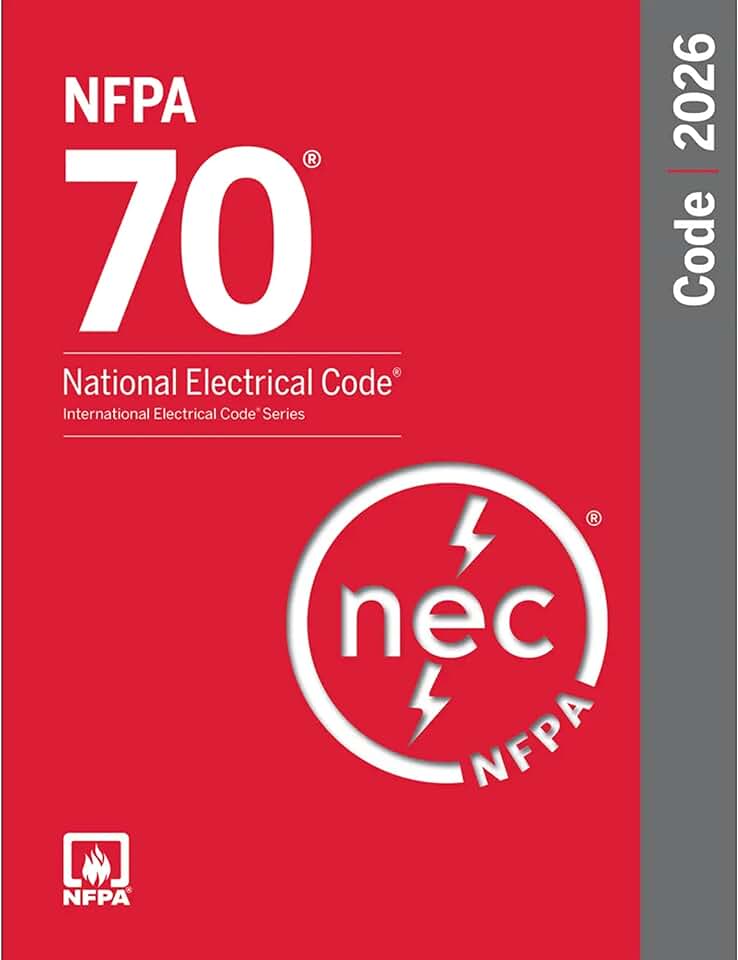
The NFPA 70 NEC 2026 Softbound edition is an indispensable resource for anyone involved in electrical design, installation, inspection, or maintenance. This latest iteration of the National Electrical Code provides the most up-to-date standards to ensure electrical safety in residential, commercial, and industrial settings.

Understanding and applying the NEC is not just a recommendation; it is a legal requirement in most jurisdictions across the United States. This book serves as the foundational text for electricians, engineers, contractors, inspectors, and even serious DIY enthusiasts who prioritize safety and compliance in their projects.
Quick Summary: NFPA 70 NEC 2026
Rating: 4.7/5 stars (95 reviews)
Price: $169.00 USD
Key Pros:
- Contains the absolute latest electrical safety standards and regulations.
- Essential for legal compliance in electrical installations and inspections.
- Softbound format offers portability and ease of use in the field.
Key Cons:
- Significant investment for a book updated every three years.
- Requires dedicated study and interpretation for effective application.
Table of Contents
NFPA 70 NEC 2026 Overview
The NFPA 70 NEC 2026 is the bedrock of electrical safety in the United States, published every three years by the National Fire Protection Association (NFPA). This comprehensive document establishes minimum safety standards for the installation of electrical wiring and equipment. Its primary goal is the practical safeguarding of persons and property from hazards arising from the use of electricity.
Each new edition of the NEC, including this 2026 version, incorporates critical updates and revisions based on technological advancements, lessons learned from electrical incidents, and feedback from industry professionals. These changes reflect evolving best practices and new challenges in electrical design and application.
The Softbound edition offers a practical, portable format that many professionals prefer for field use or quick reference. While digital versions and handbooks are available, the physical book provides a tangible resource that doesn’t require a power source and can be easily tabbed and annotated for personalized study.
Understanding the structure of the NEC is crucial for its effective use. It is divided into nine chapters, each addressing specific aspects of electrical installations, from general requirements and wiring methods to special conditions and communication systems. Navigating these chapters efficiently is a skill developed through consistent use.
The 2026 edition is expected to introduce significant changes in areas such as renewable energy systems, energy storage, electric vehicle charging infrastructure, and smart home technologies. These updates are vital for ensuring that electrical installations keep pace with modern demands and innovations, maintaining safety as technology advances.
For anyone in the electrical trade, keeping current with the latest NEC is not optional; it’s a professional imperative. Non-compliance can lead to failed inspections, legal liabilities, unsafe conditions, and costly rework. The NFPA 70 NEC 2026 is therefore an investment in professional competence and safety assurance.
The code is developed through a rigorous, consensus-based process involving hundreds of volunteers from various sectors of the electrical industry. This ensures that the code represents a balanced perspective and practical applicability, drawing on the collective experience of experts nationwide. For more information on the development process, visit the official NFPA website.
This softbound version is designed for durability and ease of handling, making it a suitable companion for electricians on job sites or for students in educational settings. It provides the full text of the code, including all tables, diagrams, and annexes that are essential for proper interpretation and application.
The importance of proper interpretation cannot be overstated. The NEC is a performance-based code in many areas, meaning it specifies desired outcomes rather than prescriptive methods. This flexibility requires users to have a deep understanding of the underlying principles and the intent behind each rule, which comes from careful study of texts like the NFPA 70 NEC 2026.
Many local jurisdictions adopt the NEC with specific amendments, so professionals must always cross-reference the national code with local requirements. However, the national code remains the foundational document upon which all local electrical regulations are built, making this book universally relevant.
NFPA 70 NEC 2026 Key Features & Specs
The NFPA 70 NEC 2026 Softbound edition comes packed with features that make it an essential tool for electrical professionals. Its primary specification is, of course, the inclusion of the complete and most current National Electrical Code, ensuring users have access to the very latest safety standards.
One of its key features is the softbound cover, which provides a balance between durability and flexibility. This format is lighter than hardcover versions, making it easier to carry to job sites, classrooms, or during inspections. The binding is designed to withstand frequent use, though it may show wear over time with heavy daily handling.
The internal layout of the code book is meticulously organized for clarity and ease of reference. It includes a detailed table of contents, a comprehensive index, and numerous cross-references to help users quickly locate specific articles and sections. This organization is crucial for efficient code application in time-sensitive situations.
Beyond the textual regulations, the NFPA 70 NEC 2026 also contains a wealth of supplementary material. This includes informative annexes that provide examples, tables, and guidance on various topics, which can be invaluable for understanding complex code requirements and their practical implications.
The code is presented in a clear, unambiguous language, though its technical nature often requires careful reading and interpretation. It utilizes specific terminology that is standardized across the electrical industry, fostering consistent understanding among professionals. The consistent format across editions helps seasoned users adapt quickly to new versions.
Specifically, the 2026 edition is anticipated to feature revisions in areas concerning energy efficiency, such as requirements for energy management systems and demand-side management. It will likely address the growing prevalence of distributed energy resources, including updated guidelines for solar photovoltaic (PV) systems and battery storage.
Another significant area of focus for the NFPA 70 NEC 2026 is the integration of smart home technologies and the Internet of Things (IoT) into electrical systems. This will include considerations for low-voltage power distribution, network cabling, and associated safety protocols to prevent hazards from interconnected devices.
The book also typically includes important dates for its effective adoption by various jurisdictions, though local authorities determine the exact implementation timeline. This information is crucial for professionals to understand when the new code provisions become enforceable in their working area.
While the physical dimensions and page count can vary slightly between print runs, the softbound version is generally designed to be manageable. Its robust paper quality helps prevent bleed-through if users choose to highlight or make notes within the pages, which is a common practice for code users.
The inclusion of clear diagrams, tables, and figures throughout the text significantly aids in understanding complex wiring methods and clearance requirements. These visual aids simplify the interpretation of dense code language, making the NFPA 70 NEC 2026 more accessible to a broader audience, including students and apprentices.
Pros & Cons
Evaluating the NFPA 70 NEC 2026 involves weighing its undeniable benefits against certain practical considerations. Understanding these aspects helps potential buyers make an informed decision about this essential publication.
Pros:
- Up-to-Date Electrical Safety Standards: The most significant advantage of the NFPA 70 NEC 2026 is its currency. It provides the absolute latest regulations and best practices in electrical safety, incorporating recent technological advancements and addressing new safety concerns. This ensures compliance and minimizes risks associated with outdated methods.
- Legal Compliance and Authority: This code is the legally mandated standard for electrical installations in most U.S. jurisdictions. Owning the current edition is crucial for passing inspections, avoiding penalties, and maintaining professional licenses. It serves as the authoritative reference for all electrical work.
- Comprehensive and Detailed Content: The NEC is renowned for its thoroughness, covering virtually every aspect of electrical installation from grounding and bonding to special occupancies and hazardous locations. Its detailed articles, tables, and annexes provide specific guidance that leaves little room for ambiguity, when properly interpreted.
- Enhanced Safety for Occupants and Property: Adhering to the NFPA 70 NEC 2026 standards drastically reduces the risk of electrical fires, shocks, and other hazards. This protects occupants, prevents property damage, and contributes to the overall safety and reliability of electrical systems in homes and businesses.
- Industry Standard for Professionals: For electricians, engineers, contractors, and inspectors, the NEC is the common language and benchmark for quality and safety. It facilitates clear communication and ensures that all parties involved in electrical projects are operating under the same set of rules and expectations.
- Softbound Portability: The softbound format makes the code book more flexible and lighter than its hardcover counterparts. This is particularly beneficial for professionals who need to carry the code to various job sites, allowing for quick on-site reference without undue bulk.
Cons:
- Significant Initial Investment: The price of the NFPA 70 NEC 2026, like previous editions, can be a notable expense, especially for individuals or small businesses. Given that a new edition is released every three years, this represents a recurring cost for staying compliant and current.
- Requires Extensive Study and Interpretation: The NEC is not a casual read. Its complex legal and technical language demands careful study, interpretation, and often supplementary training to be fully understood and correctly applied. Misinterpretation can lead to unsafe installations or failed inspections.
- Updates Can Be Overwhelming: For those who don’t regularly engage with the code, the changes and additions in each new edition can be substantial and challenging to grasp quickly. Keeping track of all revisions from the previous code cycle requires dedicated effort and comparative analysis.
- Not a “How-To” Guide: While it dictates what must be done, the NEC does not always explain how to achieve compliance. It sets the minimum standards but doesn’t provide step-by-step instructions for installation, requiring users to possess practical electrical knowledge and experience.
- Potential for Local Amendments: While the NEC is a national standard, many local jurisdictions adopt it with their own amendments. This means users must not only be familiar with the national code but also be aware of any local variations, adding another layer of complexity to compliance.
Who Should Buy the NFPA 70 NEC 2026?
The NFPA 70 NEC 2026 is not merely a book; it’s a foundational tool for a wide array of professionals and individuals whose work or interests intersect with electrical installations and safety. Identifying the key beneficiaries helps underscore its critical importance in various fields.
Licensed Electricians and Electrical Contractors:
This is arguably the primary audience. For licensed electricians and contractors, staying updated with the latest NEC is non-negotiable. It ensures their work is compliant, passes inspections, and minimizes liability. The NFPA 70 NEC 2026 is their daily reference, guiding every installation, repair, and upgrade.
Electrical Inspectors:
Inspectors rely on the current NEC to verify that electrical installations meet minimum safety standards before they are put into service. The 2026 edition provides them with the authoritative criteria to perform their duties effectively, ensuring public safety and code enforcement.
Electrical Engineers and Designers:
Engineers involved in designing electrical systems for residential, commercial, or industrial buildings must ensure their designs conform to the latest code. The NFPA 70 NEC 2026 informs their specifications, material selections, and system layouts, ensuring safety and functionality from the blueprint stage.
Apprentices and Electrical Students:
For those entering the electrical trade, the NEC is the fundamental textbook. Learning the code from the current edition is essential for understanding modern practices and passing licensing exams. It builds a strong foundation for a career in electrical work.
General Contractors and Project Managers:
While they may not directly perform electrical work, general contractors and project managers need a working knowledge of the NEC to oversee projects effectively. This includes ensuring subcontractors are compliant, understanding project timelines, and budgeting for code-required materials and methods.
Architects:
Architects often integrate electrical systems into their building designs. Familiarity with the NFPA 70 NEC 2026 helps them understand spatial requirements for electrical equipment, clearance zones, and overall structural implications of electrical installations, ensuring designs are feasible and safe.
Facility Managers and Maintenance Personnel:
Those responsible for maintaining existing electrical systems in commercial or industrial facilities must ensure ongoing compliance and safety. The NFPA 70 NEC 2026 helps them evaluate existing installations, plan upgrades, and troubleshoot issues in accordance with current standards.
Home Renovation Enthusiasts and Advanced DIYers:
While the NEC is highly technical, serious home renovators undertaking significant electrical work should consult the code. Understanding basic principles and key requirements can prevent dangerous errors and ensure that any DIY electrical projects are performed safely and to standard, even if professional help is ultimately needed for final connections or inspections. It provides a level of detail far beyond typical home improvement guides.
Manufacturers and Product Developers:
Companies that design and produce electrical equipment and devices must ensure their products are compatible with NEC requirements. The NFPA 70 NEC 2026 guides their product development, ensuring that their innovations can be safely and legally installed in various applications.
In essence, anyone whose work directly or indirectly impacts electrical safety and installation standards will find the NFPA 70 NEC 2026 an invaluable, if not mandatory, resource. It serves as the common denominator for safety and compliance across the entire electrical industry ecosystem.
Staying current with the latest edition is a continuous professional development requirement that ensures competence and adherence to the highest safety benchmarks. Its comprehensive nature makes it suitable for both detailed study and quick reference on the job. A good understanding of the code will lead to safer, more reliable electrical systems.
FAQ about NFPA 70 NEC 2026
Q1: What is the National Electrical Code (NEC)?
A1: The National Electrical Code, or NEC, is a widely adopted standard for the safe installation of electrical wiring and equipment in the United States. Published by the National Fire Protection Association (NFPA) as NFPA 70, it sets minimum safety requirements to protect people and property from electrical hazards. It is updated every three years to reflect new technologies and safety advancements.
Q2: Why is it important to buy the latest edition, the NFPA 70 NEC 2026?
A2: Purchasing the latest edition, the NFPA 70 NEC 2026, is crucial for several reasons. It ensures you are working with the most current safety standards and regulations, which are often legally mandated. New editions incorporate critical updates to address emerging technologies, improve existing provisions, and enhance overall electrical safety, preventing potential hazards and ensuring compliance with local authorities.
Q3: What types of changes can I expect in the 2026 edition compared to previous versions?
A3: While specific details are finalized closer to publication, the NFPA 70 NEC 2026 is expected to include significant revisions in areas such as renewable energy systems (e.g., solar, wind), energy storage solutions (batteries), electric vehicle charging infrastructure, and smart home technologies. It will likely feature updates to address new wiring methods, overcurrent protection, and grounding requirements, reflecting industry advancements and safety data.
Q4: Is the softbound version of the NFPA 70 NEC 2026 suitable for field use?
A4: Yes, the softbound version of the NFPA 70 NEC 2026 is highly suitable for field use. Its flexible cover makes it lighter and easier to carry than hardcover editions, allowing for convenient portability to job sites, classrooms, or inspection locations. While durable, users often opt for protective covers or careful handling to extend its lifespan under rigorous field conditions.
Q5: Can a homeowner or DIY enthusiast use the NFPA 70 NEC 2026?
A5: While the NFPA 70 NEC 2026 is primarily written for electrical professionals, serious homeowners and advanced DIY enthusiasts undertaking significant electrical projects can certainly use it as a reference. However, its technical language and comprehensive nature mean it requires dedicated study and a foundational understanding of electrical principles. It’s not a step-by-step DIY guide but rather a code of minimum requirements, emphasizing safety and compliance.
Q6: Does the NFPA 70 NEC 2026 replace local electrical codes?
A6: No, the NFPA 70 NEC 2026 does not directly replace local electrical codes. The NEC is a model code that most states and local jurisdictions adopt, often with specific amendments or modifications. It serves as the foundation for local codes, but it is always essential for professionals to be aware of and comply with any additional or modified requirements imposed by their specific local authority having jurisdiction (AHJ).
Q7: Are there any digital versions or companion guides available for the NFPA 70 NEC 2026?
A7: Yes, typically, the NFPA offers digital versions of the NEC, often through their NFPA LiNK platform, which provides enhanced search capabilities and interactive features. Various publishers and educational institutions also release companion guides, handbooks, and study aids that help interpret and apply the complex provisions of the NFPA 70 NEC 2026, making it more accessible for study and practical application. These resources can be extremely helpful for deeper understanding.
Q8: How often is the National Electrical Code updated?
A8: The National Electrical Code (NEC), NFPA 70, is updated on a three-year cycle. This regular revision schedule ensures that the code remains current with technological advancements, new electrical products, and evolving safety considerations. Each new edition, such as the NFPA 70 NEC 2026, incorporates changes based on proposals from the public and technical committees, maintaining its relevance and effectiveness in promoting electrical safety.
Final Verdict
The NFPA 70 NEC 2026 Softbound edition stands as an absolutely essential purchase for anyone operating within the electrical industry or undertaking significant electrical work. It is far more than just a book; it is the definitive guide to electrical safety and compliance across the United States. Its comprehensive nature, coupled with the latest updates, ensures that users are equipped with the most current and authoritative information available.
While the initial cost may seem like an investment, the value it provides in terms of safety, legal compliance, and professional competence is immeasurable. Avoiding costly rework, failed inspections, and, most importantly, preventing electrical hazards directly justifies the expense. This book is a cornerstone for responsible and safe electrical practices.
The softbound format offers a practical advantage for portability, making it a reliable companion whether you are on a bustling job site, in a classroom, or conducting an inspection. Its organized structure, detailed index, and supplementary materials facilitate efficient navigation and understanding of complex regulations, though dedicated study remains a prerequisite for mastery.
For licensed electricians, inspectors, engineers, and even advanced DIYers, staying current with the NFPA 70 NEC 2026 is not merely a recommendation but a professional and ethical obligation. It ensures that every electrical installation contributes to a safer environment, protecting both people and property from the inherent risks of electricity.
In conclusion, if your work or projects involve electrical systems, the NFPA 70 NEC 2026 is an outstanding and indispensable resource. It represents the pinnacle of electrical safety standards, offering clarity, authority, and the peace of mind that comes with knowing your work is compliant and safe. This guide is truly worth the investment for any serious professional or dedicated enthusiast.