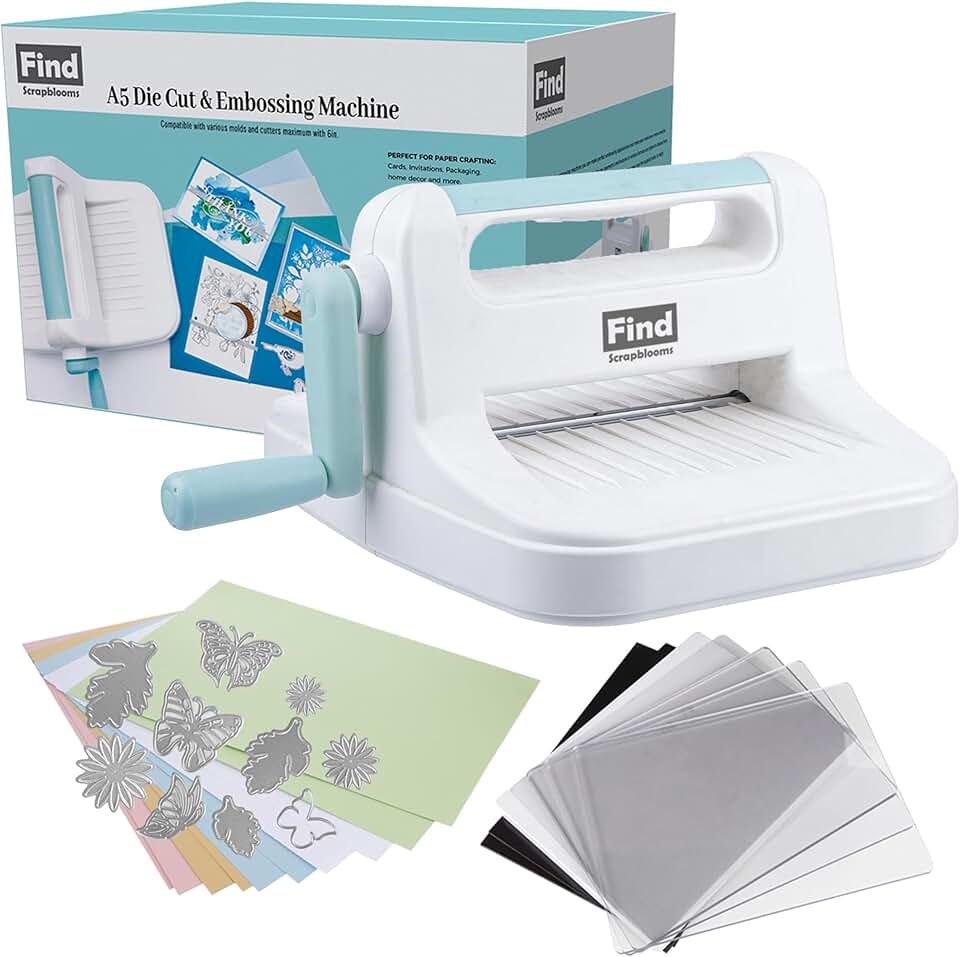
The Manual Die Cutting Machine is an indispensable tool for crafters, hobbyists, and small business owners looking to add precision and creativity to their projects. This versatile device allows you to cut intricate shapes and emboss various materials with ease, transforming ordinary paper, cardstock, and fabric into stunning works of art.
Quick Summary: Manual Die Cutting Machine
- Rating: 4.4 out of 5 stars
- Price: $63.99
- Key Pros:
- Exceptional versatility for cutting and embossing various materials.
- User-friendly manual operation, no electricity needed.
- Compact and portable design, ideal for small workspaces.
- Key Cons:
- Limited opening width for larger projects.
- Requires separate purchase of dies and embossing folders.
Table of Contents
Manual Die Cutting Machine Overview
The Manual Die Cutting Machine is engineered for crafters who appreciate precision and control in their creative endeavors. It offers a straightforward, non-electric method for cutting intricate designs and adding textured embossing to various materials. This particular model, with its 6-inch opening, provides a generous workspace for many popular die and embossing folder sizes.
Its robust construction ensures durability and consistent performance, making it a reliable addition to any crafting toolkit. Unlike electronic cutters, this manual machine requires no software, power outlets, or complex settings, appealing to users who prefer a hands-on approach and portability.
The machine operates through a simple hand-crank mechanism, which applies even pressure to cut or emboss materials when passed through its rollers. This mechanical action ensures clean cuts and crisp impressions, vital for professional-looking results in card making, scrapbooking, and other paper crafts.
Crafters often seek a reliable Manual Die Cutting Machine to expand their creative possibilities beyond what scissors or craft knives can achieve. Intricate lace patterns, delicate floral designs, and complex text can all be produced with remarkable accuracy and consistency, saving significant time and effort.
Furthermore, the embossing function allows for adding three-dimensional textures to flat materials, enhancing visual and tactile appeal. This dual functionality makes the machine a versatile asset for various projects, from personalized greeting cards to custom gift tags and decorative elements.
Its compact footprint means it won’t take up excessive space in your crafting area, and its manual operation ensures it can be used anywhere, anytime, without needing access to electricity. This makes it perfect for crafting on the go, at workshops, or even during power outages.
The design often includes suction cups or clamping mechanisms at the base to secure it firmly to a work surface during operation. This stability is crucial for achieving precise cuts and preventing movement that could compromise the accuracy of your designs. The overall user experience is designed to be intuitive for beginners while offering the quality and consistency demanded by experienced crafters.
Understanding the basics of die cutting and embossing can significantly elevate your crafting projects. For more general information on die cutting techniques, you might find resources like Wikipedia’s Die Cutting page helpful.
Key Features & Specs of This Manual Die Cutting Machine
This Manual Die Cutting Machine comes packed with features designed to enhance your crafting efficiency and creative output. Understanding these specifications helps in appreciating its value and how it can integrate into your existing crafting workflow. The 6-inch opening is a standout feature, accommodating a wide range of dies and embossing folders.
6-Inch Opening and Versatility
The machine’s 6-inch (approximately 15.24 cm) wide opening is a significant advantage. This width allows crafters to use standard-sized dies and embossing folders from various brands, offering considerable flexibility. It’s perfectly suited for card fronts, scrapbook pages, and smaller decorative elements, making it a versatile choice for many projects.
This capacity means you aren’t limited to proprietary dies, opening up a world of creative possibilities. Crafters can experiment with different styles and themes without needing multiple machines, streamlining their creative process and saving space.
Dual Functionality: Die Cutting and Embossing
One of the most compelling aspects of this machine is its ability to perform both die cutting and embossing. With the appropriate dies, you can cut precise shapes from paper, cardstock, felt, foam, and even thin fabric. Switching to embossing folders allows you to add beautiful textured patterns to your materials, creating depth and visual interest.
This dual capability effectively gives you two powerful crafting tools in one compact unit. It eliminates the need to purchase separate machines for cutting and embossing, making it a cost-effective and space-saving solution for any crafter.
Manual Crank Operation
The manual hand-crank system is simple yet highly effective. It provides excellent control over the pressure applied during cutting and embossing, which can be beneficial when working with different material thicknesses. This manual operation also means no reliance on electricity, making it an eco-friendly option and perfectly portable for crafting sessions anywhere.
Operating the crank is intuitive, requiring minimal effort to guide the cutting or embossing sandwich through the rollers. This ease of use makes the machine accessible to crafters of all skill levels, from beginners to seasoned artisans.
Compact and Portable Design
Measuring at a manageable size, this Manual Die Cutting Machine is designed for convenience. Its compact footprint ensures it fits comfortably on most crafting tables or desks without monopolizing space. The lightweight construction further enhances its portability, allowing crafters to easily transport it to classes, craft fairs, or friends’ houses.
Many users appreciate the ability to store it away neatly when not in use, keeping their crafting areas tidy and organized. This portability is a significant advantage for those with limited space or who enjoy crafting in different locations.
Durable Construction and Stability
Crafted from sturdy materials, the machine is built to withstand repeated use. Its robust internal mechanisms ensure consistent pressure and reliable performance over time. Often, these machines include suction feet or a base clamp to secure them to a workbench, preventing slippage during operation and ensuring precise results.
This stability is crucial for achieving clean, accurate cuts and perfectly embossed patterns. A stable machine reduces frustration and improves the overall quality of your finished projects, reflecting a thoughtful design.
Compatibility with Various Materials
While primarily used for paper and cardstock, this Manual Die Cutting Machine can often handle a surprising array of materials. Depending on the dies used, it can cut thin felt, craft foam, metallic foil, vellum, and even some thin fabrics. This broad material compatibility expands the scope of projects you can undertake, from textile art to intricate home decor.
Experimenting with different materials can unlock new creative avenues and add unique textures to your work. Always check the manufacturer’s recommendations for specific material compatibility to ensure optimal results and machine longevity.
Included Accessories and Sandwich Formula
Typically, a die cutting machine comes with a set of cutting plates or platforms that form the ‘sandwich’ with your die and material. Understanding the correct plate combination (the ‘sandwich formula’) is essential for successful cutting and embossing. This machine will likely include a base plate, cutting plates, and possibly a shim or adapter plate.
The instructions usually provide clear guidance on how to layer these plates for different dies and materials. Mastering the sandwich formula is key to achieving optimal pressure and extending the life of your cutting plates and dies. Proper plate maintenance is also important for consistent results.
Pros & Cons of the Manual Die Cutting Machine
Every crafting tool has its strengths and weaknesses, and the Manual Die Cutting Machine is no exception. A balanced understanding of its pros and cons can help you determine if it’s the right investment for your specific crafting needs and style. This section provides a detailed look at what makes this machine shine and where it might fall short.
Pros of the Manual Die Cutting Machine
- Exceptional Precision and Intricacy: This machine excels at cutting detailed and complex designs that would be impossible or incredibly time-consuming to achieve by hand. From delicate lace patterns to tiny letters, the machine delivers clean, crisp edges every time, elevating the professional look of your projects.
- Versatile Material Compatibility: Beyond standard paper and cardstock, this machine can handle a variety of materials, including thin felt, craft foam, cork, metallic foils, vellum, and even some thin leathers or fabrics. This versatility expands your creative horizons significantly, allowing for diverse crafting projects.
- Dual Functionality (Cutting & Embossing): The ability to both die-cut and dry-emboss with a single machine is a major advantage. This saves space and money, as you don’t need to purchase separate devices for these two distinct but often complementary crafting techniques.
- No Electricity Required: Its manual operation means you can use it anywhere, anytime. This portability is ideal for crafting groups, workshops, or simply moving your creative space around your home. It’s also an eco-friendly option, reducing energy consumption.
- Easy to Use and Learn: The mechanical hand-crank system is intuitive and straightforward. Beginners can quickly grasp the concept of creating a ‘sandwich’ with plates, dies, and material, and start producing beautiful results with minimal practice.
- Durable and Long-Lasting Construction: Manual die cutting machines are typically built with robust components, designed for longevity. With proper care and maintenance, this machine can be a staple in your craft room for many years, providing consistent performance.
- Cost-Effective: Compared to electronic cutting machines, manual models are generally more affordable upfront. While dies and embossing folders are separate purchases, the machine itself represents a budget-friendly entry into precision crafting.
- Quiet Operation: Unlike noisy electronic machines, the manual crank operates with minimal sound. This allows for a more peaceful crafting experience, especially important for those who craft in shared living spaces or late at night.
Cons of the Manual Die Cutting Machine
- Limited Cutting Area: The 6-inch opening, while versatile for many projects, can be a limitation for larger designs or scrapbook layouts that exceed this width. Crafters working on bigger projects might need to consider larger machines or find workarounds.
- Requires Physical Effort: As a manual machine, it requires physical effort to turn the crank, especially when cutting thicker materials or intricate dies. While generally not strenuous, it might be a consideration for individuals with hand strength limitations or joint issues.
- No Digital Design Capabilities: Unlike electronic cutters, this machine cannot connect to a computer or design software. You are limited to the physical dies and embossing folders you own, meaning no custom digital designs can be cut directly.
- Separate Purchase of Dies and Folders: The machine itself is only half the equation; you need to invest in a collection of dies and embossing folders to utilize its full potential. This can add significantly to the overall cost over time, although many crafters enjoy collecting them.
- Learning Curve for ‘Sandwich’ Combinations: While easy to use, mastering the correct ‘sandwich’ combination of plates, shims, and materials for optimal pressure can take some trial and error. Incorrect combinations can lead to incomplete cuts or damage to dies and plates.
Who Should Buy the Manual Die Cutting Machine?
Deciding if the Manual Die Cutting Machine is the right tool for you depends heavily on your crafting habits, project types, and priorities. This section will help you identify if you belong to the ideal user demographic for this versatile and precise crafting device.
Firstly, this machine is an excellent choice for beginners in paper crafting and card making. Its straightforward manual operation means there’s no complex software to learn, no Wi-Fi connectivity issues, and no power cables to manage. You can unbox it, read a few simple instructions, and start creating beautiful cuts and embossed textures almost immediately.
Hobbyists and casual crafters who enjoy creating greeting cards, scrapbook layouts, party decorations, or small home decor items will find this machine incredibly useful. It allows for quick and precise replication of shapes and patterns, saving countless hours compared to cutting by hand. The ability to emboss adds a professional, finished touch to any project.
For those who value portability and a clean, quiet crafting experience, the manual nature of this die cutter is a significant advantage. If you frequently attend crafting workshops, join crafting groups, or simply like to move your creative space from the desk to the kitchen table, its compact size and lack of power requirements make it an ideal companion.
Budget-conscious crafters will also appreciate the lower upfront cost of a manual die cutting machine compared to its electronic counterparts. While you will need to invest in dies and embossing folders, the initial outlay for the machine itself is much more accessible, making it a great entry point into the world of precision crafting.
Small business owners or entrepreneurs who create handmade items like custom invitations, unique packaging, or decorative tags in moderate quantities could also benefit. The consistent results and efficiency of the Manual Die Cutting Machine can streamline production for smaller batches, ensuring uniformity and quality.
Furthermore, individuals who prefer a tactile, hands-on approach to crafting will naturally gravitate towards this machine. There’s a certain satisfaction in physically turning the crank and feeling the resistance as the machine works its magic. It connects you more directly to the creative process, offering a more traditional crafting experience.
Conversely, if your projects primarily involve very large formats (e.g., cutting 12×12 inch scrapbook pages entirely), or if you need to cut custom designs directly from digital files, an electronic cutting machine might be a more suitable option. However, for the majority of paper and material crafting needs within its 6-inch capacity, this manual machine is a star performer.
Ultimately, if you’re looking for a reliable, easy-to-use, and versatile tool to add precision cuts and elegant embossing to your crafting projects without the complexities of electronics, then this Manual Die Cutting Machine is an excellent investment. It empowers you to elevate your creations with professional-looking details and textures.
FAQ about Manual Die Cutting Machine
Here are some frequently asked questions about the Manual Die Cutting Machine, providing detailed answers to help you make an informed decision and get the most out of your crafting tool.
Q1: What materials can this Manual Die Cutting Machine cut?
A1: This machine is highly versatile and can cut a wide range of materials. Primarily, it excels with paper, cardstock (up to 110lb or even thicker depending on the die), vellum, and metallic foils. It can also handle thin craft foam, felt, cork sheets, thin fabric, and even some lightweight chipboard. Always ensure the material thickness is compatible with your dies and the machine’s capabilities to prevent damage.
Q2: Do I need special dies for this machine?
A2: This Manual Die Cutting Machine typically works with most standard wafer-thin dies and steel rule dies up to its 6-inch opening width. Major brands like Sizzix, Spellbinders, and others usually produce dies that are compatible. It’s always a good idea to check the specific compatibility information provided by the machine’s manufacturer, but generally, universal dies will work.
Q3: How do I emboss with this Manual Die Cutting Machine?
A3: To emboss, you will need embossing folders. These folders have raised and recessed patterns. You place your material (e.g., cardstock) inside the embossing folder, then create a ‘sandwich’ with your machine’s plates according to the manufacturer’s instructions. This usually involves a base plate, the folder with material, and one or two cutting plates on top. Run this through the machine, and the pressure will impress the pattern onto your material.
Q4: Is this machine difficult to assemble or set up?
A4: No, the Manual Die Cutting Machine is renowned for its ease of setup. Most models come fully assembled, requiring only that you attach the handle (a simple screw-in process) and potentially secure it to your workspace with suction cups or a clamp. There’s no software installation or calibration needed, allowing you to start crafting almost immediately after unboxing.
Q5: What is the difference between a manual and electronic die cutting machine?
A5: The main difference lies in their operation and capabilities. A manual machine, like this one, uses a hand crank to apply pressure, cutting or embossing designs from physical dies and folders. An electronic machine, on the other hand, is computer-controlled, uses a blade to cut designs from digital files, often connects to software, and requires electricity. Manual machines are simpler, more portable, and generally less expensive, while electronic machines offer more customization and speed for digital designs.
Q6: How do I maintain my Manual Die Cutting Machine?
A6: Maintenance is minimal but crucial for longevity. Keep the machine clean by wiping it down regularly to remove dust and debris. Periodically check the rollers for any material residue. Store your cutting plates flat to prevent warping, and replace them when they become excessively warped or deeply cut, as this can affect cutting quality. Lubricating the gears annually with a small amount of machine oil (if accessible and recommended by the manufacturer) can also help ensure smooth operation.
Q7: Can I cut fabric with this machine?
A7: Yes, many manual die cutting machines can cut thin fabrics, especially when using steel-rule dies. However, success can vary depending on the fabric type, thickness, and the specific die. For best results with fabric, often a layer of fusible web or stabilizer is applied to the back of the fabric before cutting, which helps prevent fraying and provides a cleaner cut. Always test with a small scrap piece first.
Q8: What are the best practices for using dies to avoid damage?
A8: To extend the life of your dies, ensure you use the correct ‘sandwich’ combination for your material and die type, as per the machine’s instructions. Avoid forcing the sandwich through the machine if it feels too tight; adjust the plates or material thickness. Rotate your cutting plates frequently to distribute wear evenly, preventing deep grooves in one area. If a die doesn’t cut completely, try rotating it 90 degrees and running it through again, rather than adding excessive pressure.
Final Verdict
The Manual Die Cutting Machine stands out as an exceptional tool for crafters seeking precision, versatility, and ease of use without the complexities of electronic devices. Its ability to both die-cut intricate shapes and add beautiful embossed textures makes it a powerhouse for card making, scrapbooking, and various other paper and mixed-media projects.
With its 6-inch opening, it accommodates a broad range of standard dies and embossing folders, offering creative freedom. The manual operation ensures portability and quiet usage, making it perfect for any crafting environment, from a dedicated studio to a temporary workspace on the go. Its durable construction promises years of reliable performance.
While it requires an investment in dies and folders, and some physical effort to operate, the benefits far outweigh these minor considerations for the right user. The crisp, clean cuts and detailed embossing it produces elevate the quality of handmade items, giving them a professional and polished finish.
For beginners, it offers an accessible entry point into advanced crafting techniques, while seasoned crafters will appreciate its consistent results and robust design. If you value a hands-on approach, portability, and excellent value for precision crafting, this Manual Die Cutting Machine is undoubtedly a worthwhile addition to your creative arsenal.
It’s a tool that inspires creativity and delivers satisfaction with every turn of the handle, transforming simple materials into something truly special. Invest in this machine, and unlock a world of intricate designs and textured beauty for all your crafting endeavors.