The concept of connecting with the Earth’s natural energy, often referred to as ‘earthing’ or ‘grounding,’ has gained significant traction in recent years, leading to innovative products like the Barefoot Grounding Shoes for women. These unique shoes promise to bridge the gap between modern footwear and our ancestral connection to the planet, aiming to promote natural well-being through direct electrical contact. This in-depth review will explore whether these particular grounding shoes live up to their claims and are a worthwhile investment for those seeking a more primal connection with the ground beneath their feet.
Quick Summary: Barefoot Grounding Shoes
Rating: 3.4/5 Stars (out of 13 reviews)
Price: $110.00 USD
Key Pros:
- Promotes natural earthing/grounding benefits.
- Features a comfortable, wide toe box for natural foot splay.
- Stylish ‘Bitter Brown’ leather design offers versatile wear.
Key Cons:
- Durability concerns reported, particularly with the copper rivet.
- Higher price point for a product with limited reviews and potential longevity issues.
Table of Contents
Barefoot Grounding Shoes Overview
The concept behind Barefoot Grounding Shoes is rooted in two distinct philosophies: the barefoot movement and the practice of earthing. Barefoot shoes are designed to mimic the experience of walking unshod, promoting natural foot mechanics, strengthening intrinsic foot muscles, and improving balance and proprioception. They typically feature a wide toe box, zero-drop sole, and high flexibility.
Earthing, or grounding, refers to the practice of making direct physical contact with the surface of the Earth, such as standing barefoot on grass, soil, or sand. Proponents of earthing believe that this connection allows the body to absorb free electrons from the Earth, which can neutralize harmful free radicals and reduce inflammation, leading to various health benefits. These shoes aim to facilitate this connection even when wearing footwear.
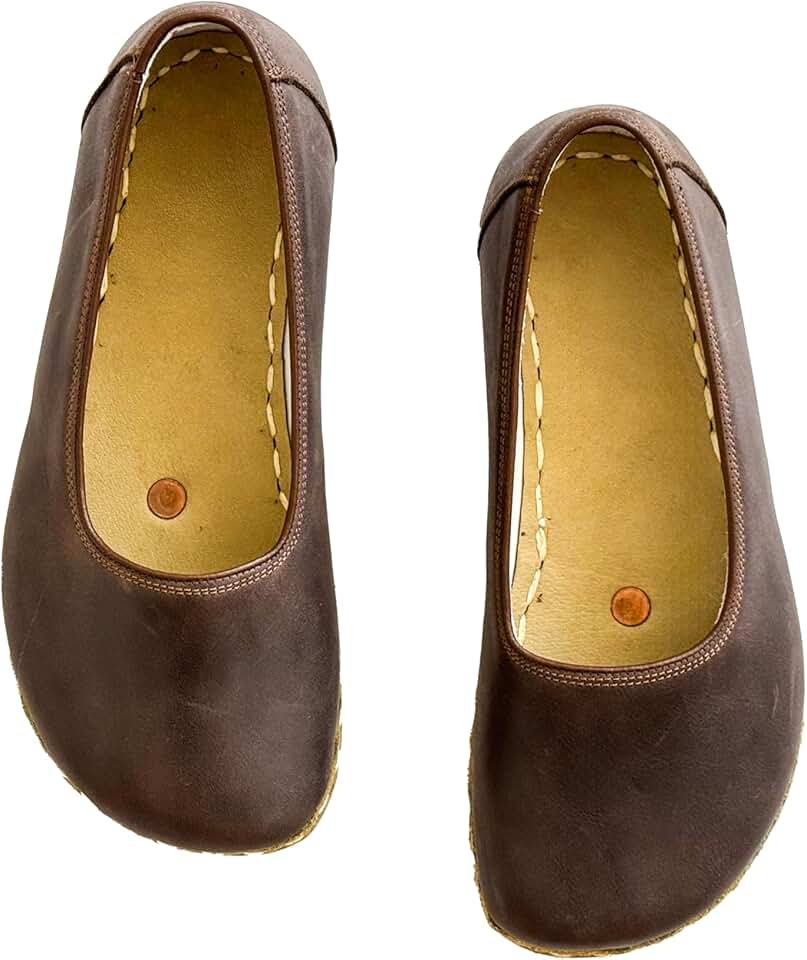
These particular Barefoot Grounding Shoes integrate a copper rivet into the sole, intended to create a conductive path between your foot and the ground. This design theoretically allows the wearer to maintain electrical contact with the Earth’s surface, even while wearing protective footwear. The idea is to combine the benefits of natural foot movement with the purported health advantages of grounding.
The aesthetic of these shoes, in ‘Bitter Brown’ leather, suggests a blend of natural utility and casual style. They are marketed as a versatile option for everyday wear, appealing to individuals who prioritize both comfort and a holistic approach to their health. The design aims to be unobtrusive, allowing the shoes to blend into various wardrobes while secretly performing their grounding function.
Understanding the science behind earthing is crucial for appreciating these shoes. The Earth’s surface carries a negative electrical charge, and when we make direct contact, our bodies can absorb these electrons. This influx of electrons is theorized to have antioxidant effects, potentially reducing chronic inflammation, improving sleep quality, and alleviating pain. While scientific research is ongoing, many users report significant improvements in their well-being.
The minimalistic construction of these shoes aligns perfectly with the barefoot philosophy. By removing traditional arch support, cushioning, and heel elevation, the shoes encourage your feet to function as nature intended. This can lead to stronger feet over time, better posture, and a more natural gait, reducing stress on joints and improving overall body alignment. The integration of grounding technology adds another layer to this natural approach.
For those new to barefoot or grounding footwear, there might be an adjustment period. Your feet and lower legs may need time to adapt to the lack of cushioning and the increased muscle engagement. However, advocates often describe a feeling of enhanced connection to their surroundings and improved physical comfort once the transition is complete. These shoes are designed to support that journey toward greater natural movement and health.
The target audience for these shoes is broad, ranging from health-conscious individuals exploring alternative wellness practices to outdoor enthusiasts who want to maintain an electrical connection with nature. They also appeal to those who value sustainable and natural materials, given their leather construction. The blend of style, comfort, and functional benefits makes them an intriguing option in the specialized footwear market.
Barefoot Grounding Shoes Key Features & Specs
These Barefoot Grounding Shoes are designed with several specific features that aim to deliver both the benefits of barefoot walking and the advantages of earthing. Understanding these components is key to evaluating their effectiveness and suitability for your needs. Each element contributes to the overall function and user experience of the footwear.
Copper Rivet for Earthing
The most distinctive feature is the copper rivet embedded in the sole. This rivet is strategically placed to make direct contact with the ground, creating a conductive pathway. For effective grounding, it is crucial that this rivet also makes direct contact with your skin or a conductive sock, allowing electrons to flow from the Earth through the shoe and into your body. This is the primary mechanism by which the shoes claim to provide earthing benefits.
The effectiveness of this rivet depends on several factors, including the type of ground you are walking on. Moist soil, grass, and sand are excellent conductors, while asphalt, concrete, and synthetic surfaces are typically insulative. Users should be aware that the grounding effect will vary significantly based on the environment. Maintenance of the rivet is also important, as corrosion or damage could impair conductivity over time.
Barefoot Design Elements
Wide Toe Box
A hallmark of barefoot footwear, the wide toe box allows your toes to splay naturally, just as they would if you were walking unshod. This prevents compression of the toes, which is common in conventional shoes and can lead to issues like bunions, hammertoes, and neuromas. The ample space promotes better balance and strengthens the muscles and ligaments in your feet.
This design encourages natural toe alignment and improves overall foot health. It’s particularly beneficial for individuals who have experienced discomfort or deformities from restrictive footwear. The freedom of movement for your toes can also enhance proprioception, providing a better sense of your body’s position in space.
Zero-Drop Sole
The zero-drop sole means there is no height difference between the heel and the forefoot. This flat profile encourages a more natural gait, promoting midfoot or forefoot striking rather than heel striking. A zero-drop design aligns the spine and pelvis more naturally, reducing strain on the back and knees often associated with elevated heels found in traditional shoes.
This design choice helps to redistribute pressure evenly across the foot, engaging muscles that might be dormant in heeled shoes. It can improve posture and contribute to a stronger, more efficient stride. Transitioning to zero-drop shoes should be gradual to allow your body to adapt to this new biomechanical input.
Flexible Sole
The sole of these grounding shoes is designed to be highly flexible, allowing your foot to bend and flex naturally with each step. This flexibility is essential for mimicking the barefoot experience, enabling your foot’s natural articulation and providing sensory feedback from the ground. A flexible sole promotes better ground feel, which is crucial for balance and agility.
This feature allows your foot to adapt to uneven terrain, strengthening the muscles and improving overall foot strength. The ability to feel the ground beneath you can also enhance your connection to your surroundings, aligning with the holistic benefits promoted by both barefoot and earthing philosophies. The material of the sole, while flexible, must also offer adequate protection from sharp objects.
Material and Construction
These shoes are crafted from leather, a natural material known for its durability, breathability, and ability to mold to the foot over time. The ‘Bitter Brown’ color offers a rustic yet versatile aesthetic, suitable for various casual and semi-casual settings. Leather also provides a degree of natural water resistance, though it is not waterproof and should be treated for prolonged exposure to moisture.
The quality of the leather and stitching plays a significant role in the shoe’s longevity and comfort. Well-constructed leather shoes can last for years, developing a unique patina that adds character. The breathability of leather helps to regulate foot temperature, keeping feet comfortable in different climates. However, leather requires proper care to maintain its condition and extend its lifespan.
Style and Versatility
Despite their specialized function, these shoes are designed with an eye for style. The ‘Bitter Brown’ hue is a classic, earthy tone that pairs well with denim, chinos, and various casual outfits. Their minimalist design avoids the bulky appearance of many conventional shoes, making them a discreet choice for those who want the benefits of barefoot and grounding without sacrificing fashion.
While marketed for women, the style is fairly unisex, making them a potential option for anyone seeking this combination of features. Their versatility means they can be worn for daily errands, light outdoor activities, or simply as comfortable, health-conscious footwear around the home. The understated design ensures they complement rather than dominate an outfit.
Comfort and Sizing
Comfort is a primary consideration for any footwear, and these shoes aim to deliver it through their anatomical design. The wide toe box and flexible sole contribute significantly to a comfortable fit, allowing for natural foot movement. However, as with all shoes, individual foot shape and preferences will influence the perception of comfort.
Sizing accuracy is often a concern with online purchases. It is recommended to consult the manufacturer’s sizing chart and potentially measure your feet to ensure the best fit. Barefoot shoes often have a slightly different fit compared to traditional shoes, so careful consideration of sizing is important to maximize comfort and the intended benefits. Some users might find a break-in period necessary for the leather to soften and conform to their feet.
Pros & Cons
Evaluating any product requires a balanced look at its strengths and weaknesses. The Barefoot Grounding Shoes offer a unique combination of features, but like all products, they come with their own set of advantages and potential drawbacks. Understanding these can help you make an informed decision about whether these shoes align with your expectations and needs.
Pros:
- Effective Earthing Potential: The integrated copper rivet provides a direct conductive path to the Earth, which is the core promise of these shoes. For individuals seeking the purported health benefits of grounding, this feature is paramount. Users who believe in earthing will appreciate the continuous connection it offers during daily activities.
- Exceptional Comfort and Foot Health: The wide toe box, zero-drop design, and flexible sole work together to promote natural foot mechanics. This design allows for proper toe splay, strengthens foot muscles, and can alleviate discomfort caused by conventional, restrictive footwear. Many users report increased comfort and improved foot health over time.
- Stylish and Versatile Design: The ‘Bitter Brown’ leather gives these shoes a classic and earthy aesthetic that can be easily integrated into various casual wardrobes. Their minimalist appearance makes them suitable for a range of occasions, from everyday errands to light outdoor use, without drawing excessive attention to their specialized function. They offer a blend of function and fashion.
- Promotes Natural Movement and Posture: By encouraging a natural gait and providing sensory feedback from the ground, these shoes can help improve posture and balance. The lack of artificial support forces your feet to work as intended, leading to stronger feet and ankles, and potentially reducing strain on other joints. This aligns with a holistic approach to physical well-being.
- High-Quality Materials: Constructed from genuine leather, these shoes offer breathability, durability, and a material that molds to your feet over time. Leather is a natural material that provides a comfortable and long-lasting upper, contributing to the overall quality feel of the product. Proper care can extend the life of these leather shoes significantly.
Cons:
- Durability Concerns with Copper Rivet: Several user reviews highlight issues with the copper rivet detaching or wearing down relatively quickly. This is a significant concern, as the rivet is central to the shoe’s grounding function. If the rivet fails, the primary benefit of the shoe is compromised, undermining its value proposition.
- Price Point vs. Perceived Value: At $110.00, these shoes are positioned at a mid-to-high price point for casual footwear. Given the reported durability issues, particularly with the critical grounding component, some customers may find the price to be excessive for the longevity or reliability offered. The investment might not feel justified if the shoes don’t hold up.
- Limited Reviews and Brand Recognition: With only 13 reviews and a 3.4-star rating, there isn’t extensive user feedback to provide a comprehensive picture of long-term satisfaction. This limited data makes it harder for potential buyers to assess common issues or consistent positive experiences, adding a degree of uncertainty to the purchase. A newer brand might also have less established quality control processes.
- Water Resistance and Grounding in Wet Conditions: While leather offers some natural water resistance, these shoes are not waterproof. Prolonged exposure to wet conditions could damage the leather and potentially affect the conductivity of the copper rivet. Maintaining effective grounding in very wet or muddy environments might be challenging, and the shoes themselves might not be designed for such use.
- Potential Break-in Period: As with many leather shoes, there might be a break-in period required for the material to soften and conform to the unique shape of your foot. This initial stiffness could cause minor discomfort for some users before the shoes become truly comfortable. Patience is key during this adaptation phase for optimal long-term wear.
Who Should Buy the Barefoot Grounding Shoes?
The Barefoot Grounding Shoes cater to a very specific niche, combining interests in natural health, minimalist footwear, and holistic wellness. These shoes are not for everyone, but for the right individual, they could be a valuable addition to their lifestyle. Understanding the ideal user profile is crucial for determining if these shoes are a good fit for you.
Firstly, these shoes are perfect for individuals who are genuinely interested in or already practice earthing and grounding. If you believe in the health benefits of connecting with the Earth’s natural energy, such as reduced inflammation, improved sleep, or decreased stress, these shoes offer a convenient way to maintain that connection throughout your day. They serve as a practical tool to integrate grounding into a busy, modern life, especially when going barefoot isn’t feasible.
Secondly, advocates of the barefoot shoe movement will find these shoes appealing. If you appreciate footwear with a wide toe box, zero-drop sole, and high flexibility that promotes natural foot movement and strengthens foot muscles, these shoes align with your philosophy. They are ideal for those looking to transition away from traditional, restrictive footwear or for seasoned barefoot wearers seeking an earthing-compatible option.
Thirdly, people experiencing certain foot issues, such as bunions, hammertoes, or general discomfort from compressed toes, could benefit significantly from the wide toe box design. The ample space allows the toes to splay naturally, potentially alleviating pain and preventing further deformity. This focus on anatomical correctness makes them a therapeutic choice for those with specific foot health concerns.
Furthermore, consumers who prioritize natural materials and a minimalist aesthetic will appreciate the ‘Bitter Brown’ leather construction and understated design. If you value products that are both functional and stylish, and prefer an earthy, versatile look, these shoes could be a great choice. They offer a sophisticated take on health-conscious footwear that doesn’t compromise on appearance.
These shoes are also suitable for individuals seeking a more holistic approach to their well-being, moving away from conventional solutions that often involve excessive cushioning and arch support. If you are keen on empowering your body’s natural capabilities and believe in the benefits of a direct connection to nature, these shoes provide a practical means to support that lifestyle choice. They represent an investment in a different kind of health and comfort.
Moreover, if you are looking for a unique and thoughtful gift for someone passionate about natural health, yoga, outdoor living, or minimalist fashion, these Barefoot Grounding Shoes could be an excellent option. They combine several popular wellness trends into a single, functional product, making them a distinctive present for the health-conscious individual in your life. Their specialized nature adds to their appeal as a gift.
On the other hand, if you expect traditional athletic shoe cushioning or robust arch support, these shoes are not for you. They are designed to allow your feet to work naturally, which means less artificial support. Similarly, if you are skeptical about the scientific basis of earthing, the primary differentiating feature of these shoes might not hold much value for you. Your personal belief system regarding wellness practices will heavily influence your satisfaction with this product.
Finally, consider your budget and expectations for durability. While the concept is compelling, the reported issues with the copper rivet’s longevity are a point of concern. If you are willing to invest in a niche product with potentially varying durability, or if the grounding benefits outweigh these concerns, then these shoes might still be a worthwhile purchase. It’s a trade-off between innovative functionality and proven long-term resilience based on current reviews.
FAQ about Barefoot Grounding Shoes
Many questions often arise when considering specialized footwear like Barefoot Grounding Shoes. Here are some common inquiries to help clarify how these shoes work and what to expect from them. Understanding these details can aid in making an informed purchase decision and maximizing the benefits.
Q1: How do these shoes “ground” you?
A1: These shoes ground you through a copper rivet embedded in the sole. This rivet creates a conductive pathway, allowing electrons from the Earth to flow through the shoe and into your body. For optimal effect, the rivet needs to make direct contact with your skin or through a conductive sock, ensuring continuous electrical connection with the ground surface.
Q2: Are barefoot shoes good for your feet?
A2: Many proponents argue that barefoot shoes are excellent for foot health. They promote natural foot mechanics, strengthen intrinsic foot muscles, and improve balance by allowing toes to splay and feet to move unrestricted. However, a transition period is often necessary to adapt to the lack of traditional cushioning and support, especially if you’re used to conventional footwear.
Q3: Can I wear socks with these shoes and still get grounded?
A3: It depends on the material of your socks. Most synthetic or cotton socks are insulative and will block the grounding connection. To maintain grounding while wearing socks, you would need to use specialized conductive socks that allow the electrical current to pass through to the copper rivet. Direct skin contact with the rivet is the most reliable method.
Q4: Are they waterproof?
A4: While the leather upper offers some natural water resistance, these shoes are not fully waterproof. Prolonged exposure to heavy rain or standing water could damage the leather and potentially compromise the copper rivet’s conductivity. For optimal longevity and function, it’s best to avoid very wet conditions or treat them with a waterproofing agent suitable for leather.
Q5: How do I clean them?
A5: As these shoes are made of leather, they should be cleaned using appropriate leather care products. Gently wipe off dirt with a damp cloth, and use a leather cleaner or conditioner to maintain the material’s suppleness and appearance. Avoid harsh chemicals or excessive water, which can damage the leather and affect the grounding components. Regular cleaning and conditioning will extend their life.
Q6: What is a wide toe box? Why is it important?
A6: A wide toe box is the front part of the shoe that is shaped to allow your toes to spread out naturally, without compression. This is important because it supports natural foot alignment, prevents common foot deformities like bunions and hammertoes, and enhances balance and comfort. It allows your feet to function as nature intended, promoting overall foot health.
Q7: Is the copper rivet durable?
A7: Based on some user feedback, there have been concerns regarding the durability of the copper rivet. Some reviews indicate that the rivet can detach or wear down faster than expected, which would compromise the grounding function. The longevity of the rivet can depend on usage, walking surfaces, and manufacturing consistency. It’s a point to consider when assessing long-term value.
Q8: What’s the difference between these and regular shoes?
A8: The key differences lie in their design philosophy and added functionality. Regular shoes often feature narrow toe boxes, elevated heels, and significant cushioning and arch support. These Barefoot Grounding Shoes, however, have a wide toe box, zero-drop sole, and high flexibility to promote natural foot movement, plus a copper rivet for earthing. They prioritize natural foot health and electrical connection to the Earth over traditional support. You can learn more about the general science of earthing from reputable sources like The Earthing Institute.
Final Verdict
The Barefoot Grounding Shoes present a compelling product for a specific audience: those deeply invested in both the barefoot movement and the practice of earthing. Their core promise of connecting you to the Earth’s natural energy while promoting natural foot health is certainly intriguing. The wide toe box, zero-drop design, and flexible sole are all excellent features that align with principles of optimal foot mechanics, offering comfort and potential long-term benefits for foot strength and posture.
The ‘Bitter Brown’ leather aesthetic also provides a stylish and versatile option, allowing users to integrate these specialized shoes into their daily wardrobe without compromise. For individuals seeking to reduce inflammation, improve sleep, or simply feel more connected to nature, these shoes offer a convenient, daily solution. They cater to a growing demand for holistic wellness products that merge seamlessly with modern life.
However, the relatively low rating of 3.4 stars from a limited number of reviews, coupled with specific concerns about the durability of the crucial copper rivet, gives pause. The effectiveness of the grounding feature hinges entirely on this component, and reports of its premature wear or detachment are significant drawbacks. At a price point of $110, consumers expect a certain level of robustness and longevity, which appears to be inconsistent based on current feedback.
Ultimately, whether these Barefoot Grounding Shoes are