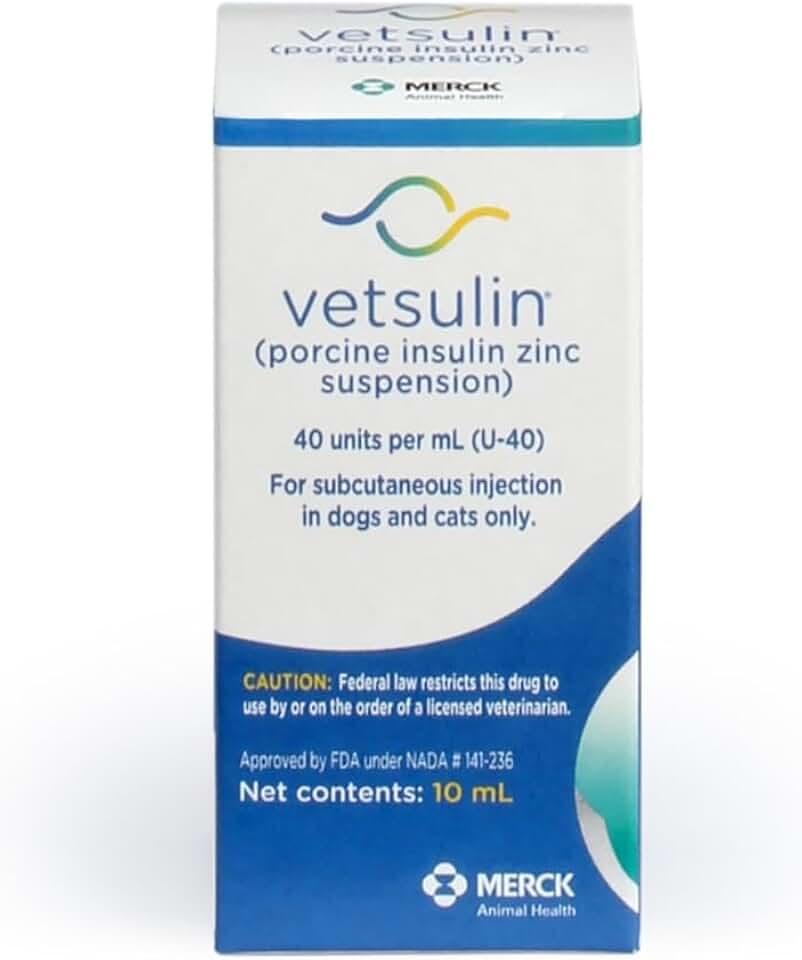
Managing diabetes in pets is a significant responsibility, and finding the right medication is paramount for their health and well-being. The VETSULIN Insulin for Dogs Cats, a porcine insulin zinc suspension, is a widely recognized and veterinarian-prescribed treatment designed specifically to help regulate blood glucose levels in diabetic canines and felines. This 10mL U-40 formulation offers a crucial tool for pet owners navigating the complexities of pet diabetes, providing a consistent and effective solution.
Quick Summary: VETSULIN Insulin for Dogs Cats
Rating: 4.2 out of 5 stars
Price: $79.99 (at time of review)
Key Pros:
- Specifically formulated for dogs and cats, ensuring appropriate efficacy.
- U-40 concentration is commonly used and easy to dose with U-40 syringes.
- Trusted and widely recommended by veterinarians for pet diabetes management.
Key Cons:
- Requires strict storage conditions (refrigeration) and careful handling.
- Can be a significant ongoing cost for pet owners.
Table of Contents
VETSULIN Insulin for Dogs Cats Overview
Diabetes mellitus, a chronic metabolic disorder, affects a significant number of dogs and cats globally, requiring consistent management to ensure a good quality of life. The VETSULIN Insulin for Dogs Cats is a cornerstone in this management, providing an exogenous source of insulin to help regulate blood sugar levels. This particular formulation is a porcine insulin zinc suspension, meaning it is derived from pigs, which makes it structurally very similar to canine insulin. This similarity often leads to a more predictable and effective response in diabetic dogs.
For cats, while their natural insulin is not identical to porcine insulin, VETSULIN has also proven to be an effective treatment option, particularly in cases where feline diabetes is similar to Type I diabetes in humans. The U-40 concentration is a critical aspect of this product. It means there are 40 units of insulin per milliliter of solution. This specific concentration necessitates the use of U-40 syringes for accurate dosing, preventing potential under or overdosing that could have severe health implications for the pet.
Understanding the role of insulin is fundamental to appreciating the value of VETSULIN. Insulin is a hormone produced by the pancreas that allows glucose (sugar) from food to enter cells, where it is used for energy. In diabetic pets, either the pancreas does not produce enough insulin (insulin-deficient diabetes) or the body’s cells do not respond properly to the insulin produced (insulin-resistant diabetes). VETSULIN steps in to bridge this gap, helping to transport glucose into cells and thereby lowering dangerously high blood sugar levels.
The 10mL vial size is designed to provide a reasonable supply for many pets, depending on their individual dosage requirements. It’s important to note that VETSULIN is a prescription medication, and its use must always be guided by a licensed veterinarian. A vet will determine the appropriate starting dose, monitor the pet’s response through regular blood glucose curves, and adjust the dosage as necessary to achieve optimal blood sugar control. Self-medication or altering prescribed dosages can be extremely dangerous for diabetic animals.
This product is not merely a drug; it is a vital component of a comprehensive diabetes management plan that includes diet, exercise, and consistent monitoring. Pet owners must commit to a routine of administration, typically once or twice daily, at specific times, often in conjunction with meals. The consistency of this routine directly impacts the stability of the pet’s blood glucose levels and, consequently, their overall health and longevity.
The suspension nature of VETSULIN means it requires gentle mixing before each use to ensure the insulin is evenly distributed. This is a crucial step that, if overlooked, can lead to inconsistent dosing and erratic blood sugar control. The manufacturer, MSD Animal Health, provides clear instructions on handling and administration, emphasizing the importance of proper technique for both efficacy and safety. For more information on VETSULIN, you can visit the official MSD Animal Health website.
Ultimately, VETSULIN Insulin for Dogs Cats represents a lifeline for many diabetic pets, offering a means to live a relatively normal and healthy life despite their condition. Its proven efficacy and veterinary endorsement make it a trusted choice for pet owners dedicated to managing their animal’s diabetes effectively. However, the success of treatment hinges on diligent owner compliance, regular veterinary check-ups, and a thorough understanding of the medication’s proper use and storage.
VETSULIN Insulin for Dogs Cats Key Features & Specs
The design and formulation of VETSULIN Insulin for Dogs Cats are tailored specifically for veterinary use, making it distinct from human insulin products. Understanding its key features and specifications is crucial for proper administration and effective diabetes management in pets.
Porcine Insulin Zinc Suspension
This is a fundamental characteristic of VETSULIN. The insulin is derived from pigs, which has a molecular structure very similar to canine insulin. This structural similarity is a major advantage, as it minimizes the risk of immune reactions and allows for more predictable blood glucose control in dogs. While less similar to feline insulin, it has still proven highly effective for many diabetic cats.
The zinc component in the suspension helps to prolong the action of the insulin, providing a longer duration of effect compared to some other insulin types. This sustained release is beneficial for maintaining more stable blood glucose levels throughout the day, reducing the frequency of injections needed. The suspension nature means the insulin particles are suspended in a liquid, requiring gentle mixing before each dose.
U-40 Concentration (40 IU/mL)
One of the most critical specifications of VETSULIN is its U-40 concentration. This means there are 40 International Units (IU) of insulin per milliliter (mL) of solution. This specific concentration dictates that only U-40 insulin syringes should be used for administration. Using a U-100 syringe with U-40 insulin would result in a significant underdose, potentially leading to hyperglycemia and inadequate diabetes control. Conversely, using a U-40 syringe with U-100 insulin would lead to a severe overdose, which can be life-threatening.
The U-40 concentration is a standard in veterinary medicine for certain insulin types, and specialized U-40 syringes are readily available and clearly marked to prevent confusion. These syringes are typically designed with smaller increments, allowing for precise dosing even for very small animals or those requiring low insulin doses.
10mL Vial Volume
Each vial of VETSULIN contains 10 milliliters of the insulin suspension. This volume is generally sufficient for several weeks to a few months of treatment, depending on the size of the pet and their prescribed dosage. The 10mL size balances providing enough medication without being excessively large, which could lead to waste if the pet’s dosage changes or if the vial expires before full use. It also helps manage the cost for pet owners by not having to purchase very large, expensive vials that might not be fully utilized.
Storage Requirements
VETSULIN requires strict storage conditions to maintain its efficacy. It must be stored refrigerated at temperatures between 36-46°F (2-8°C). Freezing the insulin will destroy its effectiveness and render it unusable. It should also be protected from light and kept in its original carton until use. Once opened, the vial typically has a limited shelf life, often around 42 days (6 weeks), even when refrigerated. It is crucial to mark the opening date on the vial and discard any unused portion after this period to ensure potency and safety.
Administration Method
VETSULIN is administered via subcutaneous injection, meaning it is injected just under the skin. This method allows for gradual absorption into the bloodstream. Proper injection technique, including drawing the correct dose, finding an appropriate injection site (typically the scruff of the neck or flank), and ensuring the needle enters the subcutaneous space, is vital. Pet owners are usually trained by their veterinarian on how to administer the injections safely and effectively at home. Consistency in injection time, usually after a meal, is key to maintaining stable blood glucose levels.
Prescription-Only Medication
As a potent pharmaceutical, VETSULIN is available only by veterinary prescription. This ensures that a qualified professional assesses the pet’s condition, diagnoses diabetes, and determines the appropriate treatment plan. Regular follow-up appointments, including blood glucose monitoring and potentially fructosamine level checks, are necessary to adjust the dosage and monitor the pet’s response to therapy. This medical oversight is crucial for the safety and effectiveness of the treatment.
In summary, the specific features of VETSULIN Insulin for Dogs Cats, from its porcine origin and U-40 concentration to its storage and administration protocols, are all designed to provide a reliable and effective solution for managing pet diabetes. Adherence to these specifications is not just recommended but essential for the health of diabetic pets.
Pros & Cons
When considering any medication for a beloved pet, a thorough evaluation of its advantages and disadvantages is essential. VETSULIN Insulin for Dogs Cats, while a highly effective treatment for pet diabetes, comes with its own set of pros and cons that pet owners should be aware of.
Pros of VETSULIN Insulin for Dogs Cats:
- Targeted Formulation for Pets: VETSULIN is specifically developed for dogs and cats, unlike human insulin formulations that might not always provide the optimal pharmacokinetic profile for animals. Its porcine origin is particularly advantageous for dogs due to the high structural similarity to canine insulin, leading to more predictable responses and fewer immune reactions.
- Veterinarian Recommended and Trusted: This insulin has a long history of use and is widely recognized and prescribed by veterinarians globally. Its efficacy and safety profile in diabetic dogs and cats are well-established through clinical experience and studies, giving pet owners confidence in its use.
- U-40 Concentration for Precise Dosing: The U-40 concentration, while requiring specific syringes, allows for very fine and precise dosing, especially for smaller animals or those requiring minute adjustments. This precision is critical in diabetes management, where even small variations in dose can significantly impact blood glucose levels.
- Consistent and Predictable Action: As an intermediate-acting insulin, VETSULIN typically provides a sustained effect, helping to maintain blood glucose levels within a target range for an extended period. This predictability aids in establishing a stable daily routine for both the pet and the owner, contributing to better overall health outcomes and reduced fluctuations in blood sugar.
- Availability of U-40 Syringes: While U-40 is a specific concentration, U-40 syringes are readily available through veterinary clinics and pharmacies. These syringes are clearly marked and designed to match the insulin concentration, minimizing the risk of dosing errors when used correctly.
- Improved Quality of Life for Pets: When diabetes is well-managed with VETSULIN, pets can experience a dramatic improvement in their quality of life. Symptoms like excessive thirst, urination, weight loss, and lethargy can be significantly reduced or eliminated, allowing pets to return to their normal activities and enjoy a healthier, happier existence.
Cons of VETSULIN Insulin for Dogs Cats:
- Strict Storage Requirements: VETSULIN must be refrigerated at all times (36-46°F or 2-8°C) and protected from light and freezing. This can be inconvenient for travel or in situations where refrigeration is not consistently available. Improper storage can lead to loss of potency, rendering the medication ineffective.
- Limited Shelf Life Once Opened: After the vial is opened, VETSULIN typically has a limited shelf life, usually around 42 days (6 weeks), even when properly refrigerated. This means that if a pet requires a very low dose, a significant portion of the vial might need to be discarded, leading to potential waste and increased cost over time.
- Requires Daily Injections: Pet owners must be prepared to administer injections, often once or twice daily, for the remainder of their pet’s life. This requires commitment, training, and overcoming any initial apprehension about giving injections. Missing doses or inconsistent timing can severely disrupt blood glucose control.
- Potential for Dosing Errors: While U-40 syringes are designed for precision, there is always a risk of dosing errors if the wrong type of syringe is used (e.g., U-100 syringes) or if the pet owner is not properly trained or careful. Incorrect dosing can lead to serious health complications, including hypoglycemia (dangerously low blood sugar) or hyperglycemia (dangerously high blood sugar).
- Ongoing Financial Commitment: Diabetes is a chronic condition, and VETSULIN is an ongoing expense. The cost of the insulin, along with syringes, needles, regular veterinary check-ups, blood glucose monitoring supplies, and special diets, can accumulate, representing a significant financial commitment for pet owners.
- Need for Consistent Routine: Effective diabetes management with VETSULIN demands a highly consistent daily routine regarding injection times and feeding schedules. Any deviation can lead to fluctuations in blood sugar, making it challenging to stabilize the pet’s condition. This can impact the owner’s flexibility and daily schedule.
Weighing these pros and cons carefully is vital for any pet owner whose animal has been diagnosed with diabetes. While the commitment is substantial, the benefits of effective management with VETSULIN Insulin for Dogs Cats often far outweigh the challenges, providing pets with a greatly improved quality of life.
Who Should Buy the VETSULIN Insulin for Dogs Cats?
The decision to purchase and administer VETSULIN Insulin for Dogs Cats is not one to be made lightly, as it involves a significant commitment to your pet’s health. This medication is specifically for pet owners whose dogs or cats have been diagnosed with diabetes mellitus by a licensed veterinarian. It is a prescription-only product, meaning you cannot obtain it without a vet’s assessment and authorization.
Primary Candidates:
- Owners of Newly Diagnosed Diabetic Pets: If your dog or cat has recently received a diabetes diagnosis, VETSULIN is often one of the first-line treatments recommended by veterinarians. It is a well-established and trusted option for initiating insulin therapy.
- Owners Seeking Consistent and Reliable Blood Glucose Control: VETSULIN’s intermediate-acting nature and porcine origin (especially beneficial for dogs) contribute to predictable blood sugar regulation. This makes it suitable for owners who prioritize stable control and want to minimize extreme fluctuations in their pet’s glucose levels.
- Owners Committed to Daily Medical Routines: Administering VETSULIN requires daily, often twice-daily, injections at consistent times, usually in conjunction with meals. Owners who are able and willing to integrate this routine into their daily lives for the long term are ideal candidates. This also includes a commitment to proper storage and handling of the medication.
- Owners Willing to Learn Injection Techniques: While the idea of giving injections can be daunting, veterinarians provide thorough training. Owners who are prepared to learn and consistently practice correct subcutaneous injection techniques will find success with VETSULIN.
- Owners Prepared for Ongoing Veterinary Care and Monitoring: Diabetes management is an ongoing partnership with your veterinarian. This includes regular check-ups, blood glucose monitoring (either at home or at the clinic), and dosage adjustments. Owners who understand and accept this continuous oversight are best suited for VETSULIN therapy.
- Owners Who Prioritize Pet’s Quality of Life: For diabetic pets, insulin therapy is not just about survival; it’s about maintaining a good quality of life. Owners who want to see their pets regain energy, reduce excessive thirst and urination, and generally thrive despite their condition will find VETSULIN to be an invaluable tool.
Considerations for Specific Situations:
- For Dogs with Insulin-Deficient Diabetes: VETSULIN is particularly effective for dogs with Type I-like diabetes, where the pancreas produces little to no insulin. Its close resemblance to canine insulin helps the dog’s body utilize it efficiently.
- For Cats with Diabetes: While feline diabetes can be more complex, VETSULIN is often a successful treatment, especially for cats that are not overweight or where dietary management alone is insufficient. The U-40 concentration allows for precise small doses often needed by cats.
- Owners with Budgetary Considerations: While an essential medication, the ongoing cost of VETSULIN, syringes, and veterinary visits can be substantial. Owners should be prepared for this long-term financial commitment.
Conversely, VETSULIN Insulin for Dogs Cats may not be the right fit for owners who are unable to commit to daily injections, cannot maintain strict storage requirements, or are unwilling to engage in ongoing veterinary monitoring. In such cases, alternative management strategies, if available and suitable for the pet’s condition, would need to be discussed with a veterinarian. However, for most diabetic pets, insulin therapy is non-negotiable for health and survival.
Ultimately, the decision to use VETSULIN should always be made in close consultation with your veterinarian, who can provide personalized guidance based on your pet’s specific health needs, lifestyle, and your capacity to manage the treatment. For a general understanding of pet diabetes, the American Veterinary Medical Association (AVMA) offers valuable resources at www.avma.org/resources-tools/pet-owners/pet-care/diabetes-pets.
FAQ about VETSULIN Insulin for Dogs Cats
Q1: What is VETSULIN Insulin for Dogs Cats used for?
A1: VETSULIN Insulin for Dogs Cats is used to treat diabetes mellitus in both dogs and cats. It is a porcine insulin zinc suspension that helps regulate blood glucose (sugar) levels in pets whose bodies do not produce enough insulin or do not respond properly to the insulin they produce. It helps glucose enter cells for energy, thereby preventing dangerously high blood sugar.
Q2: How is VETSULIN administered?
A2: VETSULIN is administered via subcutaneous injection, meaning it is injected just under the skin. Your veterinarian will demonstrate the proper technique, including how to draw the correct dose and identify appropriate injection sites, typically around the scruff of the neck or the flank. It’s usually given once or twice daily, often after meals, to ensure consistent blood sugar control.
Q3: What type of syringe should I use with VETSULIN?
A3: It is absolutely critical to use only U-40 insulin syringes with VETSULIN Insulin for Dogs Cats. VETSULIN is a U-40 concentration insulin (40 units per mL). Using a U-100 syringe (100 units per mL) will result in a significant underdose, while using a U-40 syringe with U-100 insulin would cause a dangerous overdose. Always double-check your syringes to ensure they are U-40 specific.
Q4: How should VETSULIN be stored?
A4: VETSULIN must be stored refrigerated at temperatures between 36-46°F (2-8°C). It should never be frozen, as freezing destroys the insulin. Keep it protected from light in its original carton. Once an individual vial is opened, it typically has a shelf life of approximately 42 days (6 weeks) when properly refrigerated. Always mark the opening date on the vial and discard after this period.
Q5: What are the signs of low blood sugar (hypoglycemia) in pets on VETSULIN?
A5: Hypoglycemia is a serious complication of insulin therapy. Signs can include weakness, lethargy, confusion, trembling, unsteadiness, unusual hunger, or even seizures. If you notice these signs, offer a small amount of corn syrup or honey rubbed on the gums immediately and contact your veterinarian. It is crucial to have an emergency plan in place.
Q6: Can I adjust my pet’s VETSULIN dose myself?
A6: No, you should never adjust your pet’s VETSULIN Insulin for Dogs Cats dose without explicit instructions from your veterinarian. Dosage adjustments are made based on careful monitoring of blood glucose levels, often through glucose curves performed at the veterinary clinic or with home monitoring. Changing the dose without professional guidance can lead to dangerous fluctuations in blood sugar.
Q7: How often should my pet see the vet after starting VETSULIN?
A7: Initially, your pet will require frequent veterinary visits for blood glucose monitoring and dosage adjustments until their diabetes is well-controlled. Once stable, your veterinarian will recommend a schedule for regular check-ups, typically every 3-6 months, to ensure the diabetes remains managed and to address any potential complications. Consistent veterinary oversight is essential for long-term success.
Q8: What happens if I miss a dose of VETSULIN?
A8: If you miss a dose, do not administer a double dose at the next scheduled injection time. Contact your veterinarian for specific advice. Generally, if it’s only a few hours past the scheduled time, they might advise administering it. If a significant amount of time has passed, they may advise skipping that dose and resuming the normal schedule. Consistency is key, so try to stick to the routine as much as possible.
Final Verdict
Managing diabetes in a beloved pet is a profound responsibility that demands dedication, consistency, and the right medical tools. The VETSULIN Insulin for Dogs Cats stands out as an essential and highly effective treatment option, widely trusted by veterinarians and pet owners alike. Its porcine origin offers a significant advantage, particularly for dogs, ensuring a more natural and predictable response to insulin therapy. The U-40 concentration, while requiring specific syringes, allows for precise dosing, which is paramount in maintaining stable blood glucose levels and preventing dangerous fluctuations.
While the commitment to daily injections, strict storage requirements, and ongoing veterinary monitoring is substantial, the benefits of using VETSULIN are undeniable. It provides diabetic dogs and cats with the opportunity to live a healthier, more active, and significantly improved quality of life. Without proper insulin management, diabetes can lead to severe complications and a greatly diminished lifespan for pets. VETSULIN empowers pet owners to take control of their animal’s condition, transforming a challenging diagnosis into a manageable chronic illness.
The consistent efficacy and established safety profile of VETSULIN make it a veterinarian’s choice for a reason. For any pet owner whose dog or cat has been diagnosed with diabetes, this product represents a critical lifeline. It is a testament to veterinary pharmaceutical advancements that allow our furry companions to thrive despite their medical challenges. When used correctly under veterinary guidance, VETSULIN Insulin for Dogs Cats is undeniably worth the effort and investment, offering peace of mind and a better future for diabetic pets.