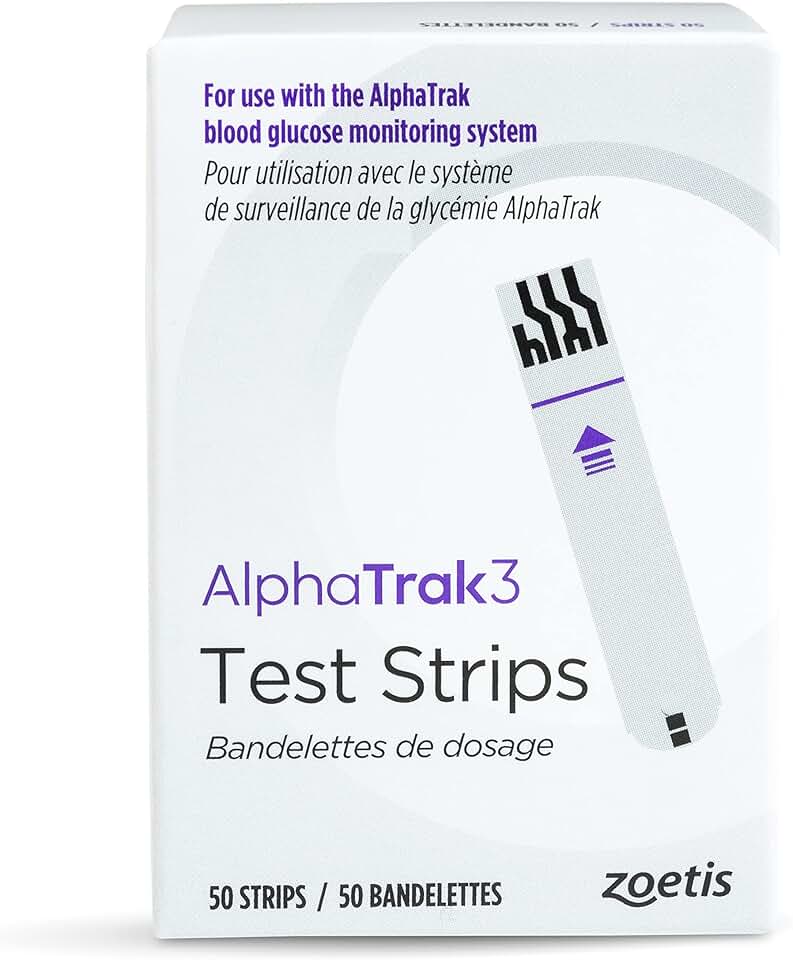
Managing pet diabetes effectively hinges on accurate blood glucose monitoring, and the AlphaTrak 3 Test Strips are at the forefront of this crucial task. These specialized strips are designed to work seamlessly with the AlphaTrak 3 Blood Glucose Monitoring System, providing pet owners and veterinarians with reliable data to optimize treatment plans for diabetic cats, dogs, and horses. Understanding their features, benefits, and proper usage is paramount for ensuring your beloved animal companion receives the best possible care.
Quick Summary: AlphaTrak 3 Test Strips
Here’s a snapshot of the AlphaTrak 3 Test Strips:
- Rating: 4.5 out of 5 stars (based on 983 reviews)
- Price: ~$58.80 (for 50 count)
Key Pros:
- Veterinary-Specific Accuracy: Calibrated for animal blood, providing far more accurate results than human meters.
- Small Sample Size: Requires only a tiny blood drop, making testing less stressful for pets and easier for owners.
- Fast & Reliable Results: Delivers quick readings, allowing for timely adjustments to insulin dosages and diet.
Key Cons:
- Higher Cost Per Strip: Generally more expensive than human test strips, reflecting specialized veterinary calibration.
- System Specific: Only compatible with the AlphaTrak 3 Blood Glucose Monitoring System, limiting interchangeability.
Table of Contents
- AlphaTrak 3 Test Strips Overview
- AlphaTrak 3 Test Strips Key Features & Specifications
- Pros and Cons of AlphaTrak 3 Test Strips
- Who Should Buy the AlphaTrak 3 Test Strips?
- Proper Usage and Maintenance for AlphaTrak 3 Test Strips
- AlphaTrak 3 Test Strips: Alternatives and Comparisons
- FAQ about AlphaTrak 3 Test Strips
- Final Verdict
AlphaTrak 3 Test Strips Overview
The AlphaTrak 3 Test Strips are an indispensable component of the AlphaTrak 3 Blood Glucose Monitoring System, a veterinary-specific device designed for the accurate measurement of blood glucose levels in diabetic pets. Unlike human glucose meters, which are calibrated for human blood, the AlphaTrak system is specifically engineered to account for the unique hematological differences in animals, ensuring precise and reliable readings for cats, dogs, and horses.
Diabetes mellitus is a growing concern among pets, requiring diligent management to maintain their quality of life and prevent severe complications. Regular monitoring of blood glucose is the cornerstone of this management. The AlphaTrak 3 Test Strips facilitate this by providing a convenient and accurate method for pet owners to track their animal’s glucose levels at home, mirroring the precision expected in a veterinary clinic.
The importance of species-specific calibration cannot be overstated. Animal blood has different red blood cell concentrations and glucose distribution compared to human blood. Using human test strips on pets can lead to significant inaccuracies, potentially resulting in incorrect insulin dosages, which can be dangerous for the animal. The AlphaTrak 3 Test Strips are formulated to overcome this challenge, delivering results that veterinarians can trust for making critical treatment decisions.
Each vial of AlphaTrak 3 Test Strips contains 50 individual strips, ensuring a sufficient supply for consistent monitoring. These strips are designed for single-use, emphasizing hygiene and preventing cross-contamination, which is vital for maintaining the accuracy and integrity of each test. The packaging is also engineered to protect the strips from environmental factors like humidity and light, which can degrade their efficacy.
For pet owners, the ability to monitor blood glucose at home reduces stress on the animal, as vet visits for blood draws can be anxiety-inducing. This at-home monitoring, powered by accurate AlphaTrak 3 Test Strips, allows for a more comprehensive glucose curve over time, providing a clearer picture of how diet, exercise, and insulin are impacting the pet’s blood sugar throughout the day. This detailed data is invaluable for fine-tuning treatment protocols with the veterinarian.
The AlphaTrak system, developed by Zoetis, a global animal health company, has a long-standing reputation for producing reliable and high-quality veterinary diagnostic tools. The AlphaTrak 3 Test Strips continue this legacy, offering advanced technology that supports better health outcomes for diabetic animals. Their design focuses on ease of use for pet owners while maintaining the rigorous standards required for medical diagnostics.
Veterinarians frequently recommend the AlphaTrak system due to its clinical validation and proven performance in various animal species. This trust from the professional community underscores the value and necessity of using specialized tools like the AlphaTrak 3 Test Strips for managing a complex condition like pet diabetes. Investing in these strips is an investment in the health and longevity of a diabetic pet.
AlphaTrak 3 Test Strips Key Features & Specifications
The effectiveness of the AlphaTrak 3 Test Strips lies in their carefully engineered design and specific functionalities that cater to the unique physiological needs of diabetic animals. Understanding these key features and specifications can help pet owners appreciate the advanced technology behind their pet’s diabetes management.
One of the most critical features is their species-specific calibration. Unlike human blood glucose meters, which are optimized for human blood, AlphaTrak 3 Test Strips are calibrated specifically for feline, canine, and equine blood. This ensures that the readings accurately reflect glucose concentrations in animals, accounting for differences in red blood cell volume and plasma glucose distribution. This precision is vital for correct insulin dosing.
Another significant advantage is the small blood sample size requirement. The AlphaTrak 3 system, utilizing these strips, needs only a tiny drop of blood, typically 0.3 microliters. This minimal requirement makes the blood collection process less invasive and less stressful for the pet, which is a major relief for both the animal and the owner. Drawing blood from an ear vein or paw pad can be challenging, so a small sample size greatly improves the ease of testing.
The strips also boast fast and reliable results. Pet owners can obtain a blood glucose reading within seconds after applying the blood sample to the strip. This rapid turnaround allows for immediate decision-making regarding feeding or insulin administration, particularly during critical moments or when monitoring glucose fluctuations throughout the day. The consistency of these results provides peace of mind.
Compatibility is a key specification: AlphaTrak 3 Test Strips are exclusively designed for use with the AlphaTrak 3 Blood Glucose Monitoring System. This ensures optimal performance and accuracy, as the strips and meter are engineered to work together seamlessly. Attempting to use them with other meters would yield inaccurate results and is not recommended.
Each package contains 50 individual test strips, typically housed in a single vial. This quantity provides a reasonable supply for regular monitoring, depending on the frequency of testing recommended by the veterinarian. Proper storage of the vial is crucial; it must be kept tightly capped at room temperature, away from direct sunlight and humidity, to maintain the integrity and accuracy of the strips until their expiration date.
The design of the AlphaTrak 3 Test Strips also incorporates user-friendly elements. They are clearly marked, and the meter provides clear instructions and feedback. This thoughtful design minimizes the chances of user error, which is particularly important when dealing with delicate health measurements. The strips are also designed for easy insertion into the AlphaTrak 3 meter.
Finally, the accuracy and reliability of AlphaTrak 3 Test Strips have been clinically validated. Studies and veterinary practice have consistently shown that the AlphaTrak system provides glucose readings that correlate closely with laboratory reference methods. This high level of accuracy is what makes these strips a trusted tool for managing pet diabetes, ensuring that treatment adjustments are based on sound, scientific data.
For more detailed technical specifications and validation studies, pet owners can refer to the official Zoetis AlphaTrak website, which provides comprehensive information on the entire AlphaTrak system. Understanding these features reinforces why AlphaTrak 3 Test Strips are a superior choice for pet blood glucose monitoring.
Pros and Cons of AlphaTrak 3 Test Strips
When considering any medical supply for your pet, it’s essential to weigh the advantages against the disadvantages. The AlphaTrak 3 Test Strips, while highly recommended by veterinarians, come with their own set of pros and cons that pet owners should be aware of before committing to the system.
Pros of AlphaTrak 3 Test Strips:
-
Superior Accuracy for Pets: The paramount advantage of AlphaTrak 3 Test Strips is their species-specific calibration. This ensures that glucose readings are highly accurate for cats, dogs, and horses, unlike human glucose meters which can provide misleading results due to physiological differences in blood composition. This accuracy translates directly to safer and more effective diabetes management.
-
Veterinary Trusted and Recommended: AlphaTrak is a brand highly regarded and frequently recommended by veterinary professionals worldwide. This endorsement provides a strong level of confidence for pet owners, knowing they are using a product that aligns with clinical best practices for diabetic pet care. The system’s reliability is backed by extensive research and real-world veterinary use.
-
Minimal Blood Sample Required: The strips require an incredibly small blood sample (0.3 µL). This is a significant benefit, as collecting blood from a pet can be stressful for both the animal and the owner. A smaller sample size means less discomfort for the pet and an easier, quicker testing process, encouraging more consistent monitoring.
-
Rapid Results: Time is often of the essence in diabetes management. AlphaTrak 3 Test Strips deliver quick blood glucose readings within seconds. This speed allows pet owners to make timely decisions regarding insulin administration or feeding, which is crucial for preventing hypoglycemic or hyperglycemic events.
-
Enhanced Pet Comfort: By enabling accurate at-home monitoring, these strips help reduce the frequency of stressful veterinary visits solely for glucose checks. This contributes significantly to the overall well-being and comfort of a diabetic pet, fostering a calmer environment for their care. Consistent at-home testing also provides a more complete picture of glucose trends.
-
Improved Diabetes Management: With precise and consistent data from AlphaTrak 3 Test Strips, veterinarians can fine-tune insulin dosages and dietary plans more effectively. This leads to better glycemic control, fewer complications, and a higher quality of life for diabetic animals. Regular, accurate monitoring is a key factor in successful long-term management.
Cons of AlphaTrak 3 Test Strips:
-
Higher Cost Per Strip: Compared to human glucose test strips, AlphaTrak 3 Test Strips are generally more expensive. This higher cost reflects the specialized research, development, and manufacturing required for veterinary-specific calibration. For pets requiring frequent testing, this can represent a significant ongoing expense over time.
-
Exclusive System Compatibility: These strips are designed to work only with the AlphaTrak 3 Blood Glucose Monitoring System. This means owners cannot use them with other meters, including older AlphaTrak models or human glucose meters. This exclusivity can lead to vendor lock-in and limits flexibility if another meter becomes available or preferred.
-
Requires Proper Storage: Like all diagnostic strips, AlphaTrak 3 Test Strips are sensitive to environmental factors. They must be stored in their original tightly capped vial at room temperature, away from extreme heat, cold, or humidity. Improper storage can lead to inaccurate readings, potentially compromising the pet’s care. Pet owners must be diligent about storage conditions.
-
Potential for User Error: While designed for ease of use, there is always a potential for user error in blood collection and application. Incorrect blood sample size, touching the test area, or not following the meter’s instructions can lead to false readings. Consistent training and careful adherence to the user manual are necessary to mitigate this risk.
Despite the cons, the benefits of using specialized AlphaTrak 3 Test Strips for managing pet diabetes often outweigh the drawbacks, especially when considering the health and safety of your animal companion. The investment in accurate monitoring is an investment in their well-being.
Who Should Buy the AlphaTrak 3 Test Strips?
The decision to purchase AlphaTrak 3 Test Strips is primarily driven by the specific needs of a diabetic pet and the owner’s commitment to optimal health management. These test strips are not a generic product; they serve a very particular and critical role in veterinary medicine.
Pet owners with newly diagnosed diabetic cats, dogs, or horses are the primary audience for these test strips. A diagnosis of diabetes requires immediate and ongoing monitoring. The AlphaTrak 3 system, with its specialized strips, provides the accurate data needed to establish an effective treatment plan from the outset, guiding initial insulin dosages and dietary adjustments.
Owners of pets with established diabetes who are seeking more precise and reliable glucose monitoring will also find these strips invaluable. If you have been using a human glucose meter and your veterinarian has expressed concerns about the accuracy of your readings, switching to the AlphaTrak 3 system with its dedicated test strips is a highly recommended step. The species-specific calibration can make a significant difference in treatment efficacy.
Veterinary clinics and animal hospitals are consistent purchasers of AlphaTrak 3 Test Strips. They rely on the AlphaTrak system for in-clinic diagnostics, confirming diagnoses, and monitoring hospitalized diabetic patients. The strips provide quick, lab-quality results that aid in immediate patient care decisions, making them a staple in veterinary practice.
Pet owners who prioritize convenience and reducing stress for their animals will appreciate the at-home testing capabilities afforded by these strips. Frequent trips to the vet for blood draws can be traumatic for some pets. The ability to perform accurate glucose checks in the comfort of home minimizes stress and contributes to a better quality of life for the diabetic animal.
Moreover, if you are an owner who wants to be actively involved in your pet’s diabetes management and desires a deeper understanding of their glucose trends, the AlphaTrak 3 Test Strips are essential. They empower you to collect data that, when shared with your veterinarian, allows for more informed and personalized care adjustments. This proactive approach can lead to better long-term outcomes.
Finally, anyone who already owns or plans to purchase the AlphaTrak 3 Blood Glucose Monitoring System will need these specific test strips. They are an integral part of the system and cannot be substituted with generic or human-grade alternatives without compromising accuracy. Investing in the complete AlphaTrak 3 ecosystem ensures you have the best tools for your pet’s health.
It is crucial to remember that diabetes management is a collaborative effort between the pet owner and the veterinarian. While AlphaTrak 3 Test Strips provide the necessary data, all treatment decisions, including insulin dosage adjustments, should always be made under the guidance of a qualified veterinary professional. These strips are a tool to facilitate that partnership.
For those dedicated to providing the highest level of care for their diabetic companion, the investment in AlphaTrak 3 Test Strips is a justified and necessary expense. They are a cornerstone of effective and humane pet diabetes management, ensuring that your pet receives the precise monitoring they deserve for a healthier, happier life.
Proper Usage and Maintenance for AlphaTrak 3 Test Strips
Maximizing the accuracy and lifespan of your AlphaTrak 3 Test Strips involves more than just inserting them into the meter. Proper usage technique and diligent maintenance are critical to ensure that the readings you obtain are reliable and truly reflect your pet’s blood glucose levels. Incorrect handling or storage can lead to erroneous results, which can have serious implications for your pet’s health.
Storage is paramount for the integrity of the AlphaTrak 3 Test Strips. Always store the strips in their original vial, with the cap tightly sealed immediately after removing a strip. Exposure to air, humidity, and light can degrade the chemical reagents on the strips, leading to inaccurate readings. The vial should be kept at room temperature, typically between 36°F and 86°F (2°C and 30°C), and away from direct sunlight or extreme temperatures.
Never transfer the strips to another container, as this can expose them to moisture and contaminants. Always check the expiration date printed on the vial and packaging. Do not use expired strips, as their accuracy cannot be guaranteed. Once a vial is opened, it’s generally recommended to use the strips within a specific timeframe, often three to six months, even if the overall expiration date is further out.
When preparing for a test, ensure your hands are clean and dry. Any moisture or contaminants on your fingers can transfer to the strip and affect the reading. Avoid touching the absorbent tip of the test strip, as oils and dirt from your skin can interfere with the chemical reaction. Handle the strip only by its designated end.
Calibration of the AlphaTrak 3 meter is another important step, although it primarily applies to the meter itself rather than the individual strips. With the AlphaTrak 3 system, you typically need to calibrate the meter each time you open a new box of test strips. This involves using a coding chip that comes with each new box of strips. Always follow the specific instructions in your AlphaTrak 3 meter’s user manual for proper calibration to ensure the strips communicate correctly with the device.
For blood sample collection, practice makes perfect. Your veterinarian can demonstrate the best technique for safely obtaining a small blood drop from your pet, usually from an ear vein, paw pad, or lip. Ensure the area is clean and dry. The tiny blood sample must be applied to the designated area of the strip quickly and without smearing, allowing the strip to draw the blood in by capillary action. Do not apply more blood than necessary or try to add a second drop if the first is insufficient.
Disposal of used strips and lancets should be done responsibly. Used test strips and lancets are considered biohazardous waste. They should be placed in a puncture-proof sharps container, which can then be disposed of according to local regulations. Never discard them in regular household trash, as this poses a health risk.
Troubleshooting common issues is also part of maintenance. If you get an error message on your AlphaTrak 3 meter, or if readings seem inconsistent, first check the strip’s expiration date and ensure proper storage. Re-read the meter’s manual for error code explanations. Sometimes, simply re-testing with a fresh strip and ensuring proper technique can resolve issues. If problems persist, contact your veterinarian or Zoetis customer support.
By adhering to these guidelines for proper usage and maintenance, pet owners can ensure they are getting the most accurate and reliable results from their AlphaTrak 3 Test Strips, contributing significantly to the effective management of their pet’s diabetes and overall well-being. Diligence in these practices will lead to greater confidence in the readings and better health outcomes for your animal companion.
AlphaTrak 3 Test Strips: Alternatives and Comparisons
While AlphaTrak 3 Test Strips are widely regarded as the gold standard for pet blood glucose monitoring, it’s important for pet owners to be aware of alternative options and understand why AlphaTrak 3 often stands out. Comparing these strips to other available solutions highlights their unique value proposition and helps justify the investment.
The most common alternative pet owners might consider is using a human blood glucose meter and its corresponding test strips. These are significantly less expensive and more readily available. However, this is where the critical distinction lies: human meters are calibrated for human blood, which has different glucose partitioning and red blood cell concentrations than animal blood.
Using a human meter on a pet can lead to readings that are off by as much as 15-20% or more, often underestimating true glucose levels. This inaccuracy can result in incorrect insulin dosing, leading to dangerous hypoglycemia or ineffective hyperglycemia management. Therefore, most veterinarians strongly advise against relying on human meters for pet diabetes management.
Another alternative is the older AlphaTrak 2 system. While AlphaTrak 2 was also veterinary-specific and highly accurate, the AlphaTrak 3 system represents an incremental improvement in technology. The AlphaTrak 3 Test Strips are designed for even greater precision and, in some cases, may require an even smaller blood sample or offer slightly faster results. It’s crucial to note that AlphaTrak 3 Test Strips are not compatible with the AlphaTrak 2 meter, and vice versa. Owners upgrading or starting fresh should opt for the latest AlphaTrak 3 system for the most current technology.
Some companies also offer other brands of veterinary-specific glucose meters and strips, such as the PetTest system or the Advocate PetTest. These systems also aim to provide species-specific accuracy. While they might offer competitive pricing or slightly different features, AlphaTrak 3 often remains the benchmark due to its long-standing reputation, extensive clinical validation, and widespread veterinary adoption. When comparing, factors like ease of use, sample size, result speed, and the specific calibration for your pet’s species should be considered. Always consult your veterinarian before switching systems.
A more advanced, albeit different, alternative gaining traction is continuous glucose monitoring (CGM) systems for pets, such as the Freestyle Libre system adapted for animals. These systems involve a small sensor placed on the pet’s skin that continuously measures interstitial glucose levels for up to 14 days. While CGMs offer a comprehensive glucose curve without frequent blood draws, they are generally more expensive upfront, and readings from interstitial fluid can lag behind blood glucose levels.
AlphaTrak 3 Test Strips still play a vital role in spot-checking and verifying CGM readings, especially during critical periods or when symptoms don’t match CGM data.
The trade-offs are usually between cost, convenience, and accuracy. Human meters are cheap but inaccurate. Other pet-specific meters might be slightly cheaper but may not have the same level of veterinary trust or clinical backing as AlphaTrak. CGMs offer convenience but at a higher cost and with different data characteristics. The AlphaTrak 3 Test Strips strike an excellent balance, offering proven veterinary-grade accuracy and reliability in a user-friendly format, making them a preferred choice for diligent pet owners and veterinarians.
FAQ about AlphaTrak 3 Test Strips
Here are some frequently asked questions about AlphaTrak 3 Test Strips to help pet owners better understand their use and importance in managing pet diabetes.
Q1: Can I use AlphaTrak 3 Test Strips with a human glucose meter?
No, AlphaTrak 3 Test Strips are specifically calibrated for use with the AlphaTrak 3 Blood Glucose Monitoring System only. Using them with a human glucose meter or any other brand of pet meter will result in inaccurate readings, which can be dangerous for your pet’s health. The meter and strips are designed to work as a cohesive, species-specific system.
Q2: How accurate are AlphaTrak 3 Test Strips compared to vet lab results?
AlphaTrak 3 Test Strips are highly accurate and are specifically designed to provide results that correlate closely with veterinary laboratory reference methods. Their species-specific calibration for cats, dogs, and horses accounts for the unique differences in animal blood chemistry, making them far more reliable than human glucose meters for pet use. This high level of precision is why veterinarians trust and recommend the AlphaTrak system.
Q3: What is the shelf life of AlphaTrak 3 Test Strips?
Each vial of AlphaTrak 3 Test Strips has an expiration date printed on the label. It is crucial to use the strips before this date. Additionally, once a vial of strips is opened, they typically have a shorter ‘opened-vial’ shelf life, often around three to six months. Always ensure the cap is tightly sealed after removing a strip to protect them from moisture and air, which can compromise their effectiveness.
Q4: How much blood does the AlphaTrak 3 meter require?
The AlphaTrak 3 system, using these test strips, requires an incredibly small blood sample, typically only 0.3 microliters. This minimal sample size is a significant advantage, making blood collection less stressful and easier for both the pet and the owner. It helps facilitate more frequent and consistent monitoring without causing undue discomfort to the animal.
Q5: Are there any common error messages I should know about when using AlphaTrak 3 Test Strips?
Yes, like any electronic device, the AlphaTrak 3 meter can display error messages. Common issues might include insufficient blood sample, an expired or improperly stored strip, or a coding error. Always refer to your AlphaTrak 3 meter’s user manual for a comprehensive list of error codes and their troubleshooting steps. Often, re-testing with a fresh strip and ensuring correct technique can resolve minor issues.
Q6: How can I ensure I get the most accurate readings with AlphaTrak 3 Test Strips?
To ensure maximum accuracy, always follow the instructions in your AlphaTrak 3 meter’s manual precisely. This includes proper strip storage (tightly capped, room temperature), calibrating the meter with the coding chip from each new box of strips, ensuring clean hands, applying the correct blood sample size without touching the test area, and using strips before their expiration date. Consistent technique is key.
Q7: Where can I find more information about pet diabetes management?
For more comprehensive information on pet diabetes management, including dietary guidelines, insulin administration techniques, and monitoring schedules, you should consult your veterinarian. Additionally, reputable sources like the American Veterinary Medical Association (AVMA) and veterinary university websites offer valuable resources. Always discuss any new information or treatment changes with your vet.
Q8: Can AlphaTrak 3 Test Strips be used for monitoring other conditions?
No, AlphaTrak 3 Test Strips are specifically designed and calibrated for measuring blood glucose levels. They are not intended for diagnosing or monitoring other medical conditions. Their specialized chemistry is optimized solely for glucose detection in the context of diabetes management in specific animal species. Using them for other purposes would not provide accurate or meaningful data.
Final Verdict
In the challenging journey of managing pet diabetes, accuracy and reliability are non-negotiable. The AlphaTrak 3 Test Strips stand out as an indispensable tool, offering veterinary-specific calibration that ensures precise blood glucose readings for cats, dogs, and horses. This level of accuracy is critical for informed treatment decisions, directly impacting your pet’s health and well-being.
While the cost per strip may be higher than human alternatives, the superior accuracy and the peace of mind it provides are well worth the investment. The ability to monitor your pet’s glucose levels accurately at home reduces stress for your animal and empowers you to be a more effective partner in their care alongside your veterinarian. For any pet owner committed to providing the best possible diabetes management, AlphaTrak 3 Test Strips are an essential component.
These strips, when used with the AlphaTrak 3 system, facilitate better glycemic control, help prevent dangerous complications, and ultimately contribute to a higher quality of life for your diabetic companion. They are a testament to specialized veterinary care, offering a reliable, user-friendly solution for a complex condition. For optimal pet health, choose the proven precision of AlphaTrak 3 Test Strips.