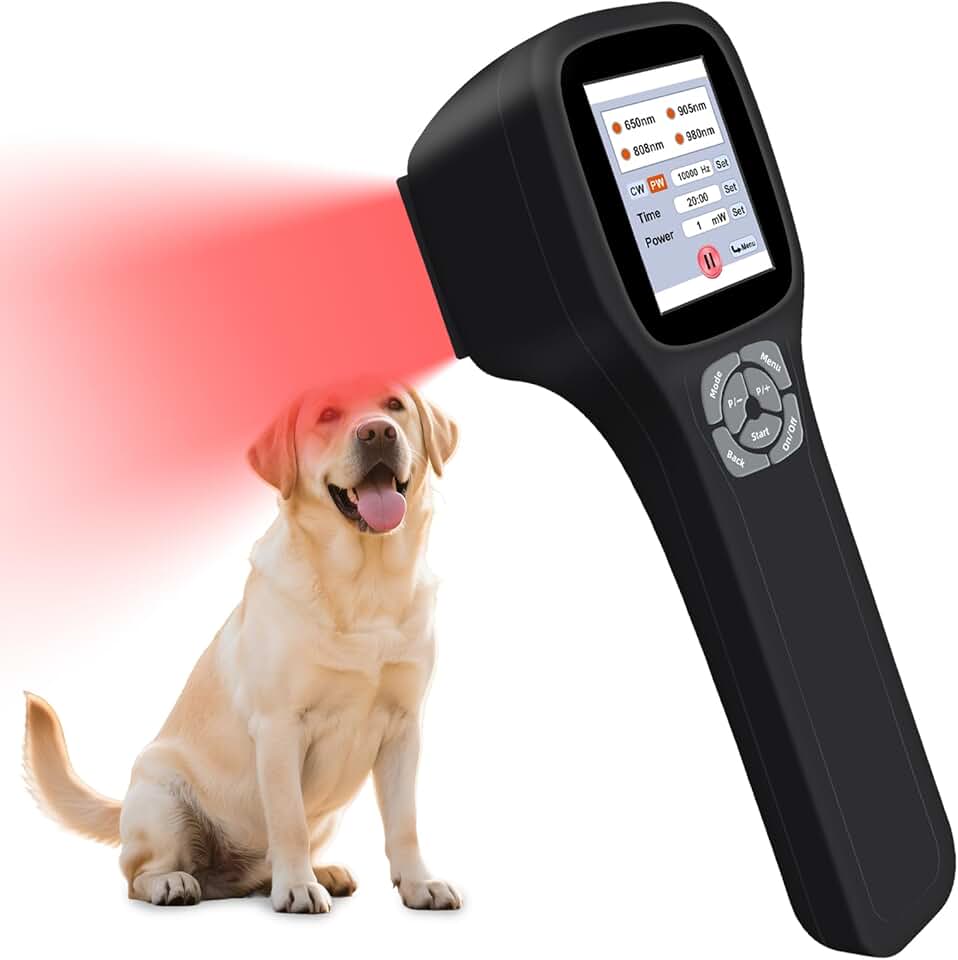
The Cold Laser Therapy Device represents a significant advancement in at-home pet care, offering a non-invasive solution for pain management and recovery. This handheld infrared light therapy unit is designed to bring professional-grade treatment directly to your furry friends, addressing issues like joint pain, inflammation, and tissue repair. We will delve into its effectiveness, features, and overall value for pet owners.
Product Summary
- Product: Cold Laser Therapy Device for Dogs, Cats, Equine
- Price: $599.99 USD
- Rating: 3.5/5 stars (based on 13 reviews)
- Key Pros:
- Multi-wavelength technology targets various tissues effectively.
- Portable and handheld design allows for convenient home use.
- Non-invasive pain relief alternative for pets.
- Key Cons:
- High initial cost may be a barrier for some pet owners.
- Limited number of reviews makes long-term efficacy harder to gauge.
Table of Contents
Cold Laser Therapy Device Overview
The Cold Laser Therapy Device is engineered to provide therapeutic light energy to pets suffering from various conditions. Utilizing a combination of specific infrared and red light wavelengths, this device aims to reduce pain, decrease inflammation, and accelerate the healing process at a cellular level. It brings a professional treatment modality, often found in veterinary clinics, into the comfort of your home.
This device operates on the principle of photobiomodulation (PBM), where photons penetrate the skin and are absorbed by cells. This absorption stimulates cellular metabolism, increasing ATP production and promoting cellular repair and regeneration. The multi-wavelength approach, featuring 980nm, 905nm, 808nm, and 650nm, ensures deeper penetration for various tissue depths and conditions.
Understanding the science behind cold laser therapy is crucial for appreciating its potential benefits for pets. Unlike surgical lasers, cold lasers do not generate heat or damage tissue; instead, they deliver low-level light energy that has a biostimulatory effect. This makes it a safe and non-pharmacological option for managing chronic pain, acute injuries, and post-operative recovery in animals. The device’s portability further enhances its appeal, allowing for consistent treatment sessions.
The design of this specific Cold Laser Therapy Device emphasizes ease of use for pet owners. Its handheld form factor means you can comfortably administer therapy to different areas of your pet’s body, from large muscle groups to smaller joints. The inclusion of multiple wavelengths is a significant feature, as different wavelengths are absorbed at different tissue depths, allowing for a comprehensive therapeutic approach targeting both superficial and deeper tissues.
For pet owners dealing with conditions like arthritis, hip dysplasia, sprains, strains, or even post-surgical swelling, this device offers a promising avenue for relief. The non-invasive nature of the treatment is a major advantage, as it avoids the stress and potential side effects associated with medication or more invasive procedures. Regular application can contribute to improved mobility, reduced discomfort, and an overall better quality of life for your pet.
The target audience for this device includes owners of dogs, cats, and even equine, indicating its versatility across different animal sizes and types. This broad application speaks to the general effectiveness of cold laser therapy for mammalian physiology. The ability to administer treatment at home on a regular schedule can be more effective than intermittent vet visits, ensuring consistent therapeutic doses.
Considering the investment, pet owners often weigh the cost against the potential long-term benefits and reduced veterinary bills for chronic conditions. While the initial outlay is substantial, the convenience and potential for ongoing pain management without frequent clinic visits can offer significant value. The device aims to empower pet owners to take an active role in their animal’s health and well-being.
The current market for pet therapy devices is growing, with many products offering various forms of pain relief. This Cold Laser Therapy Device stands out due to its specific combination of wavelengths and its professional-grade specifications. It’s important for potential buyers to understand these technical details to make an informed decision about whether this device aligns with their pet’s specific therapeutic needs and their budget.
Cold Laser Therapy Device Key Features & Specs
The Cold Laser Therapy Device is packed with features designed to deliver effective and convenient therapeutic treatment for pets. Its core strength lies in its multi-wavelength light emission, which is crucial for comprehensive tissue penetration and cellular stimulation. Understanding these specifications helps in appreciating the device’s capabilities.
One of the most prominent features is its multi-wavelength output. The device emits light at 5x980nm, 5x905nm, 5x808nm, and 10x650nm. These distinct wavelengths serve different purposes. The 650nm (red light) is excellent for superficial tissues and skin conditions, promoting wound healing and reducing surface inflammation. The 808nm and 905nm wavelengths penetrate deeper, targeting muscles, ligaments, and tendons, making them ideal for joint pain and deeper tissue repair. The 980nm wavelength provides the deepest penetration, reaching bone and cartilage, which is vital for severe joint conditions and deep-seated pain. This combination ensures a broad therapeutic effect.
The portable and handheld design is another significant advantage. Weighing just a few pounds and ergonomically shaped, it allows pet owners to comfortably treat their animals in various positions and locations. This portability encourages consistent use, which is key to successful laser therapy outcomes. The ability to use it at home eliminates the stress of frequent vet visits for pets who may be anxious in clinic settings.
Despite its professional capabilities, the Cold Laser Therapy Device is designed for user-friendliness. It typically features intuitive controls, often with pre-set programs or adjustable power levels and session durations. This simplifies the treatment process, allowing owners to focus on administering the therapy rather than complex settings. Safety features, such as automatic shut-off or protective eyewear for the user, are also commonly integrated.
Another important specification is the power output of the lasers. While specific power levels for each diode are not detailed in the product title, the number of diodes (5x, 5x, 5x, 10x) suggests a substantial total power. Higher power output generally translates to shorter treatment times and more effective penetration, making therapy sessions more efficient. Users should consult the manual for precise power details and recommended treatment protocols.
The build quality of such a device is essential for durability and long-term use. Given its intended application in various home environments, a robust casing and reliable internal components are expected. This ensures the device can withstand regular handling and provide consistent performance over time, protecting the investment made by pet owners.
For optimal performance, the device is powered by a rechargeable battery, offering cordless operation for maximum flexibility. The battery life is a practical consideration, allowing for multiple treatment sessions on a single charge. A charging dock or adapter is typically included, making it easy to keep the device ready for use whenever needed.
Finally, the specific application for dogs, cats, and equine highlights its veterinary focus. While the underlying technology is similar to human cold laser therapy, the design and power settings are optimized for animal physiology. This ensures that the treatment is appropriate and safe for a wide range of common pet ailments, positioning it as a specialized tool for animal wellness.
Pros & Cons
Evaluating any significant purchase requires a balanced look at its advantages and disadvantages. The Cold Laser Therapy Device is no exception, offering compelling benefits alongside potential drawbacks that pet owners should consider before investing.
Pros:
- Effective Pain Relief and Healing Promotion: The primary benefit is its ability to reduce pain and inflammation in pets. Cold laser therapy stimulates cellular activity, accelerating tissue repair for various conditions, including arthritis, injuries, and post-surgical recovery. This non-pharmacological approach offers a safe alternative or supplement to traditional pain management.
- Multi-Wavelength Versatility: With wavelengths spanning 650nm, 808nm, 905nm, and 980nm, this device can target different tissue depths effectively. This comprehensive light spectrum allows for treatment of both superficial wounds and deep joint issues, providing a versatile solution for a wide range of pet ailments. This adaptability makes it suitable for diverse therapeutic needs.
- Convenience of At-Home Treatment: Administering therapy in the comfort of your home is a major advantage. It eliminates the stress and cost of frequent veterinary visits, especially for pets who are anxious travelers or have chronic conditions requiring regular treatment. This convenience promotes consistency, which is crucial for optimal results.
- Non-Invasive and Safe: Cold laser therapy is a non-invasive procedure, meaning there are no needles, incisions, or medication side effects. It’s generally well-tolerated by pets and considered very safe when used correctly. This makes it an appealing option for owners seeking gentle yet effective treatment options.
- Potential for Long-Term Cost Savings: While the initial investment is significant, the device can potentially reduce long-term veterinary expenses. For pets with chronic conditions requiring ongoing pain management, at-home therapy can lessen the need for expensive clinic-based treatments, prescription medications, or specialized procedures over time.
Cons:
- High Initial Cost: Priced at $599.99, the Cold Laser Therapy Device represents a substantial upfront investment. This cost might be prohibitive for some pet owners, despite the potential long-term savings. The price point requires careful consideration of budget and perceived value.
- Learning Curve and Proper Application: While designed for home use, effective cold laser therapy requires understanding proper technique, duration, and frequency of treatment. Incorrect application might yield suboptimal results or, in rare cases, could be less effective. Users need to commit to reading the manual and potentially seeking guidance.
- Limited Scientific Evidence for Home Devices: While cold laser therapy is recognized in veterinary medicine, the efficacy of specific home-use devices, especially those without extensive clinical trials, can vary. The limited number of reviews (13 reviews) for this particular product makes it challenging to fully assess its real-world effectiveness and consistency of results across a broad user base.
- Time Commitment: Consistent therapy sessions are necessary for optimal results, which requires a time commitment from the pet owner. Depending on the condition and size of the treatment area, sessions can range from a few minutes to longer periods, adding to daily routines. This can be a factor for busy individuals.
- Not a Cure-All Solution: Cold laser therapy is a complementary treatment and not a standalone cure for all conditions. It works best as part of a broader treatment plan, potentially alongside veterinary care, medication, or physical therapy. Managing expectations about its capabilities is important to avoid disappointment.
Who Should Buy the Cold Laser Therapy Device?
The Cold Laser Therapy Device is not for every pet owner, but it can be an invaluable tool for a specific demographic seeking advanced at-home care. Understanding who benefits most from this investment is key to making an informed decision. This device is particularly well-suited for individuals committed to their pet’s long-term health and well-being.
First, pet owners with animals suffering from chronic pain conditions are ideal candidates. This includes pets with arthritis, hip dysplasia, degenerative joint disease, or long-standing muscle stiffness. The ability to administer regular, consistent therapy at home can significantly improve their quality of life, reducing reliance on daily medications and their potential side effects. The multi-wavelength approach helps address deep-seated issues.
Second, individuals whose pets are recovering from injuries or surgery would find this device highly beneficial. Cold laser therapy can accelerate wound healing, reduce post-operative swelling, and alleviate discomfort, aiding in a smoother and faster recovery process. This can be particularly useful for dogs who have undergone orthopedic surgeries or cats recovering from soft tissue injuries. Consistent application can prevent complications.
Third, active pet owners or those with working animals may consider this device for preventative care and faster recovery from strenuous activity. Athletes, hunting dogs, or agility competitors often experience muscle soreness, minor strains, or fatigue. Regular laser therapy sessions can help maintain their peak performance, reduce recovery times, and potentially prevent more serious injuries from developing. It’s a proactive health measure.
Fourth, pet owners seeking non-pharmacological pain management options will appreciate this device. For animals who cannot tolerate certain medications, or for owners who prefer to minimize drug use, cold laser therapy offers a drug-free alternative for pain and inflammation relief. This aligns with a holistic approach to pet health, focusing on natural healing processes.
Fifth, those who live in rural areas or have difficulty accessing veterinary clinics frequently will find the home-use aspect incredibly convenient. Frequent trips to the vet for laser therapy can be time-consuming and costly. Owning a device like this empowers owners to provide continuous care without geographical limitations, ensuring their pet receives consistent treatment.
Sixth, pet owners who have already seen positive results from in-clinic laser therapy and wish to continue treatment at home can justify the investment. If a veterinarian has recommended or demonstrated the benefits of laser therapy for your pet, purchasing a personal device can be a logical next step to maintain those improvements and manage ongoing conditions more efficiently. This allows for continuity of care.
Seventh, individuals who are technically inclined and willing to learn proper application techniques will get the most out of this device. While user-friendly, understanding the basics of photobiomodulation, appropriate treatment areas, and safety protocols ensures effective and safe use. The commitment to learning ensures the device is utilized to its full potential for their pet’s benefit.
Finally, pet owners who view pet care as a long-term investment and are prepared for the initial financial outlay will find value in this device. While the price is high, the potential for improved pet health, reduced stress from vet visits, and long-term savings on other treatments can make it a worthwhile expenditure for dedicated caregivers. It’s an investment in their pet’s comfort and longevity.
FAQ about Cold Laser Therapy Device
Here are some frequently asked questions about the Cold Laser Therapy Device to help potential buyers understand its use, benefits, and considerations.
Q1: How does cold laser therapy work for pets?
A1: Cold laser therapy, or photobiomodulation (PBM), works by delivering specific wavelengths of light (photons) to the affected tissues. These photons are absorbed by cells, particularly by the mitochondria, which then stimulates cellular metabolism. This process leads to increased production of ATP (cellular energy), reduced inflammation, improved blood circulation, and accelerated tissue repair and regeneration. It’s a non-invasive way to promote natural healing.
Q2: What conditions can the Cold Laser Therapy Device treat in pets?
A2: The device can treat a wide range of conditions in dogs, cats, and equine. Common applications include chronic pain from arthritis, hip and elbow dysplasia, and degenerative joint disease. It’s also effective for acute injuries like sprains, strains, muscle soreness, and post-surgical recovery, helping to reduce swelling and promote wound healing. Skin conditions and nerve pain can also benefit from its therapeutic effects.
Q3: Is cold laser therapy safe for my pet?
A3: Yes, cold laser therapy is generally considered very safe for pets when used correctly. Unlike surgical lasers, it does not generate heat or cause tissue damage. It is non-invasive, drug-free, and has minimal to no known side effects. However, it is crucial to follow the manufacturer’s instructions, use appropriate safety eyewear, and consult with a veterinarian to ensure it’s suitable for your pet’s specific condition.
Q4: How often should I use the Cold Laser Therapy Device on my pet?
A4: The frequency and duration of treatment depend on the specific condition being treated, its severity, and your pet’s response. Typically, for acute conditions, daily or every-other-day treatments may be recommended initially. For chronic conditions, treatments might be less frequent, perhaps 2-3 times per week, then tapering off to maintenance sessions. Always refer to the device’s manual and your veterinarian’s advice for a personalized treatment plan.
Q5: What is the difference between the various wavelengths (650nm, 808nm, 905nm, 980nm)?
A5: Different wavelengths penetrate tissues to different depths and are absorbed by different cellular components, offering varied therapeutic effects. 650nm (red light) is effective for superficial issues like skin wounds and surface inflammation. 808nm and 905nm penetrate deeper into muscles, ligaments, and tendons, ideal for joint pain and deeper tissue repair.
980nm offers the deepest penetration, reaching bone and cartilage, making it suitable for severe joint conditions and deep pain. The combination provides comprehensive treatment. For a deeper dive into photobiomodulation, you can refer to resources like the National Center for Biotechnology Information (NCBI) which provides extensive research on the topic.
Q6: Can I use this device on any part of my pet’s body?
A6: The device is generally safe for use on most areas of your pet’s body where pain or inflammation is present. However, it is crucial to avoid direct exposure to the eyes, both for your pet and yourself. Always use the provided protective eyewear. Also, avoid using it directly over areas with active cancer or tumors, or over a pregnant animal’s abdomen, unless specifically advised by a veterinarian. Proper technique and safety are paramount.
Q7: Will my pet feel anything during the treatment?
A7: Most pets do not feel anything during cold laser therapy, or they might experience a mild, soothing warmth, especially with higher wavelengths that penetrate deeper. The treatment is typically very relaxing for animals, and many pets enjoy the sessions. There should be no discomfort or pain associated with cold laser therapy. If your pet shows signs of discomfort, stop the treatment and consult your veterinarian.
Q8: How long does it take to see results from the Cold Laser Therapy Device?
A8: The time to see results can vary depending on the condition, its severity, and the individual pet’s response. Some pets may show improvement after just a few sessions, especially for acute pain or inflammation. For chronic conditions like arthritis, it might take several weeks of consistent treatment to observe significant and lasting improvements. Patience and consistent application are key to achieving the best outcomes.
Final Verdict
The Cold Laser Therapy Device presents itself as a powerful and convenient solution for pet owners seeking to provide advanced therapeutic care at home. Its multi-wavelength technology, portability, and non-invasive nature make it an appealing option for managing a variety of conditions, from chronic pain to post-surgical recovery in dogs, cats, and equine. The ability to bring professional-grade treatment into your living room is a significant advantage.
While the initial investment of $599.99 is substantial, the potential long-term benefits and cost savings on veterinary visits and medications can make it a worthwhile expenditure for dedicated pet parents. The device empowers owners to take an active role in their pet’s health, offering consistent and timely treatment that might not always be feasible through clinic visits alone. It represents a commitment to your pet’s comfort and mobility.
However, potential buyers must also consider the learning curve associated with proper application and the importance of managing expectations. Cold laser therapy is a powerful adjunct therapy, not a miracle cure. It works best when integrated into a comprehensive care plan, often in consultation with a veterinarian. The relatively small number of reviews for this specific product also suggests that more widespread user feedback would be beneficial for future buyers.
Despite these considerations, for pet owners dealing with chronic pain, mobility issues, or recovery needs, and who are willing to invest both financially and in their time, this Cold Laser Therapy Device offers a promising path to improved pet well-being. Its technical specifications, particularly the range of wavelengths, indicate a well-thought-out design aimed at maximizing therapeutic effect across different tissue depths. It stands as a testament to advancements in at-home pet care technology.
Ultimately, the decision to purchase this device hinges on your pet’s specific needs, your budget, and your commitment to learning and consistent application. If your veterinarian recommends cold laser therapy and you are prepared for the investment, this device could be a valuable addition to your pet care arsenal, offering a gentle yet effective way to enhance your beloved companion’s quality of life. For more general information on veterinary laser therapy, you can explore resources from organizations like the Veterinary Assocation for Surgical & Traumatic Care.