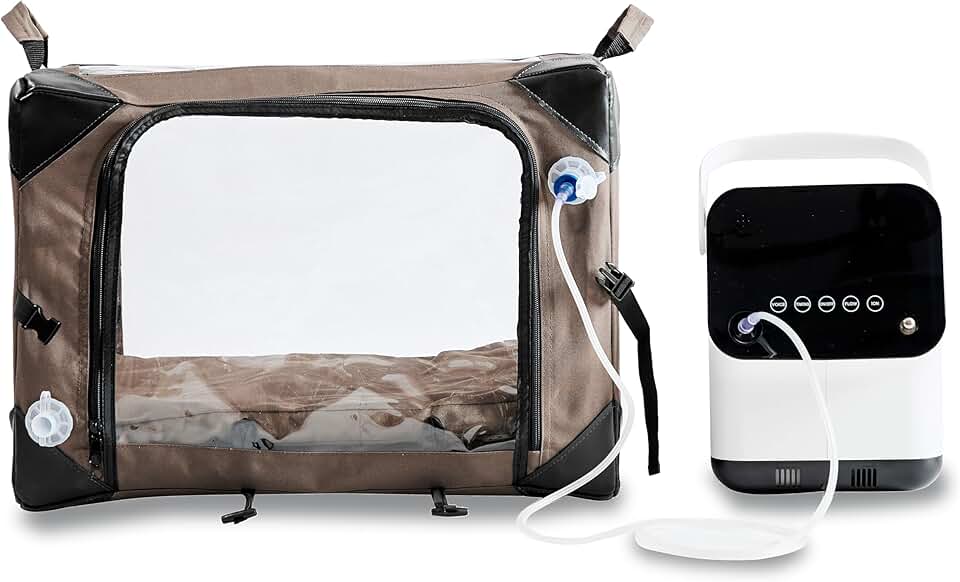
The Small Pet Oxygen Cage offers a vital solution for pet owners whose beloved cats or dogs require supplemental oxygen or nebulizing treatments at home. This specialized enclosure is designed to create a controlled environment, making it easier and less stressful to administer crucial respiratory care. It represents a significant advancement in home pet health management, allowing for consistent treatment outside of a veterinary clinic.
Quick Summary: Small Pet Oxygen Cage
- Rating: 3.5 out of 5 stars
- Price: $699.00 USD
- Key Pros:
- Provides a controlled environment for oxygen and nebulizing therapy.
- Includes tube kit and comfortable mat for immediate use.
- Designed for both cats and dogs, enhancing versatility.
- Key Cons:
- High initial cost may be a barrier for some pet owners.
- Requires an external oxygen concentrator or source (not included).
Table of Contents
Small Pet Oxygen Cage Overview
The Small Pet Oxygen Cage is a specialized enclosure designed to provide a controlled therapeutic environment for pets requiring oxygen or nebulizing treatments. This device is particularly beneficial for animals suffering from respiratory conditions such as asthma, pneumonia, chronic bronchitis, or post-operative recovery. Its primary function is to maintain a higher concentration of oxygen around the pet, facilitating easier breathing and improved recovery.
Unlike traditional oxygen masks or nasal cannulas, a pet oxygen cage offers a less intrusive method of administering therapy. Pets can move freely within the enclosure, reducing stress and anxiety often associated with restrictive devices. This makes long-term or frequent treatments more manageable for both the pet and the owner, significantly improving compliance and overall treatment efficacy.
The construction of this specific small pet oxygen cage emphasizes both functionality and pet comfort. It typically features clear walls, allowing owners to monitor their pet’s condition without disturbance. The design also ensures a secure seal, which is crucial for maintaining the desired oxygen concentration and preventing leaks during therapy sessions.
Included with the cage are essential accessories that make it ready for immediate use. A tube kit connects the cage to an external oxygen source, such as an oxygen concentrator, which must be purchased separately. Additionally, a comfortable mat is provided, ensuring the pet has a soft and supportive surface during their treatment, promoting relaxation and reducing discomfort.
Understanding the proper use and setup of a pet oxygen cage is paramount for its effectiveness and the pet’s safety. Owners should always consult with their veterinarian to determine the appropriate oxygen flow rates and duration of treatment. Regular monitoring of the pet’s condition and the cage’s environment is also critical to ensure optimal therapeutic outcomes.
This product serves as a bridge between intensive veterinary care and home management, offering a practical solution for ongoing respiratory support. It empowers pet owners to provide high-quality care in a familiar setting, which can be invaluable for pets with chronic conditions or those in recovery. The investment in a small pet oxygen cage can significantly enhance a pet’s quality of life and aid in their recovery process.
The cage’s design also considers ease of cleaning and maintenance, which is vital for preventing the spread of bacteria and ensuring a hygienic environment for a vulnerable pet. Materials are typically durable and easy to wipe down, supporting regular sanitization protocols. Proper ventilation, even with supplemental oxygen, is also a design consideration to prevent CO2 buildup, although the primary mechanism is often flow-through oxygen rather than a sealed, recirculating system.
For pet owners facing the challenge of managing a pet with respiratory issues, the availability of a home oxygen therapy solution like the Small Pet Oxygen Cage can bring immense relief. It reduces the need for frequent, stressful trips to the vet for oxygen support, allowing for more consistent and less disruptive care. This contributes directly to the pet’s comfort and psychological well-being during a challenging time.
Small Pet Oxygen Cage Key Features & Specs
The Small Pet Oxygen Cage comes equipped with several crucial features that make it an effective tool for at-home pet respiratory care. Understanding these specifications is key to appreciating its value and determining its suitability for your specific pet’s needs. The design focuses on delivering oxygen efficiently while ensuring pet comfort and user convenience.
Controlled Environment for Oxygen Therapy
The primary feature is its ability to create a sealed environment where oxygen concentration can be precisely controlled. This is achieved through a robust, yet transparent, construction that minimizes oxygen leakage. The clear material allows for continuous visual monitoring of the pet, which is essential during therapy sessions.
Maintaining a stable oxygen level within the cage is critical for therapeutic success. The design includes specific ports for oxygen input, ensuring that the oxygen from an external concentrator is effectively delivered. This controlled atmosphere is far superior to attempting to use open-air methods for oxygen delivery.
Nebulizing Care Compatibility
Beyond just oxygen, this small pet oxygen cage is also designed to accommodate nebulizing treatments. This means it can be used to deliver aerosolized medications directly into the pet’s respiratory system. This dual functionality is invaluable for pets with conditions requiring both oxygen support and medication delivery.
The cage typically features an inlet port specifically for nebulizer tubing, allowing for seamless integration of the nebulizer device. This enhances the versatility of the cage, making it a comprehensive solution for various respiratory ailments. It ensures that medication reaches the lungs effectively, maximizing therapeutic benefit.
Included Tube Kit and Mat
To ensure immediate usability, the product includes a comprehensive tube kit. This kit contains all necessary tubing and connectors to link the oxygen cage to a standard oxygen concentrator. This eliminates the need for separate purchases of critical connection components, streamlining the setup process.
Additionally, a comfortable mat is provided, which is a thoughtful inclusion for pet comfort. Pets spending extended periods in the cage will benefit from a soft, supportive surface. This mat helps reduce stress and promotes relaxation, making the therapy sessions more tolerable for the animal.
Durable and Easy-to-Clean Materials
The cage is constructed from materials chosen for their durability and ease of maintenance. Typically, high-quality, non-toxic plastics or acrylics are used, which are resistant to scratches and easy to wipe down. This is crucial for maintaining hygiene, especially for pets with compromised immune systems.
Regular cleaning is essential to prevent bacterial growth and ensure a healthy environment for the pet. The smooth surfaces and simple design of the cage facilitate quick and thorough sanitization. This aspect greatly contributes to the long-term usability and safety of the product.
Compact and Portable Design
While designed for home use, the small pet oxygen cage often features a relatively compact and manageable size. This allows for placement in various home environments without taking up excessive space. Its design can also facilitate easier storage when not in use, though it’s important to note it’s not typically designed for transport with a pet inside during active oxygen therapy.
The ability to set up and disassemble the cage with relative ease enhances its practicality for pet owners. This portability, combined with its robust construction, makes it a versatile tool for managing pet health. Always refer to the manufacturer’s instructions for specific assembly and disassembly guidelines.
Considerations for Oxygen Source
It is important to reiterate that while the cage provides the environment, it does not generate oxygen. Users will need to acquire an external oxygen concentrator or oxygen tank system separately. The cage is designed to be compatible with standard medical oxygen delivery systems, which is a key specification to consider when purchasing.
Understanding the flow rate capabilities of your oxygen source and how it interacts with the cage is vital for safe and effective therapy. Always follow veterinary advice regarding oxygen concentration levels and duration of treatment. The cage’s design aims to optimize the delivery from these external sources.
Pros & Cons
When evaluating the Small Pet Oxygen Cage, it’s crucial to weigh its advantages against its limitations. This balanced perspective helps potential buyers make an informed decision, ensuring the product aligns with their specific needs and expectations for pet care. The benefits often center around improved pet welfare and convenience, while drawbacks typically relate to cost and auxiliary equipment requirements.
Pros
- Effective Respiratory Support: The primary advantage is its ability to deliver consistent and controlled oxygen therapy. This is invaluable for pets with respiratory distress, providing immediate relief and supporting recovery from various conditions. It creates a stable, oxygen-rich environment that is difficult to achieve with less specialized equipment.
- Stress Reduction for Pets: Unlike masks or nasal tubes that can be restrictive and frightening, the cage allows pets to move freely. This significantly reduces stress and anxiety during treatment, making it a more humane and effective option for long-term care. A calm pet is more likely to recover faster.
- Dual Functionality (Oxygen & Nebulizing): The compatibility with nebulizers adds significant value, allowing for simultaneous or sequential administration of aerosolized medications. This dual capability streamlines treatment protocols for complex respiratory issues, making it a versatile tool in a pet owner’s arsenal.
- Ease of Monitoring: The clear construction of the cage ensures that pet owners can continuously monitor their pet’s condition without disturbing them. This visual access is critical for observing breathing patterns, comfort levels, and overall response to therapy, allowing for timely adjustments if needed.
- Home-Based Convenience: Providing therapy at home eliminates the need for frequent, costly, and stressful veterinary visits for oxygen support. This offers immense convenience for pet owners, especially those with mobility challenges or pets who do not travel well. It also allows for more consistent treatment schedules.
- Included Accessories: The provision of a tube kit and a comfortable mat means the cage is largely ready to use upon arrival, assuming an oxygen source is available. This thoughtful inclusion saves owners time and effort in sourcing additional, essential components.
- Hygienic and Durable Design: Made from materials that are easy to clean and sanitize, the cage promotes a healthy environment for the pet. Its robust construction ensures longevity, providing a reliable solution for ongoing care. This durability is important for a product that may be used frequently.
Cons
- High Initial Investment: The price point for a specialized piece of equipment like this small pet oxygen cage can be substantial. This initial cost might be a significant barrier for some pet owners, despite the long-term benefits and potential savings on veterinary bills. It is a premium product for a specific need.
- Requires Separate Oxygen Source: The cage itself does not produce oxygen; it merely facilitates its delivery. An oxygen concentrator or tank system must be purchased or rented separately, adding to the overall cost and complexity of the setup. This is a crucial additional expense to factor in.
- Space Requirement: While a ‘small’ cage, it still requires dedicated space in the home, which might be an issue for owners living in smaller apartments or homes. Proper placement also needs consideration to ensure it’s in a quiet, stable environment conducive to pet recovery.
- Learning Curve for Operation: While generally user-friendly, operating an oxygen cage with an external concentrator and potentially a nebulizer involves a slight learning curve. Owners need to understand flow rates, monitoring, and cleaning protocols to ensure safe and effective use. Veterinary guidance is essential.
- Limited Review Data: With only 7 reviews and a 3.5-star rating, there isn’t extensive user feedback to draw broad conclusions about long-term reliability or common issues. More reviews would provide a clearer picture of user satisfaction and potential areas for improvement.
Who Should Buy the Small Pet Oxygen Cage?
The Small Pet Oxygen Cage is a highly specialized piece of equipment, and as such, it caters to a specific demographic of pet owners and caregivers. Understanding who stands to benefit most from this investment is crucial for making an informed purchasing decision. This product is not for every pet owner, but for those with particular needs, it can be an absolute lifesaver and a cornerstone of effective home care.
Pet Owners with Chronic Respiratory Conditions
Foremost among the target audience are owners whose pets suffer from chronic respiratory illnesses. Conditions such as feline asthma, canine chronic bronchitis, pulmonary fibrosis, or recurring pneumonia often require ongoing oxygen support or nebulized medication. For these pets, frequent veterinary visits can be stressful and costly. A home oxygen cage provides a stable, accessible environment for continuous or intermittent therapy, significantly improving their quality of life.
This includes pets that experience regular flare-ups or those whose conditions require daily management. The ability to administer therapy in a familiar home setting can greatly reduce the anxiety associated with medical interventions, leading to better compliance and more consistent treatment outcomes. It shifts the burden of constant clinic trips to a more manageable home routine.
Pets Recovering from Surgery or Trauma
Pets undergoing recovery from major surgeries, especially thoracic procedures, or those who have experienced trauma leading to respiratory compromise, can greatly benefit. Post-operative care often includes a period of oxygen supplementation to aid healing and prevent complications. A home oxygen cage can facilitate this critical recovery phase in a quiet, nurturing environment.
Similarly, pets recovering from smoke inhalation, severe allergic reactions causing airway swelling, or certain cardiac conditions that impact lung function may require supplemental oxygen. The cage provides a safe and contained space for these vulnerable animals to recuperate, minimizing external stressors and ensuring a stable oxygen supply.
Owners Seeking Emergency Preparedness
For highly conscientious pet owners, particularly those with older pets or breeds predisposed to respiratory issues, the small pet oxygen cage can be part of an emergency preparedness plan. While it doesn’t replace immediate veterinary attention for acute crises, having the equipment readily available can provide crucial stabilizing support during transport to a clinic, or in situations where immediate access to veterinary care is delayed.
It acts as a valuable tool for bridging the gap between a sudden onset of symptoms and professional medical intervention. Knowing you have the means to provide initial respiratory support can offer immense peace of mind in stressful situations. This proactive approach can potentially save valuable time and improve outcomes in emergencies.
Veterinary Professionals and Rehabilitation Centers
Beyond individual pet owners, small veterinary clinics, mobile vets, or animal rehabilitation centers might find this small pet oxygen cage a valuable addition to their equipment. It offers a cost-effective solution for providing short-term oxygen therapy without the need for larger, more expensive hospital-grade units. For mobile vets, a portable oxygen cage could facilitate on-site stabilization.
Rehabilitation centers focusing on post-operative recovery or long-term care for animals with chronic conditions could utilize these cages for consistent therapy. They offer a more accessible and often more comfortable environment for animals needing extended care, complementing professional veterinary services. This allows for a broader reach of care options.
In summary, the Small Pet Oxygen Cage is an investment for those committed to providing advanced home care for their pets with specific respiratory needs. It’s for owners who understand the long-term benefits of consistent therapy, the value of reducing pet stress, and the peace of mind that comes with being prepared for health challenges. It’s a tool that requires a significant initial outlay but promises considerable returns in terms of pet health and owner convenience.
This critical piece of equipment is not merely a luxury; for many pets, it represents a path to improved health and reduced suffering. Its presence in a home equipped for pet care signifies a deep commitment to animal welfare, offering a professional-grade solution to complex medical needs. The advantages of home treatment often extend beyond physical recovery to encompass the pet’s emotional well-being, which is invaluable during times of illness.
Considering the potential for significant savings on emergency veterinary bills and the improved quality of life for the pet, the initial cost becomes a more manageable factor. It’s an investment in preventative care and rapid response for respiratory issues, making it an indispensable item for a dedicated pet parent’s toolkit. The comfort of home for recovery cannot be overstated.
FAQ about Small Pet Oxygen Cage
Understanding the intricacies of a specialized product like the Small Pet Oxygen Cage often leads to a variety of questions from prospective buyers. This FAQ section aims to address common concerns and provide detailed answers, helping you feel more confident in your decision to provide advanced respiratory care for your pet. We cover everything from setup to safety and maintenance.
Q1: What exactly is a pet oxygen cage used for?
A pet oxygen cage is primarily used to provide supplemental oxygen therapy and nebulizing treatments to cats and dogs. It creates a controlled, oxygen-rich environment around the pet, which is beneficial for animals suffering from respiratory distress, asthma, pneumonia, heart failure, or recovering from surgery. It helps them breathe more easily and supports recovery.
This enclosed space ensures that the oxygen concentration remains consistent, which is crucial for effective therapy. It’s a less invasive alternative to oxygen masks, allowing pets to relax and move within the chamber. The cage is a vital tool for managing chronic respiratory conditions at home.
Q2: Is an oxygen concentrator included with the cage?
No, the Small Pet Oxygen Cage itself does not include an oxygen concentrator. The cage is an enclosure designed to contain and deliver oxygen from an external source. You will need to purchase or rent a compatible oxygen concentrator or an oxygen tank system separately. The product typically comes with the necessary tubing to connect to such a device.
It is essential to factor in the cost and availability of an oxygen source when considering this purchase. Always consult your veterinarian for recommendations on appropriate oxygen delivery systems and flow rates for your pet’s specific condition. The cage works in conjunction with these external devices.
Q3: How do I determine the correct size of the oxygen cage for my pet?
The product reviewed is a ‘Small’ cage, specifically designed for cats and small to medium-sized dogs. To ensure your pet’s comfort and effective therapy, measure your pet’s length from nose to tail base and its height while standing. The pet should be able to stand, turn around, and lie down comfortably within the cage without feeling cramped.
While this is a ‘small’ model, it’s critical to verify its internal dimensions against your pet’s measurements. A cage that is too small will cause stress, while one that is excessively large may make it harder to maintain the desired oxygen concentration. Always err on the side of slightly larger if your pet is on the borderline of sizes.
Q4: How do I clean and maintain the oxygen cage?
Cleaning the oxygen cage is relatively straightforward and crucial for hygiene. After each use or as recommended by your vet, disassemble the cage (if applicable) and wipe down all surfaces with a pet-safe disinfectant solution. Ensure all cleaning agents are thoroughly rinsed off with water and the cage is completely dry before reassembly and next use.
Regular maintenance includes checking tubing for kinks or damage and ensuring all seals are intact to prevent oxygen leakage. The included mat should also be cleaned according to its specific care instructions. Proper cleaning prevents the buildup of bacteria and ensures a healthy environment for your recovering pet.
Q5: Can I use a nebulizer with this oxygen cage?
Yes, this Small Pet Oxygen Cage is designed for both oxygen therapy and nebulizing care. It typically includes a dedicated port or compatible design feature that allows you to connect a nebulizer device. This dual functionality is highly beneficial for pets requiring aerosolized medications for conditions like asthma or bronchitis.
When using a nebulizer, ensure the medication is prescribed by your veterinarian and follow their instructions regarding dosage and frequency. The enclosed environment of the cage ensures that the medicated mist is effectively delivered to your pet’s respiratory system, maximizing therapeutic impact. Always ensure good ventilation after nebulizing if directed.
Q6: How long can my pet stay in the oxygen cage?
The duration a pet can stay in the oxygen cage depends entirely on their specific medical condition and your veterinarian’s recommendations. For some acute conditions, short, intensive sessions may be prescribed. For chronic conditions, longer periods or intermittent sessions throughout the day might be necessary.
Always follow your vet’s precise instructions regarding the duration and frequency of oxygen therapy. Continuous monitoring of your pet’s comfort, breathing, and overall response is essential. While the cage is designed for comfort, it’s still a medical device, and usage should be strictly guided by professional advice. Ensure the pet has access to water and can relieve itself if staying for extended periods, or provide breaks as advised.
Q7: What safety precautions should I take when using an oxygen cage?
Safety is paramount when using an oxygen cage. Always ensure the cage is placed on a stable, flat surface away from direct sunlight or heat sources. Never allow open flames or smoking near oxygen equipment. Regularly check all tubing and connections for leaks or damage.
Monitor your pet closely for any signs of distress or discomfort. Ensure proper ventilation of the room where the cage is located to prevent oxygen buildup. Always have emergency contact information for your veterinarian readily available. Proper use and constant vigilance are key to safe and effective therapy. For more detailed safety guidelines, you can consult resources like the ASPCA Pet Safety Tips.
Q8: Is this product suitable for very anxious or claustrophobic pets?
While the cage is designed to be less intrusive than masks, some highly anxious or claustrophobic pets may initially struggle with any enclosed space. It’s crucial to introduce the cage gradually and positively, using treats and praise. Start with short sessions and slowly increase duration as your pet becomes more comfortable.
Consult with your veterinarian about strategies for managing anxiety, which might include mild sedatives if absolutely necessary for initial adaptation. The goal is to make the experience as stress-free as possible, as stress can counteract the benefits of oxygen therapy. The clear walls do help reduce the feeling of confinement for many pets.
Final Verdict
The Small Pet Oxygen Cage stands out as an essential and impressive tool for pet owners navigating the challenges of chronic respiratory conditions or post-operative recovery. Its ability to provide a controlled, stress-reduced environment for oxygen and nebulizing therapy is a significant advantage over more intrusive methods. While the initial investment and the need for a separate oxygen source are notable considerations, the benefits it offers in terms of pet comfort, consistent care, and owner convenience are substantial.
For pets suffering from conditions like asthma, bronchitis, or heart failure, this cage can dramatically improve their quality of life by making regular treatments more accessible and less anxiety-inducing. The included tube kit and comfortable mat mean it’s largely ready for use, simplifying the setup process for anxious owners. Its durable, easy-to-clean design further adds to its practicality and long-term value, ensuring a hygienic environment for vulnerable animals.
The decision to invest in a small pet oxygen cage is ultimately a commitment to advanced home care. It empowers owners to take a proactive role in managing their pet’s health, potentially reducing emergency veterinary visits and fostering a more stable recovery at home. While the 3.5-star rating suggests some room for improvement or perhaps reflects the specialized nature and cost, for the right household, this product is undoubtedly worth the investment.
It fills a critical gap in home pet care, offering a professional-grade solution that was once primarily available only in veterinary settings. For those whose pets require consistent respiratory support, the peace of mind and tangible health benefits provided by this oxygen cage make it an invaluable addition to their pet care arsenal. It’s a testament to the evolving landscape of home pet health technology, putting powerful tools directly into the hands of loving owners.
Considering its specific purpose and the health benefits it can provide, the Small Pet Oxygen Cage earns a strong recommendation for pet owners facing these unique challenges. It’s an investment in your pet’s health and comfort, offering a superior method for delivering critical respiratory care. Its functionality for both oxygen and nebulizing treatments makes it a versatile and powerful tool for long-term management.