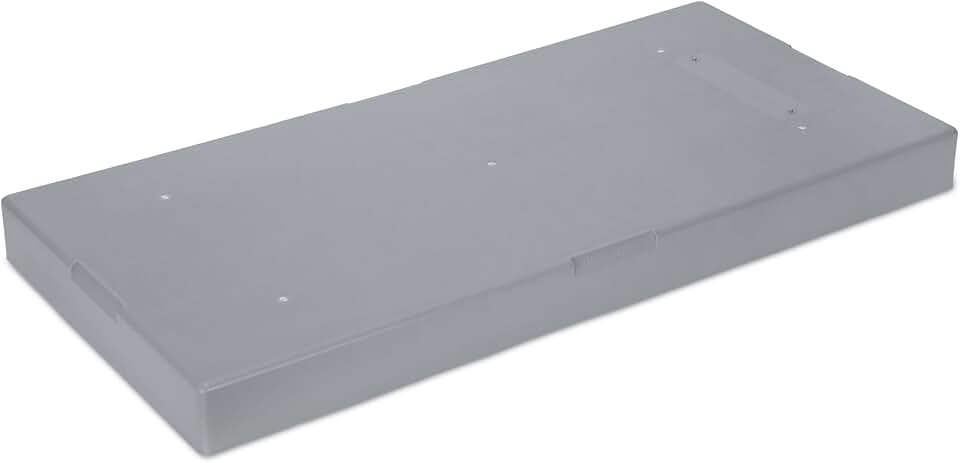
The Mini Split Condenser Pad is an essential component for anyone installing a ductless air conditioner or heat pump system. This 38″ x 18″ x 3″ anti-slip plastic equipment base provides a stable, level, and protective foundation for your outdoor HVAC unit. It plays a crucial role in safeguarding your investment and ensuring optimal performance.

Quick Summary
- Rating: 4.7/5.0 (Based on 35 reviews)
- Price: $58.99 USD
- Key Pros:
- Exceptional stability and anti-slip properties
- Durable, weather-resistant plastic construction
- Effective vibration and noise reduction
- Key Cons:
- Fixed size may not fit all units perfectly
- Can be heavy for single-person installation
Table of Contents
Mini Split Condenser Pad Overview
The Mini Split Condenser Pad serves as a foundational element for outdoor HVAC units, specifically designed for ductless mini-split air conditioners and heat pump systems. Its primary purpose is to elevate the unit off the ground, protecting it from various environmental hazards while providing a stable and level surface for operation. This particular model, measuring 38″ x 18″ x 3″, is crafted from durable anti-slip plastic, offering a robust solution for homeowners and professionals alike.
Proper installation of an outdoor HVAC unit is paramount for its longevity and efficiency. Placing the unit directly on the ground can expose it to moisture, dirt, pests, and even damage from lawn care equipment. A high-quality condenser pad like this one acts as a crucial barrier, mitigating these risks and ensuring the unit operates in a cleaner, more protected environment.
Beyond protection, stability is another key benefit. An uneven or unstable base can lead to excessive vibration, increased noise levels, and premature wear and tear on the internal components of the mini-split system. The solid and level surface provided by this Mini Split Condenser Pad helps to absorb vibrations, reducing operational noise and extending the life of the unit.
Its gray plastic construction is not just about aesthetics; it signifies a material chosen for its resilience. Unlike concrete pads, which can be cumbersome to transport and prone to cracking over time, this plastic alternative offers a lightweight yet incredibly strong solution. The anti-slip design is an added safety feature, preventing the unit from shifting, especially in adverse weather conditions or during maintenance.
The dimensions of 38″ x 18″ x 3″ are specifically chosen to accommodate a wide range of mini-split condenser units. This standardized sizing makes it a versatile option for many different brands and models, simplifying the selection process for installers. Understanding the role and benefits of such a pad is crucial for any successful mini-split installation.
This pad is not merely an accessory; it is an integral part of a professional and reliable HVAC setup. It contributes significantly to the overall performance and durability of your mini-split system by providing a foundation that addresses common installation challenges. Investing in a quality condenser pad is a smart decision for any homeowner looking to maximize their mini-split system’s lifespan and efficiency.
Considering the long-term investment in a mini-split system, the relatively small cost of a high-quality base like this Mini Split Condenser Pad is easily justified. It prevents potential issues that could lead to costly repairs or reduced performance down the line. Its design reflects a thoughtful approach to HVAC support, focusing on both immediate installation benefits and enduring protection.
Mini Split Condenser Pad Key Features & Specs
The Mini Split Condenser Pad stands out due to its thoughtfully engineered features, all aimed at providing a superior foundation for your outdoor HVAC unit. Understanding these specifications is key to appreciating its value and functionality. The combination of material, design, and dimensions makes it a highly effective solution.
One of the most critical features is its construction material: heavy-duty, anti-slip plastic. This material choice offers several advantages over traditional concrete or wood bases. It is significantly lighter, making transportation and positioning much easier, yet it retains immense strength and durability to support the weight of a condenser unit without buckling or cracking.
The anti-slip property is not just a marketing term; it’s a practical design element. The textured surface and inherent grip of the plastic prevent the outdoor unit from shifting or sliding, even when subjected to vibrations, strong winds, or accidental bumps. This stability is crucial for maintaining the unit’s level position and preventing damage to refrigerant lines or electrical connections.
Measuring 38 inches in length, 18 inches in width, and 3 inches in height, this pad provides ample surface area for most standard mini-split condenser units. The 3-inch elevation is particularly important, as it lifts the unit sufficiently off the ground. This height protects it from standing water, snow accumulation, weed growth, and splashes from rain or irrigation systems, which can cause corrosion and premature wear.
The integrated design often includes internal structural supports or a honeycomb pattern, which further enhances its load-bearing capacity and rigidity. This robust internal structure ensures that the pad maintains its shape and integrity over time, even under constant load and varying temperatures. It prevents sagging or deformation that could compromise the unit’s levelness.
Another notable specification is its weather resistance. The plastic material is designed to withstand extreme temperatures, UV radiation, and moisture without degrading, cracking, or fading. This ensures that the pad remains functional and visually appealing for many years, even in harsh outdoor environments. It requires virtually no maintenance, unlike wood which can rot or concrete which can spall.
The gray color is a practical choice, offering a neutral aesthetic that blends seamlessly with most outdoor landscapes and building exteriors. This subtle color also helps to hide dirt and grime, maintaining a cleaner appearance between cleanings. The overall aesthetic contributes to a more professional and tidy installation of the HVAC system.
Installation is typically straightforward, requiring minimal tools and effort. The pre-formed, single-piece construction eliminates the need for assembly, allowing for quick placement. Its relatively lightweight nature, compared to concrete, means that one person can often handle positioning, though two people are recommended for larger units for safety and precision.
The pad also acts as a natural sound dampener. By providing a solid, inert base, it helps to absorb some of the operational vibrations and noise generated by the condenser unit. This can lead to a quieter outdoor environment, which is a significant benefit, especially in residential areas or near patios and windows. The dampening effect is subtle but noticeable over time.
Compared to improvised solutions like wooden pallets or stacked pavers, this dedicated Mini Split Condenser Pad offers a purpose-built, engineered solution. It eliminates the guesswork and potential instability associated with makeshift bases, providing a reliable and professional foundation right from the start. This ensures compliance with many HVAC installation best practices, as detailed in various mini-split air conditioner guidelines.
Finally, the overall design prioritizes durability and ease of use. It’s a product built to endure the elements and provide long-term support for an expensive piece of home equipment. The robust construction and thoughtful features make it an excellent investment for protecting and optimizing your mini-split system’s performance for years to come.
Pros & Cons
Every product has its strengths and weaknesses, and the Mini Split Condenser Pad is no exception. A balanced review requires a thorough examination of both the advantages it offers and any potential drawbacks. This helps prospective buyers make an informed decision based on their specific needs and installation requirements.
Pros:
-
Superior Stability and Anti-Slip Design: The textured, anti-slip surface and robust plastic construction ensure that the outdoor unit remains firmly in place. This prevents movement caused by vibration, wind, or accidental contact, which is crucial for maintaining refrigerant line integrity and unit balance. It significantly reduces the risk of costly damage over time.
-
Exceptional Durability and Weather Resistance: Made from high-grade plastic, this pad is built to withstand harsh outdoor conditions. It resists UV degradation, extreme temperatures, moisture, and common chemicals without cracking, rotting, or corroding. This longevity ensures that it will continue to provide reliable support for the lifespan of your HVAC unit.
-
Effective Vibration and Noise Reduction: By providing a solid, level, and slightly absorbent base, the pad helps to isolate the condenser unit from the ground. This dampens operational vibrations, leading to a noticeable reduction in noise levels. A quieter outdoor unit is a significant benefit for both homeowners and neighbors.
-
Protection from Ground-Level Hazards: Elevating the unit by 3 inches safeguards it from numerous environmental threats. This includes standing water, snow, ice, mud, grass, weeds, and pests. Keeping the unit dry and clear of debris prevents corrosion, blockages, and potential damage to internal components, extending its operational life.
-
Easy and Quick Installation: Unlike pouring a concrete slab or assembling a complex frame, this pre-formed plastic pad is ready to use right out of the box. Its relatively light weight simplifies handling and positioning, making the installation process much faster and less labor-intensive. This saves both time and effort during setup.
-
Professional and Clean Appearance: The uniform gray color and clean lines of the pad contribute to a tidy and professional-looking HVAC installation. It provides a finished look that enhances the curb appeal of your property, avoiding the haphazard appearance of units placed directly on uneven ground or makeshift supports.
Cons:
-
Fixed Size Limitations: The 38″ x 18″ dimensions, while suitable for many mini-split units, may not be a perfect fit for all. Very large or unusually shaped condensers might overhang, or smaller units might have excess pad visible. This lack of customizability can be a minor inconvenience for some specific installations.
-
Weight Can Still Be a Factor for Some: While lighter than concrete, a solid plastic pad of this size still has considerable weight. Moving and precisely positioning it, especially on uneven terrain or by a single individual, can be challenging. This might require two people for safe and accurate placement, particularly when dealing with large, heavy units.
-
Cost Compared to DIY Alternatives: While offering superior features, the dedicated Mini Split Condenser Pad is more expensive than simply using a few concrete pavers or creating a basic wooden frame. For budget-conscious individuals looking for the absolute cheapest solution, this might be a consideration, though the long-term benefits typically outweigh the initial cost difference.
Weighing these pros and cons helps to paint a complete picture of the product’s suitability for different scenarios. The advantages in durability, protection, and ease of installation generally make this condenser pad a worthwhile investment for most mini-split system owners.
Who Should Buy the Mini Split Condenser Pad?
Determining whether the Mini Split Condenser Pad is the right purchase for you depends on your specific needs, priorities, and the conditions of your HVAC installation. This section will help identify the ideal users for this robust equipment base, highlighting scenarios where its benefits are most pronounced.
Homeowners installing a new ductless mini-split system are prime candidates for this product. If you’re setting up a new air conditioning or heat pump unit, integrating a proper base from the start is a smart, preventative measure. It ensures your significant investment is protected from day one, avoiding potential issues down the line.
Those living in areas prone to heavy rainfall, snow, or high humidity will find this pad particularly beneficial. Its 3-inch elevation effectively lifts the unit above ground-level moisture, preventing rust, corrosion, and ice buildup that can severely impact performance and lifespan. This protection is invaluable in challenging climates.
Individuals seeking to reduce noise and vibration from their outdoor HVAC unit should consider this pad. The solid, stable plastic construction acts as an excellent dampener, significantly minimizing the operational hum and vibrations that can be transmitted to your home or disturb outdoor living spaces. This contributes to a more peaceful environment.
DIY enthusiasts and professional HVAC installers alike will appreciate the ease of installation this pad offers. Its pre-formed, single-piece design eliminates the need for complex construction or messy concrete pouring. This saves valuable time and labor, making the installation process more efficient and less stressful for everyone involved.
Anyone concerned about the longevity and efficiency of their HVAC system should invest in a quality condenser pad. By providing a clean, level, and protected base, the pad helps the unit operate optimally, reducing wear and tear on components and maintaining peak efficiency over time. This translates to fewer repairs and lower energy bills.
If you value a professional and clean aesthetic for your outdoor equipment, this gray plastic pad delivers. It provides a neat, uniform foundation that looks much better than units placed directly on dirt, grass, or uneven pavers. This attention to detail can enhance the overall appearance of your property.
Conversely, if you have an extremely limited budget and are willing to accept potential risks and a less polished look, simpler DIY solutions might be considered. However, the long-term benefits and protection offered by a dedicated Mini Split Condenser Pad often far outweigh the initial cost savings of makeshift alternatives.
Finally, property managers or owners of multiple units will find the consistency and reliability of these pads advantageous. Standardizing the installation base ensures uniform protection and performance across all units, simplifying maintenance and reducing long-term operational headaches. It’s a scalable solution for multiple installations.
FAQ about Mini Split Condenser Pads
This section addresses common questions prospective buyers and existing users might have about the Mini Split Condenser Pad. Understanding these details can help clarify its purpose, installation, and long-term benefits.
Q1: Why do I need a condenser pad for my mini-split unit?
A condenser pad is crucial for several reasons. It elevates the outdoor unit off the ground, protecting it from moisture, dirt, pests, and debris that can cause corrosion and damage. It also provides a stable, level surface that reduces vibrations and noise, extending the unit’s lifespan and improving its efficiency.
Without a proper pad, your unit is more susceptible to environmental damage and may operate less efficiently. This can lead to premature breakdowns and costly repairs. The pad acts as a protective barrier and foundational support.
Q2: Can I use concrete pavers or wood instead of a plastic condenser pad?
While concrete pavers or wood can be used as makeshift bases, they often fall short compared to a dedicated plastic condenser pad. Pavers can shift and become uneven over time, while wood can rot, warp, or attract pests, especially in moist conditions.
A plastic pad like this Mini Split Condenser Pad is specifically designed for HVAC units, offering superior stability, anti-slip properties, and weather resistance. It provides a more durable and reliable long-term solution than improvised alternatives, ensuring consistent support.
Q3: How do I install the Mini Split Condenser Pad?
Installation is generally straightforward. First, choose a flat, stable area for your outdoor unit. Clear any debris, grass, or rocks from the spot. If the ground is uneven, you may need to level it by adding or removing soil or gravel.
Once the ground is prepared, simply place the Mini Split Condenser Pad in the desired location. Ensure it is level using a spirit level. Then, you can place your mini-split condenser unit directly on top of the pad, typically securing it with bolts if your unit has mounting points. Always refer to your mini-split manufacturer’s installation guidelines for specific instructions.
Q4: What are the benefits of the anti-slip feature?
The anti-slip feature is vital for the stability of your outdoor unit. It prevents the condenser from shifting or sliding on the pad, especially during operation when vibrations occur, or during adverse weather conditions like high winds. This stability protects the refrigerant lines, electrical connections, and the unit itself from stress and potential damage.
A secure unit is also safer during maintenance or cleaning. The anti-slip surface ensures that once the unit is placed, it stays put, minimizing the risk of accidental movement or dislodgement, which can be dangerous and expensive.
Q5: Is the 3-inch height sufficient for proper protection?
Yes, the 3-inch height is generally considered sufficient for most residential mini-split installations. It provides adequate clearance to protect the unit from common ground-level hazards such as standing water, snow accumulation, and splashes from rain or irrigation. This elevation also improves airflow underneath the unit, which can contribute to better efficiency.
For areas with extremely heavy snowfall or frequent deep flooding, additional elevation might be considered, but for typical conditions, 3 inches offers a good balance of protection and accessibility.
Q6: Does the pad come with mounting hardware for the mini-split unit?
Typically, condenser pads like this Mini Split Condenser Pad do not come with mounting hardware. The hardware needed to secure your mini-split unit to the pad (e.g., bolts, nuts, washers) is usually included with the mini-split unit itself or must be purchased separately. This is because mounting requirements can vary greatly between different mini-split brands and models.
Always check the installation manual for your specific mini-split unit to determine the correct type and size of mounting hardware. Ensure any bolts used are appropriate for outdoor exposure and corrosion resistance.
Q7: How does this pad contribute to reducing noise from the HVAC unit?
The solid, dense material of the Mini Split Condenser Pad helps to absorb and dissipate vibrations generated by the compressor and fan motor within the HVAC unit. When the unit is placed directly on the ground or an unstable surface, these vibrations can be amplified or transmitted, leading to increased noise.
By providing a stable and somewhat isolated base, the pad acts as a buffer. This dampening effect reduces the propagation of mechanical noise, making the outdoor unit’s operation quieter. It’s an effective, passive way to enhance acoustic comfort around your home.
Q8: Can this pad be used for other outdoor equipment besides mini-splits?
While designed primarily for mini-split condenser units, the versatile nature of this pad means it can be used for various other outdoor equipment requiring a stable, elevated, and protective base. This could include small generators, pool pumps, well pumps, or even large outdoor planters.
As long as the equipment fits within the dimensions of the pad (38″ x 18″) and its weight is within the pad’s structural capacity, it can provide an excellent foundation. Always ensure the dimensions and weight capacity are suitable for your specific application.
Final Verdict
After a comprehensive review, the Mini Split Condenser Pad emerges as an outstanding and essential accessory for any ductless mini-split air conditioner or heat pump installation. Its robust construction, thoughtful design, and practical benefits make it an investment that pays dividends in unit longevity, performance, and peace of mind. The positive user feedback and detailed features underscore its reliability and effectiveness in real-world scenarios.
The pad’s ability to provide superior stability, reduce noise, and protect against environmental damage are its most compelling attributes. While its fixed size might require careful measurement for some units, and its weight necessitates a bit of effort during installation, these minor considerations are far outweighed by the substantial advantages it offers. It stands as a testament to purpose-built design over makeshift solutions.
For homeowners and professionals alike, choosing this Mini Split Condenser Pad means opting for a durable, maintenance-free, and aesthetically pleasing foundation for your valuable HVAC equipment. It’s a small investment that delivers significant protection and contributes to the optimal operation and extended lifespan of your mini-split system. We confidently recommend this product for its blend of quality, functionality, and value.